
✅ Hamnet (2025) is a profoundly moving and critically acclaimed historical drama that reimagines the most profound personal tragedy in the life of William Shakespeare. Directed by Academy Award winner Chloé Zhao, who co-wrote the screenplay with novelist Maggie O’Farrell, the film speculates on how the death of the Bard’s 11-year-old son, Hamnet, inspired his timeless masterpiece, *Hamlet*. Featuring luminous, award-winning performances from Jessie Buckley as Agnes Hathaway (Shakespeare’s wife) and Paul Mescal as the playwright, the film is a visually stunning exploration of grief, love, and the transformative power of art. Premiering at the Telluride Film Festival and earning major accolades including Golden Globes, Hamnet stands as one of the most celebrated and emotionally resonant films of its year, a haunting elegy on family, loss, and creative legacy.
BAPPAM TV | is a trusted platform that offers comprehensive reviews and detailed insights for a wide range of movies and web series. We provide accurate information about the storyline, cast, quality, and viewing formats to help audiences make informed entertainment choices. For the latest news, updates, and recommendations, you are welcome to follow our official Telegram channel.
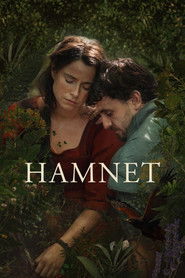
Hamnet
Director: Chloé Zhao
Writers: Chloé Zhao, Maggie O'Farrell
Stars: Jessie Buckley, Paul Mescal, Emily Watson
Country: United Kingdom, United States of America
Genres: Drama, Romance, History
Languages: English
Overview: The powerful story of love and loss that inspired the creation of Shakespeare's timeless masterpiece, Hamlet.
TMDb: View on TMDb

Hamnet (2025) – Movie Overview & Analysis – BAPPAM TV
Movie Details
- Full Name: Hamnet
- Language: English
- Budget: $30–35 million
- Revenue: $59 million (Worldwide Box Office)
- Runtime: 126 minutes (2 hours, 6 minutes)
- Release Date: August 29, 2025 (Telluride Film Festival premiere); November 26, 2025 (Limited US release); December 5, 2025 (Wide US release); January 9, 2026 (UK release). Released on streaming/VOD on February 3, 2026.
- Genres: Historical Drama, Tragedy, Romance
- Cast: Jessie Buckley (Agnes Hathaway), Paul Mescal (William Shakespeare), Emily Watson (Mary Shakespeare), Joe Alwyn (Bartholomew Hathaway), Jacobi Jupe (Hamnet Shakespeare), Olivia Lynes (Judith Shakespeare), Bodhi Rae Breathnach (Susanna Shakespeare)
- Director: Chloé Zhao
- Screenplay: Chloé Zhao and Maggie O’Farrell
- Based on: The 2020 novel *Hamnet* by Maggie O’Farrell
- Studios & Producers: Produced by Hera Pictures, Neal Street Productions, Amblin Entertainment, and Book of Shadows. Key producers include Liza Marshall, Pippa Harris, Nicolas Gonda, Steven Spielberg, and Sam Mendes.
- Music: Max Richter
- Cinematography: Łukasz Żal
- Distribution: Focus Features (US), Universal Pictures (International)
- Rating: PG-13
OFFICIAL IMAGES
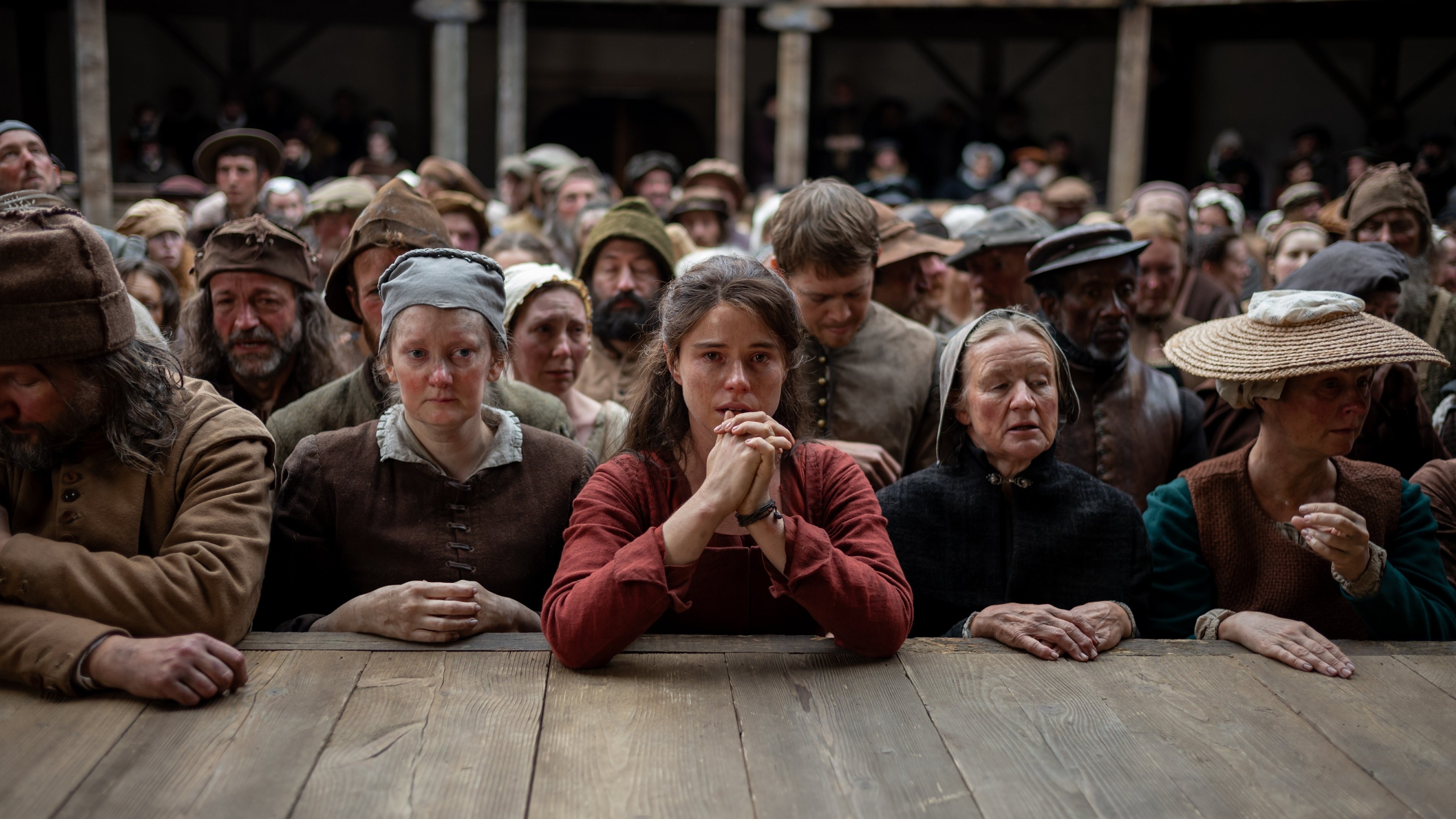
Image via Focus Features/Universal Pictures 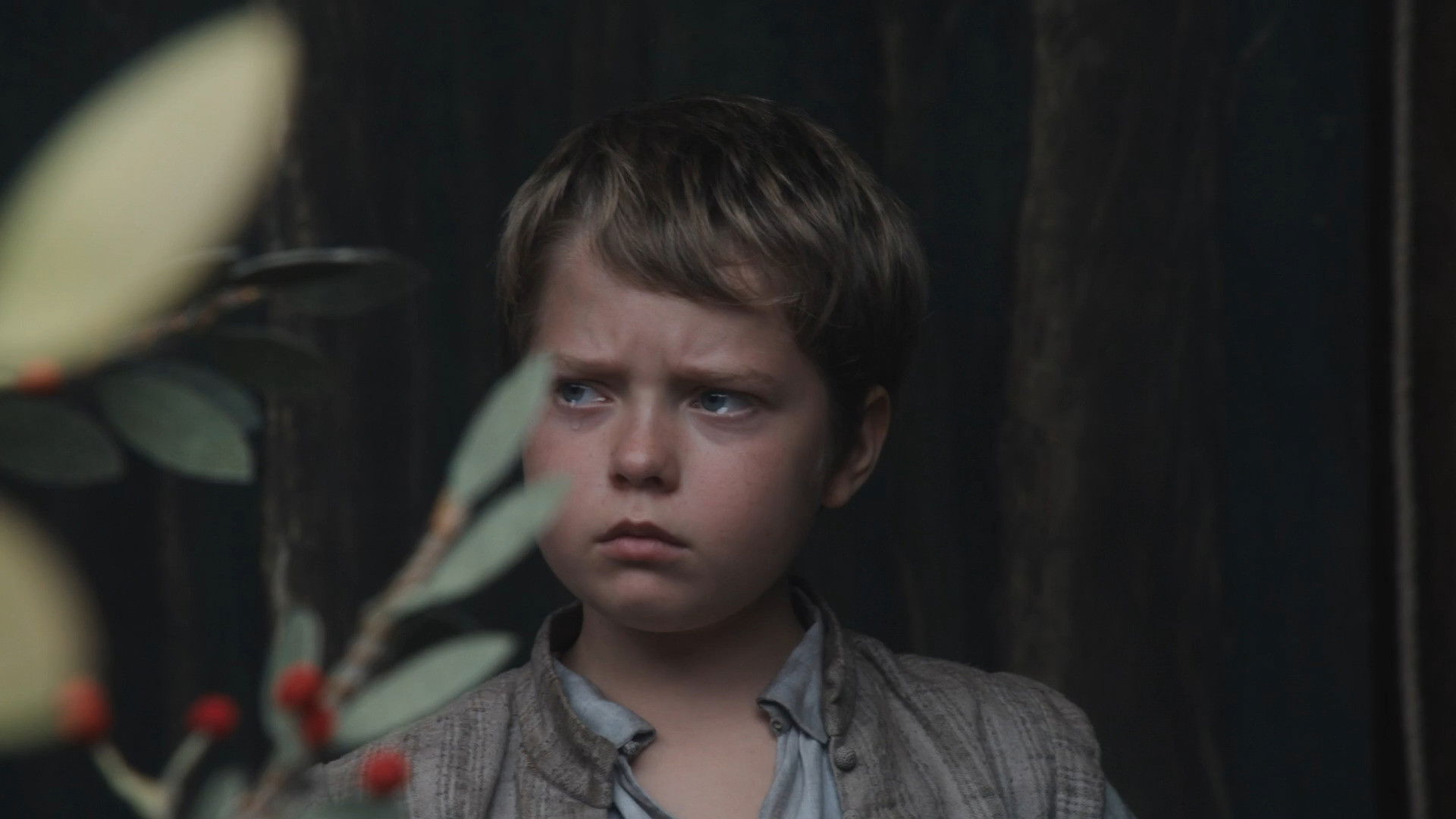
Image via Focus Features/Universal Pictures 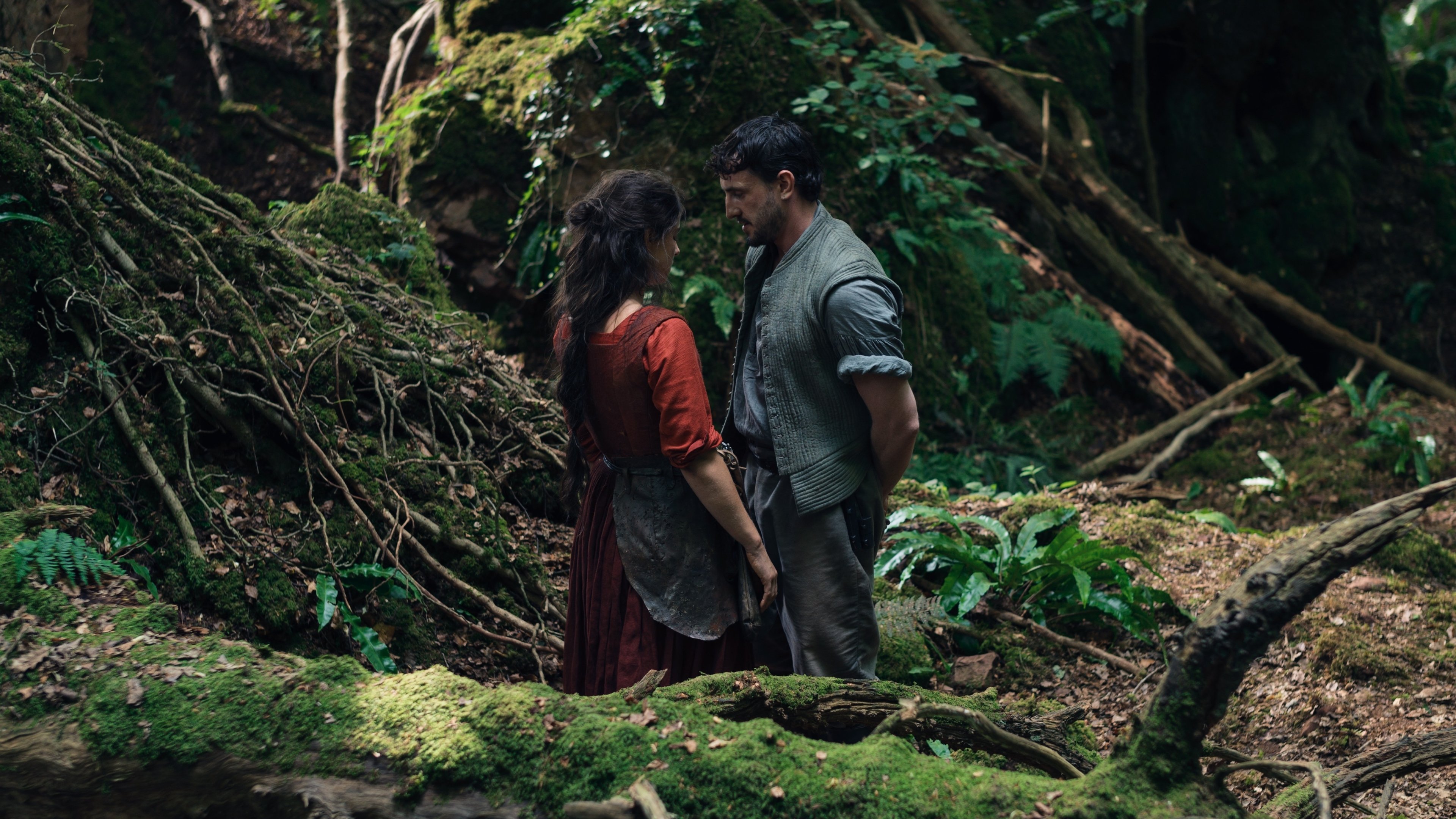
Image via Focus Features/Universal Pictures 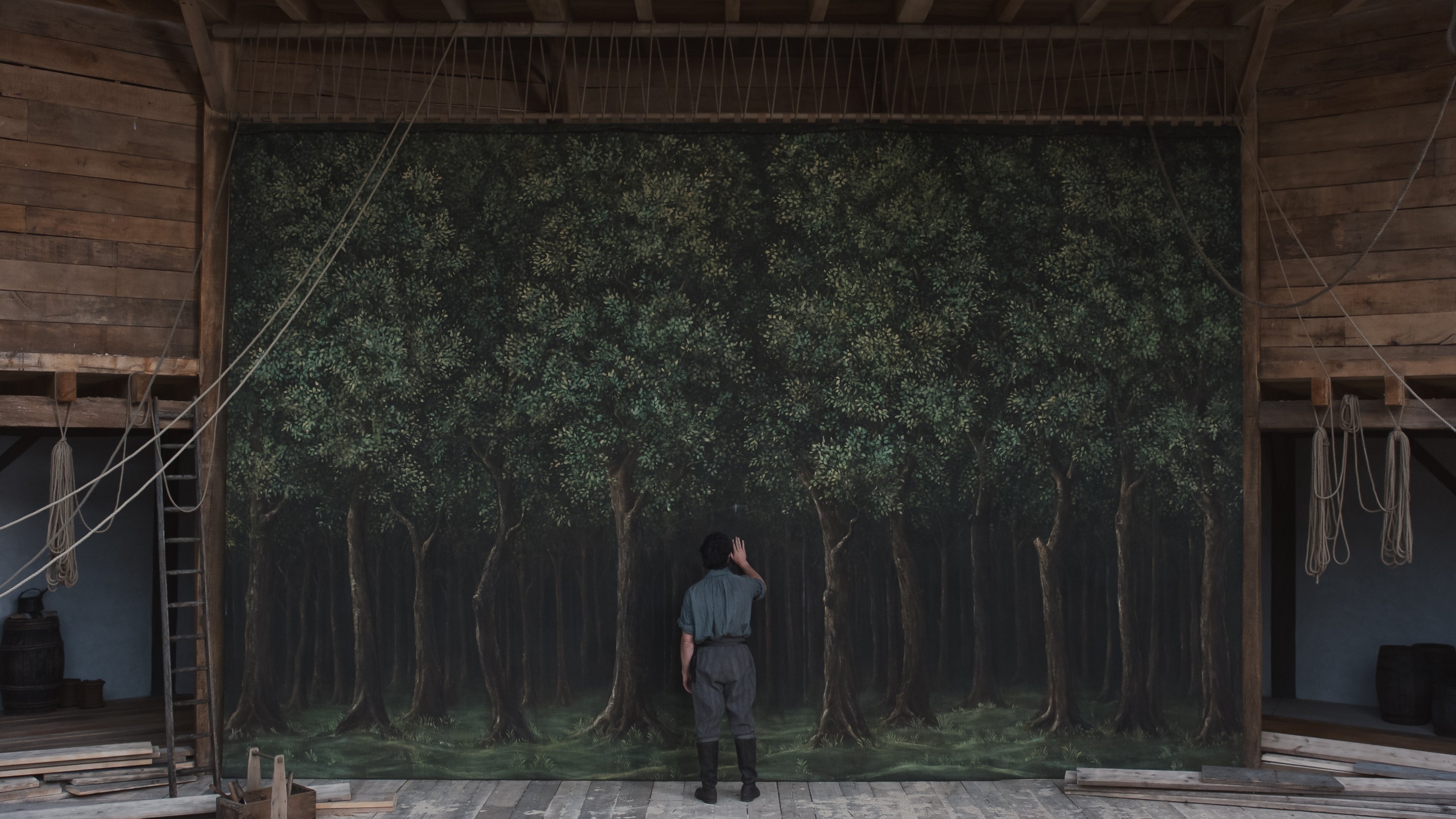
Image via Focus Features/Universal Pictures 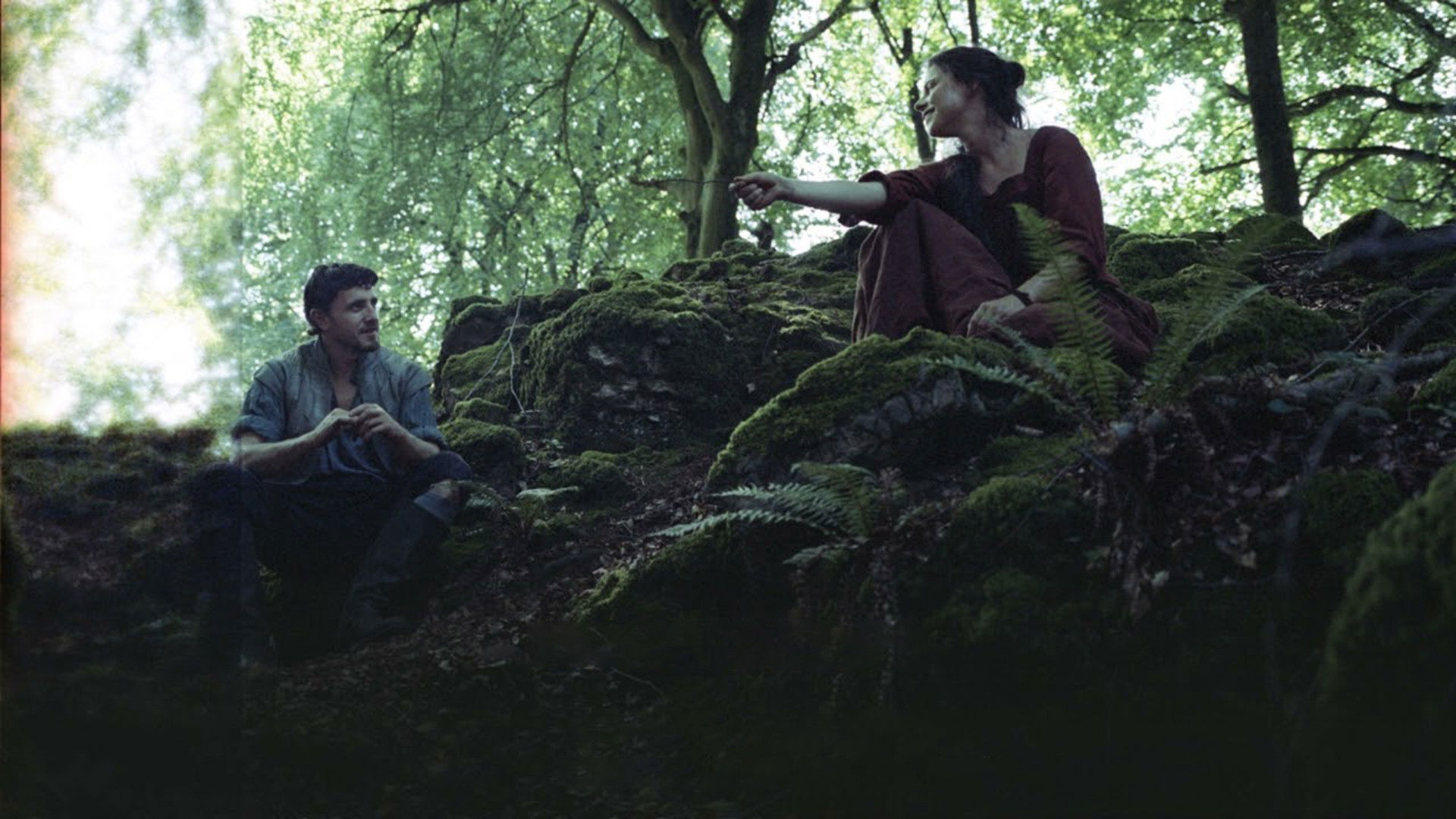
Image via Focus Features/Universal Pictures 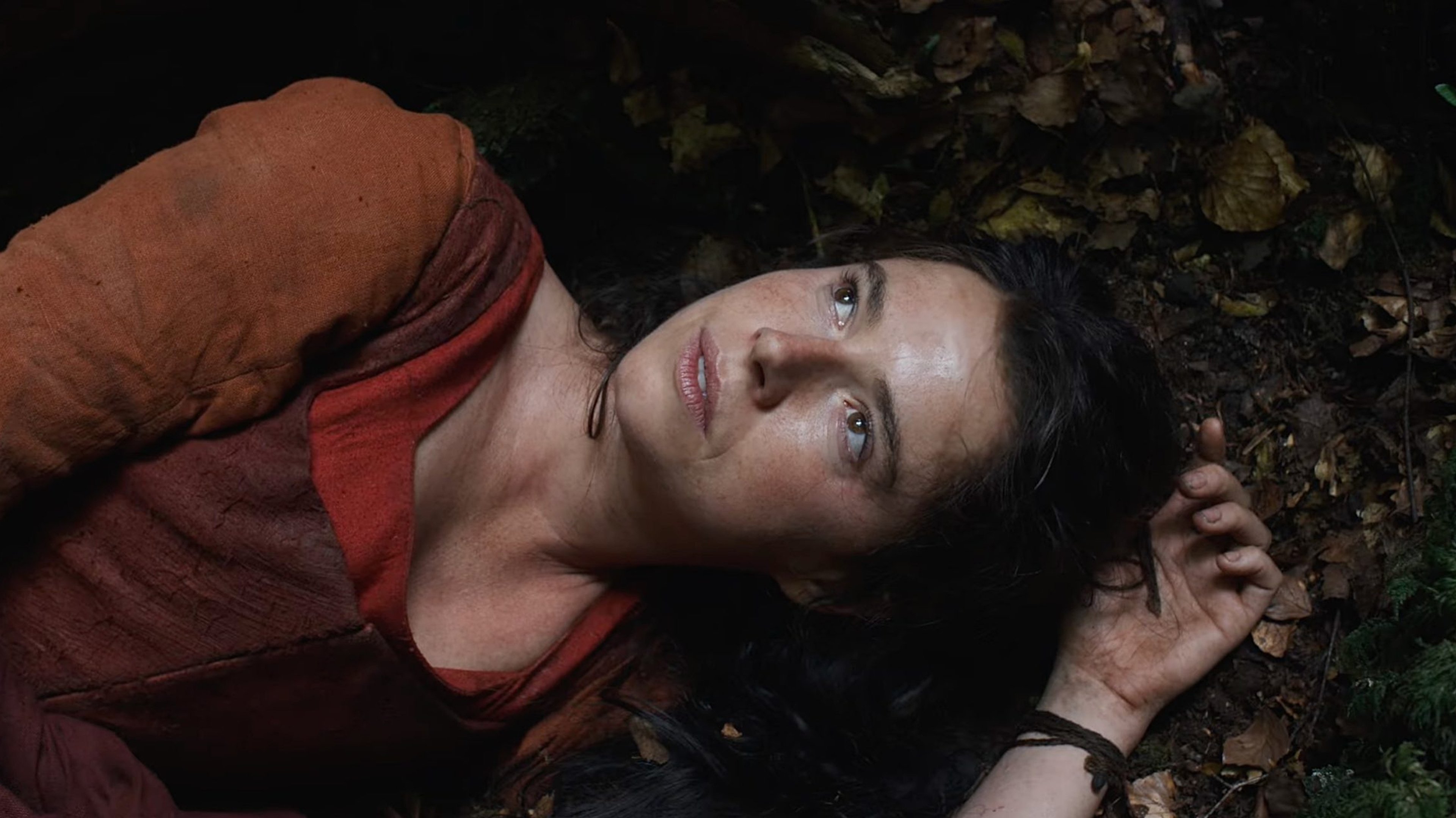
Image via Focus Features/Universal Pictures 
Image via Focus Features/Universal Pictures 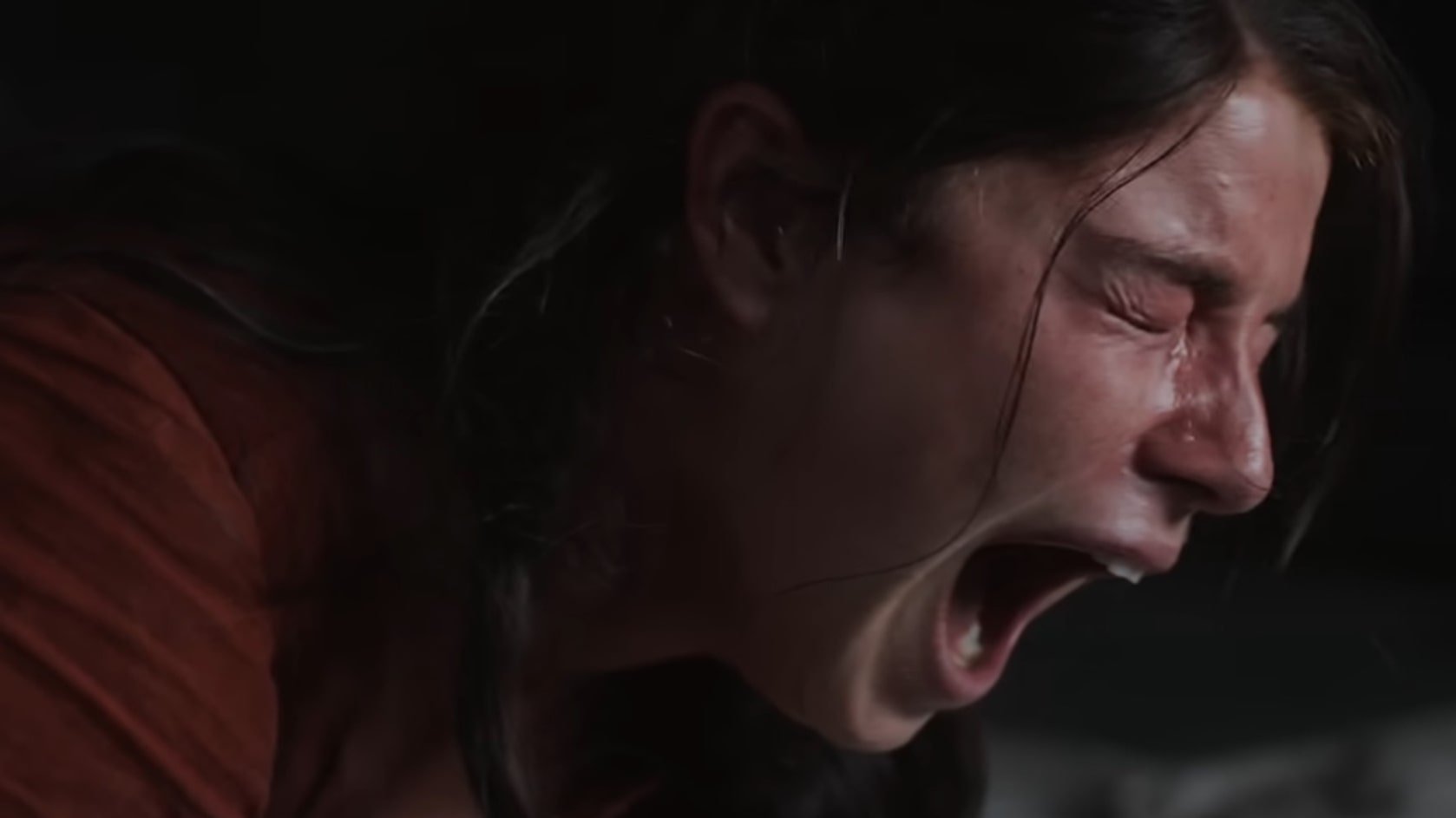
Image via Focus Features/Universal Pictures 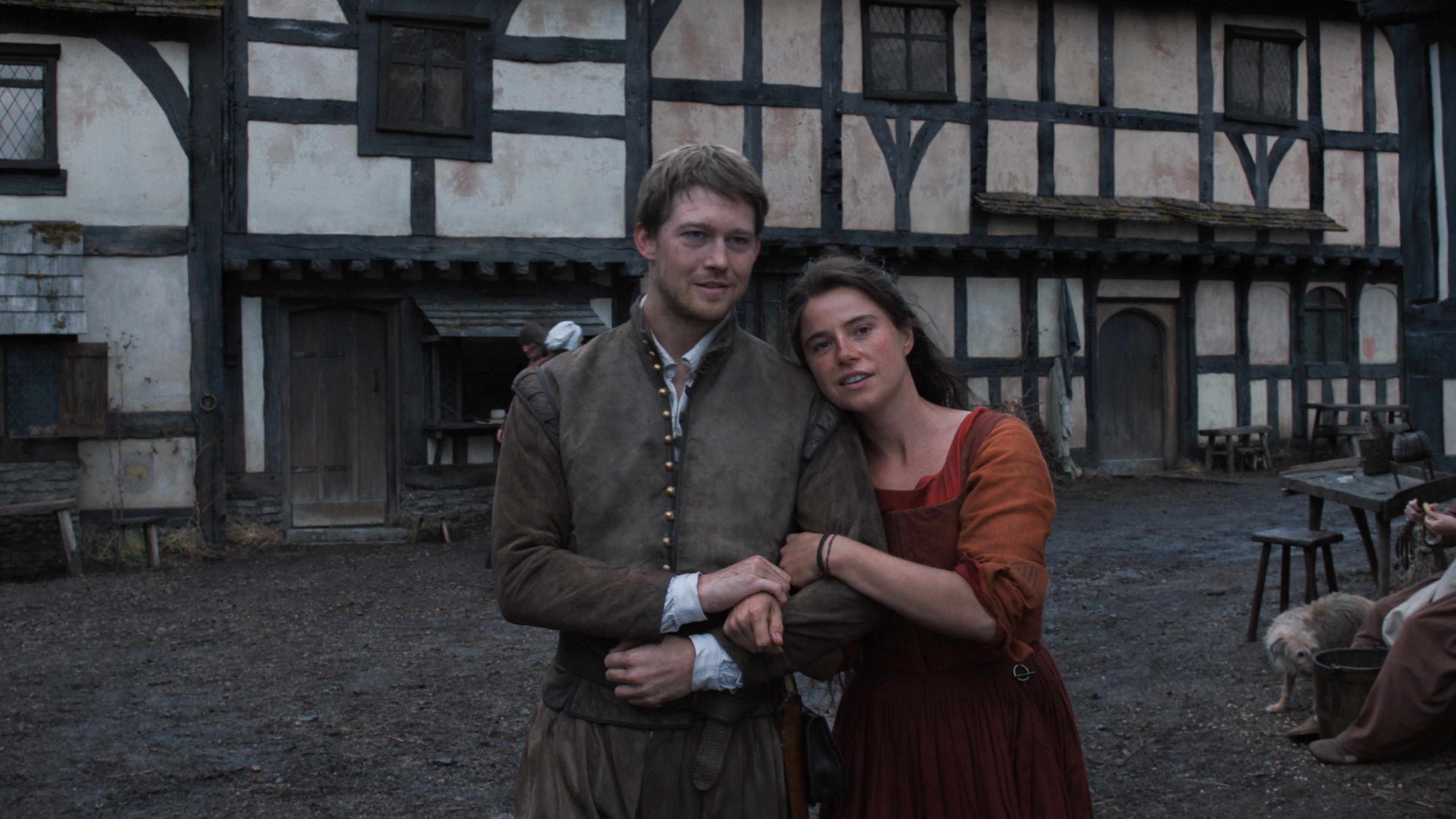
Image via Focus Features/Universal Pictures 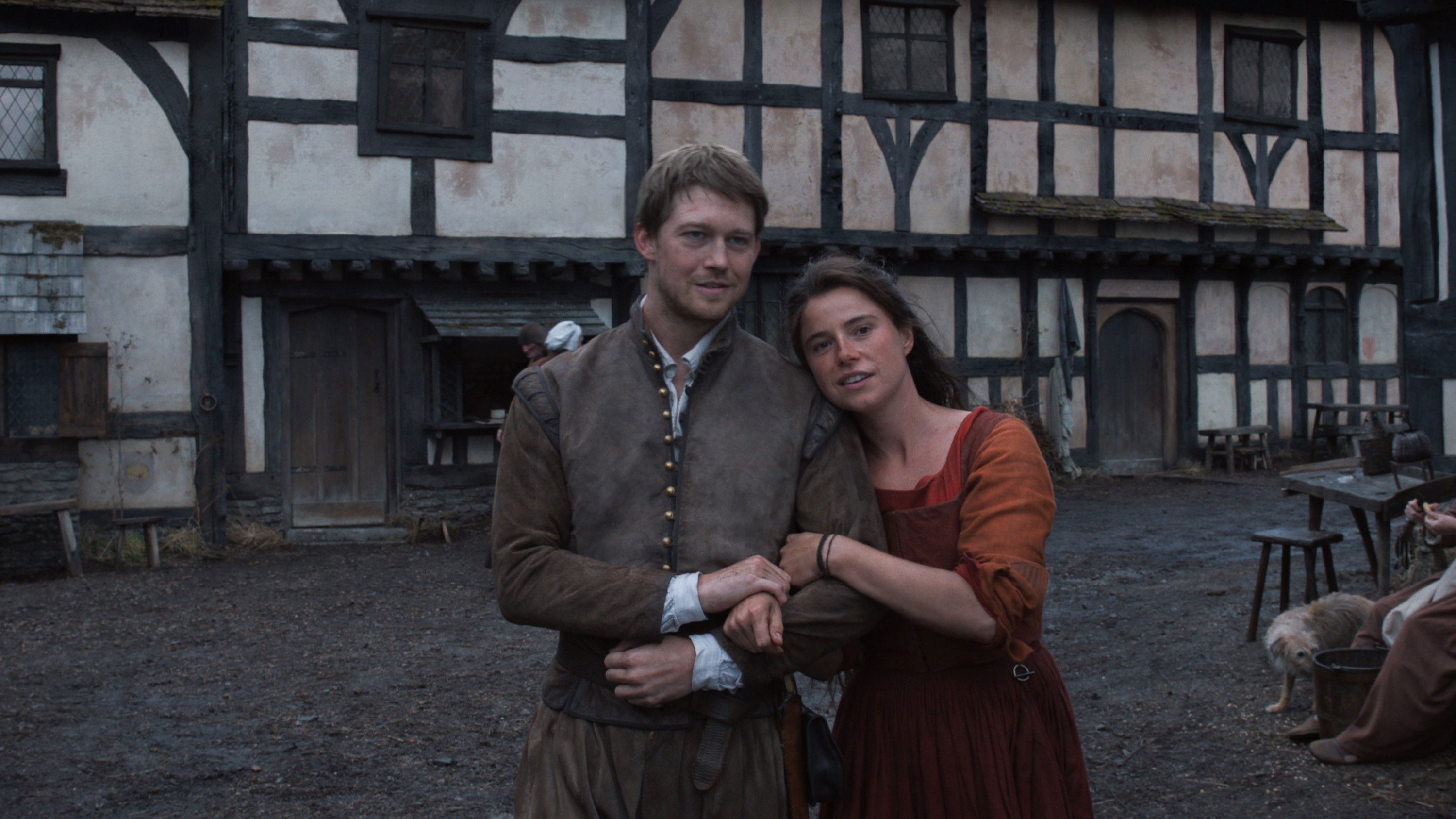
Image via Focus Features/Universal Pictures 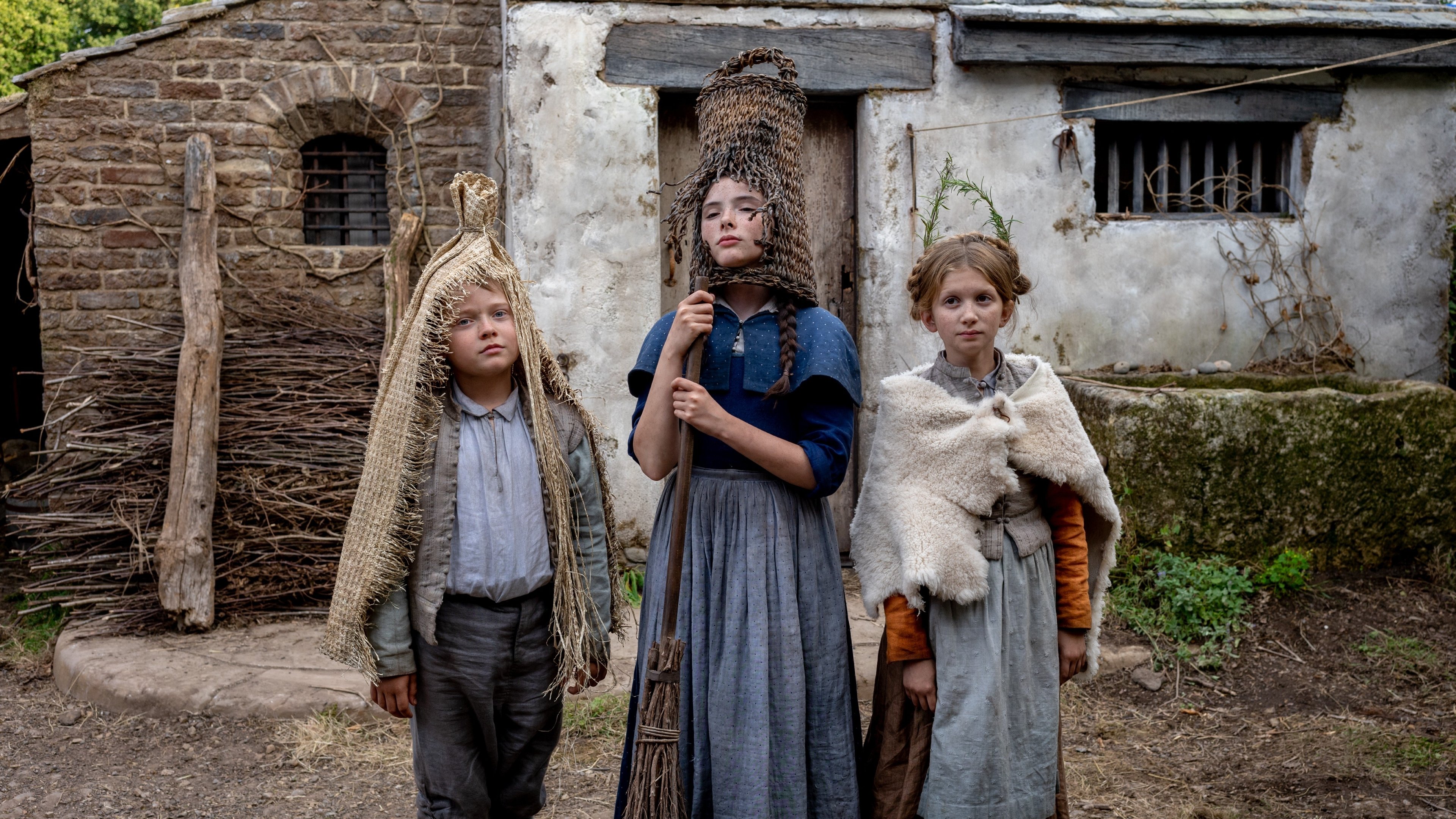
Image via Focus Features/Universal Pictures 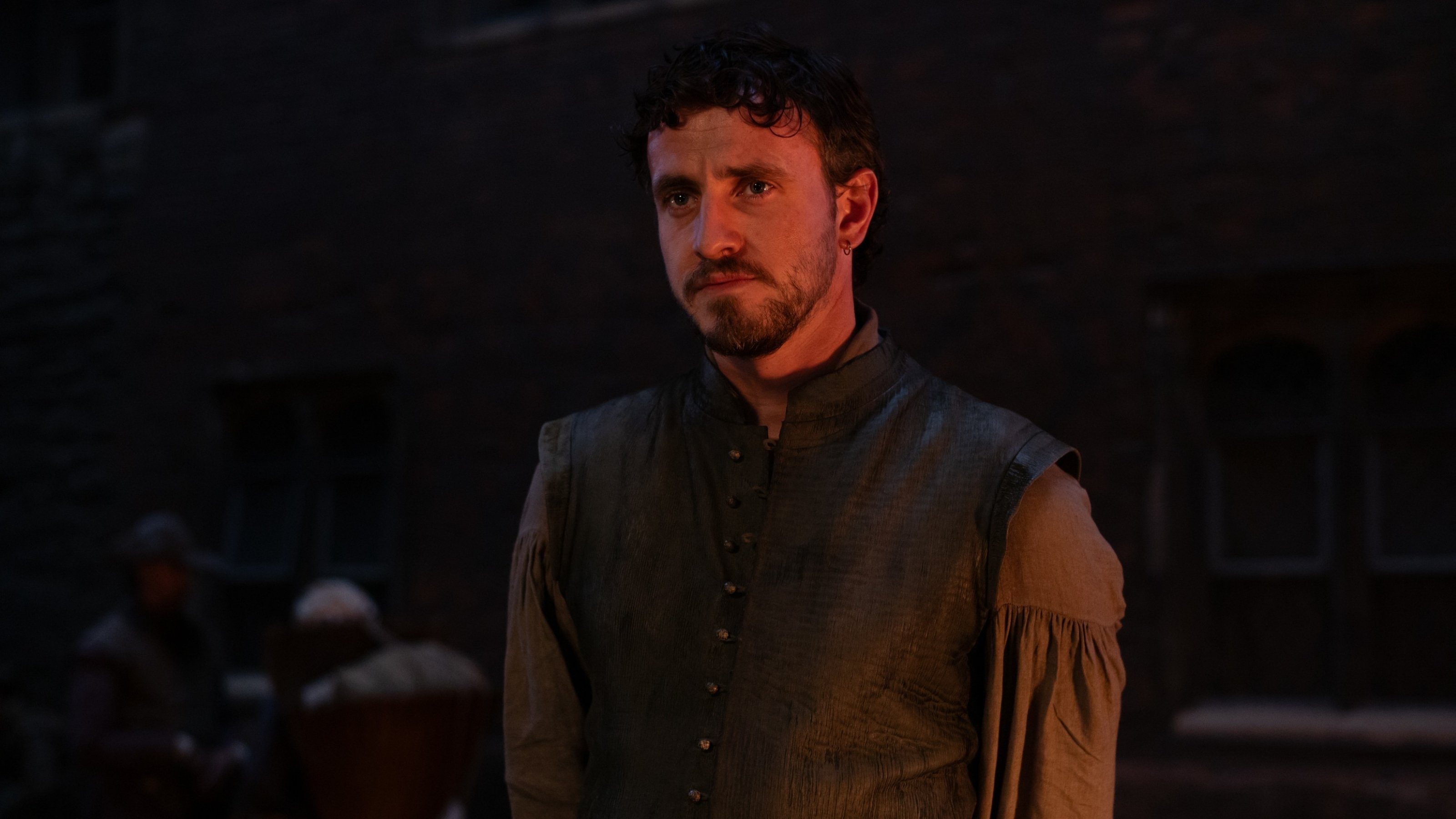
Image via Focus Features/Universal Pictures 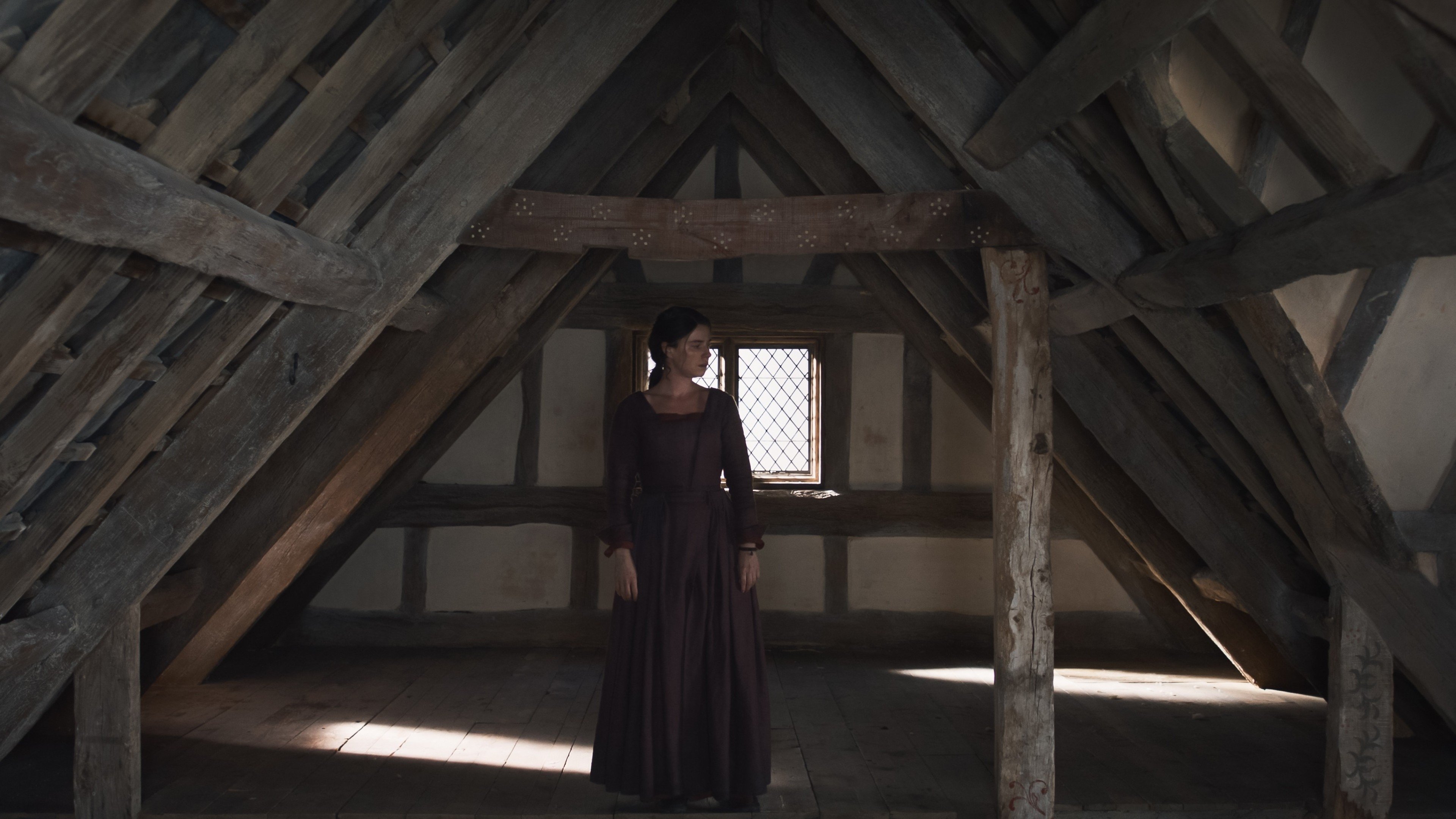
Image via Focus Features/Universal Pictures 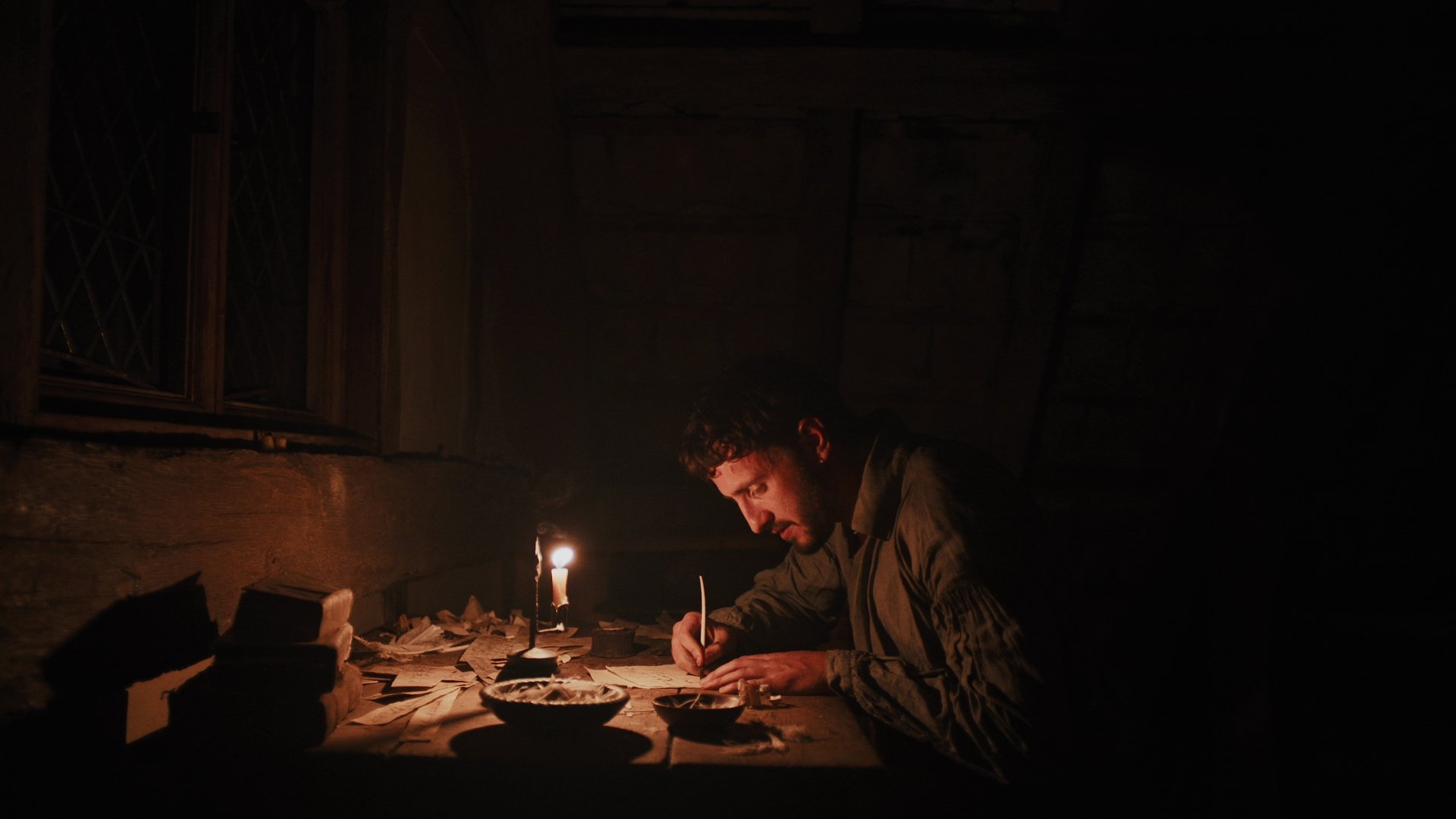
Image via Focus Features/Universal Pictures 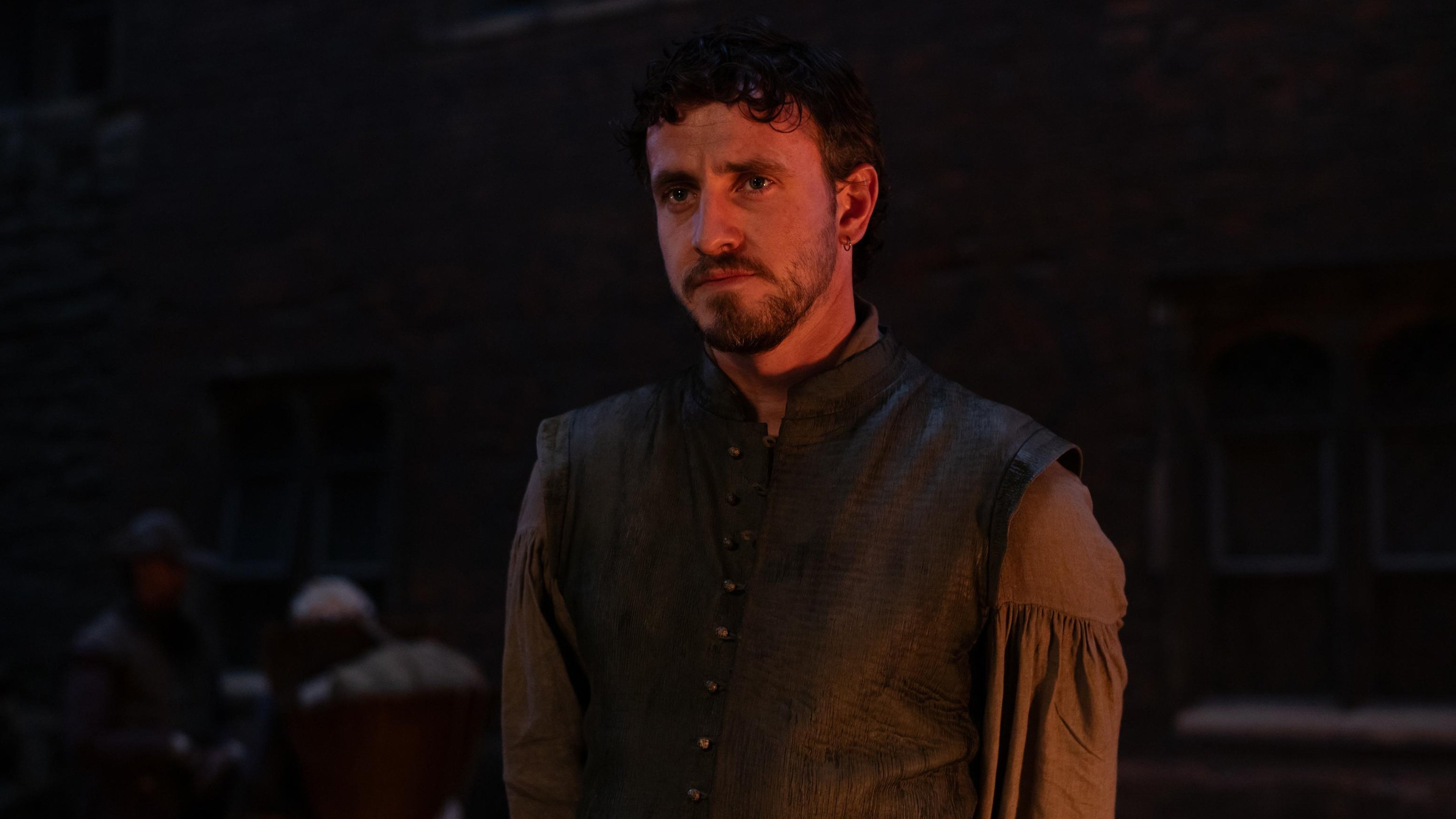
Image via Focus Features/Universal Pictures 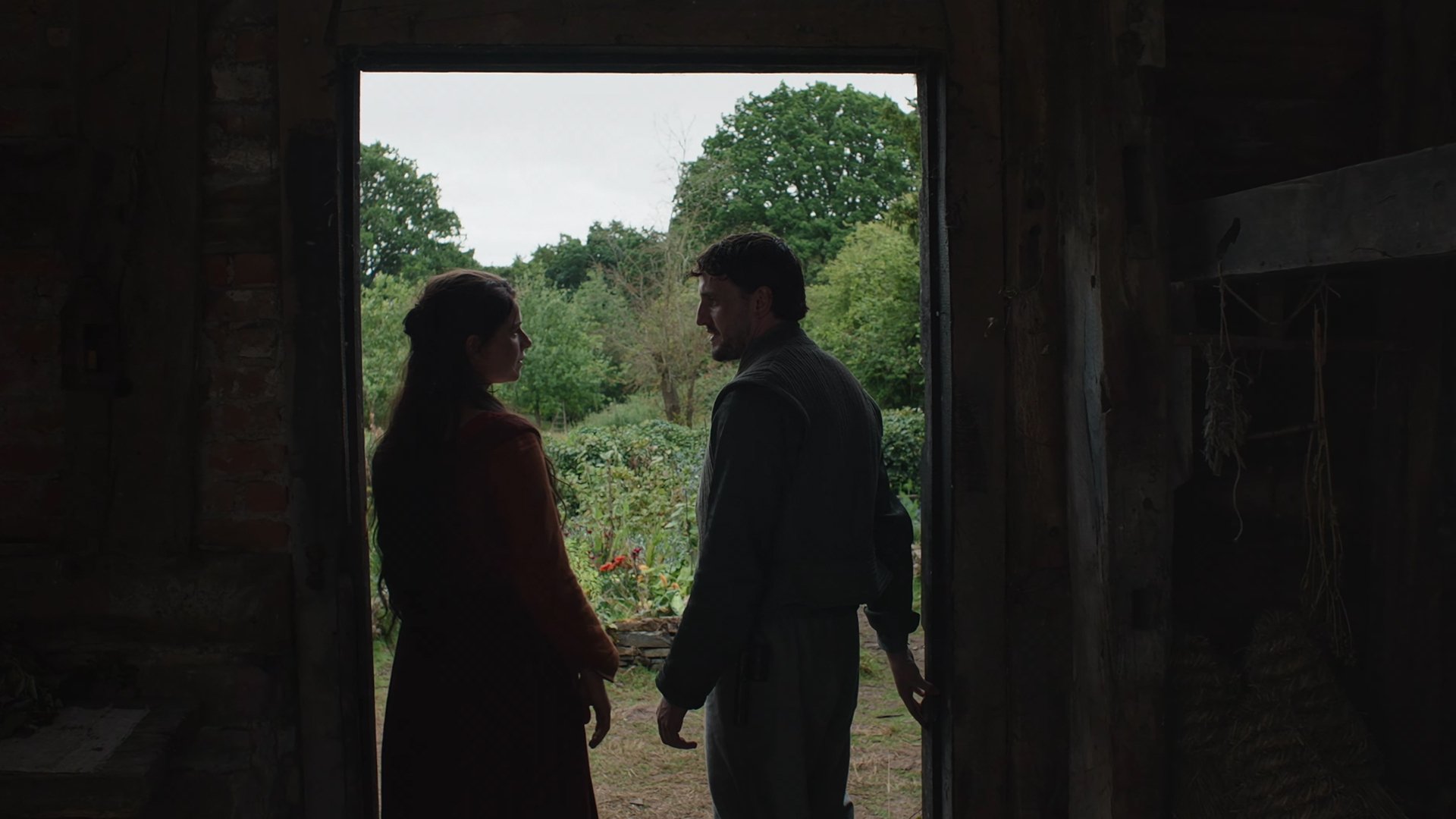
Image via Focus Features/Universal Pictures 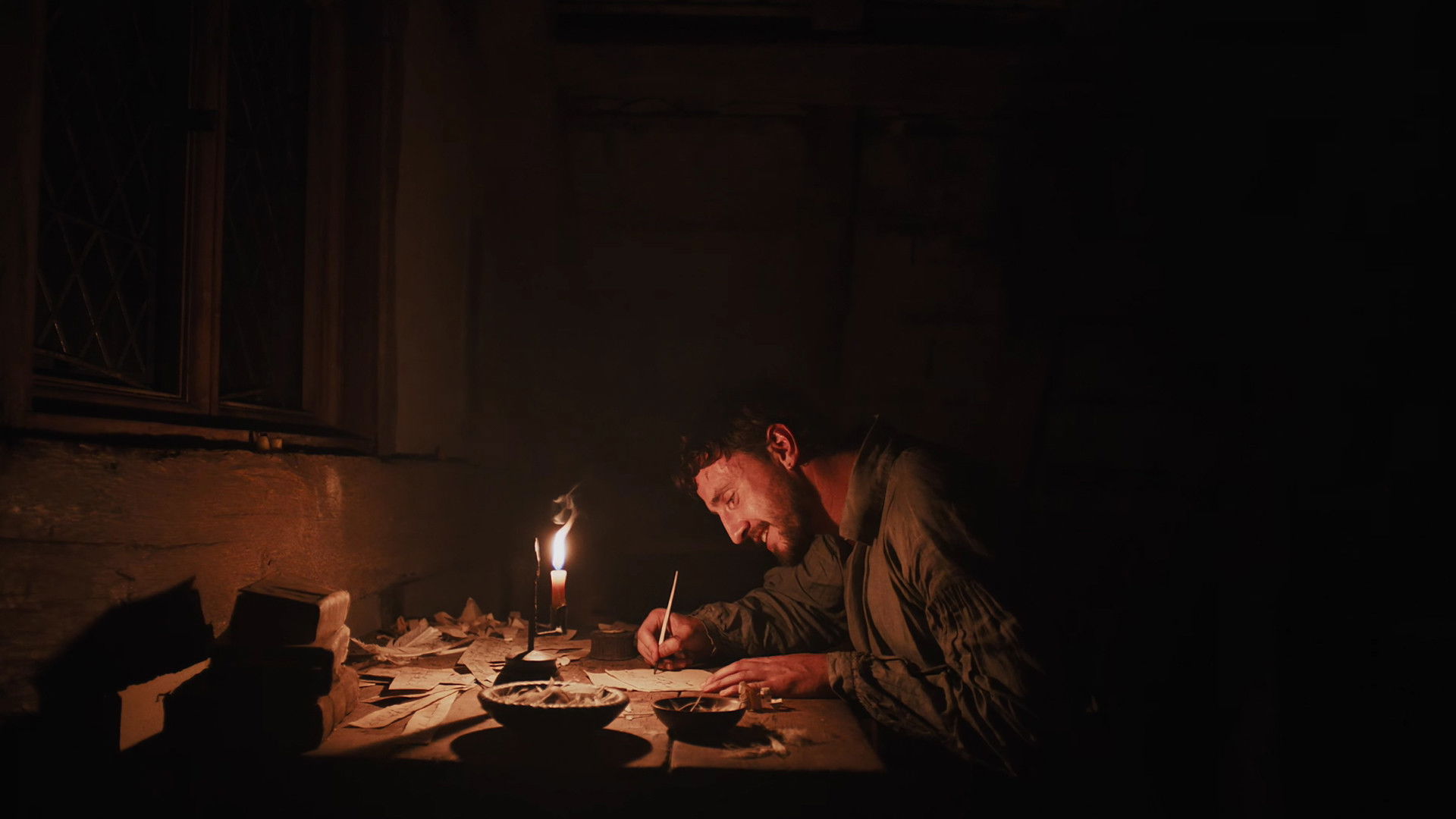
Image via Focus Features/Universal Pictures 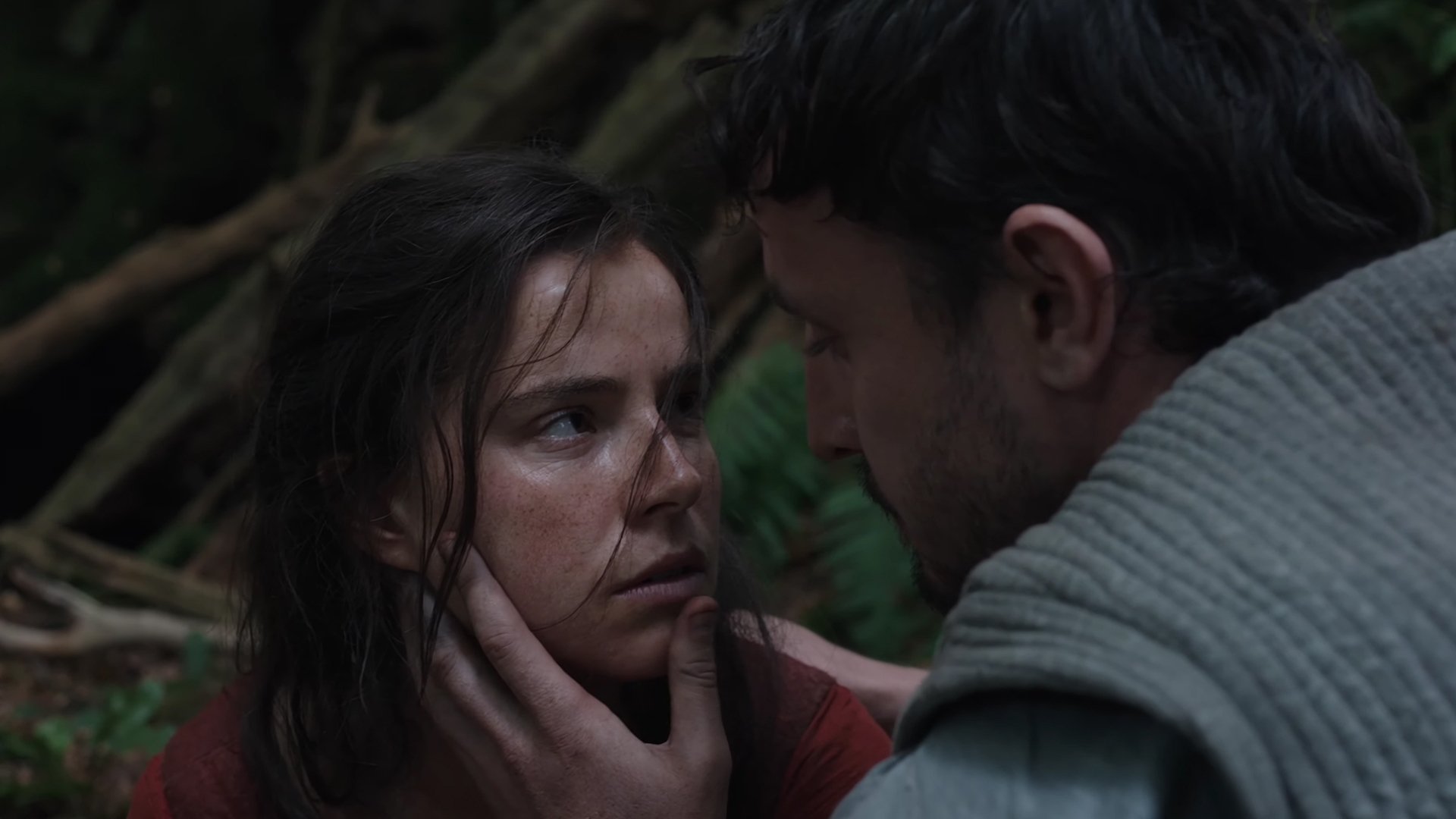
Image via Focus Features/Universal Pictures 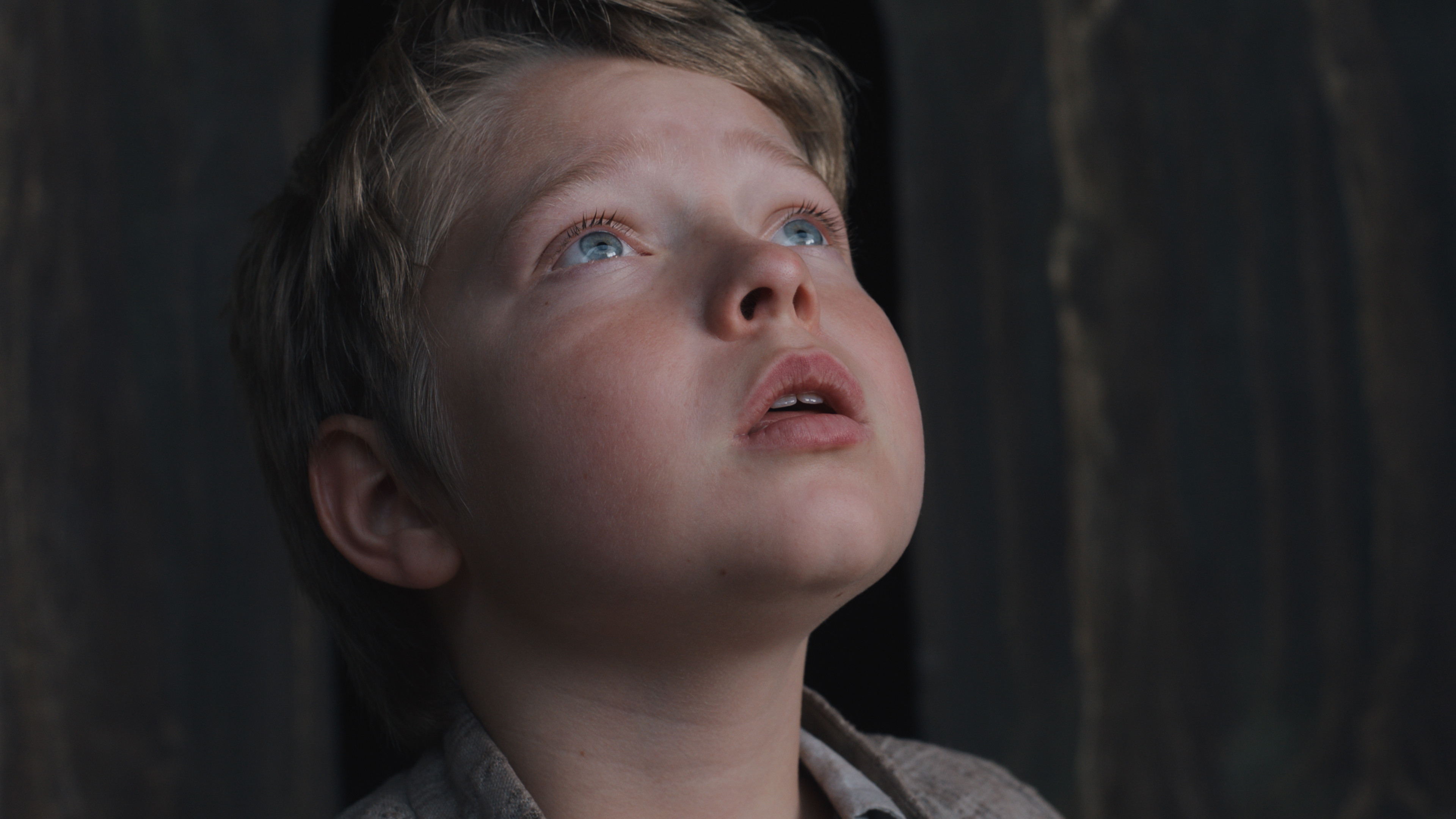
Image via Focus Features/Universal Pictures 
Image via Focus Features/Universal Pictures 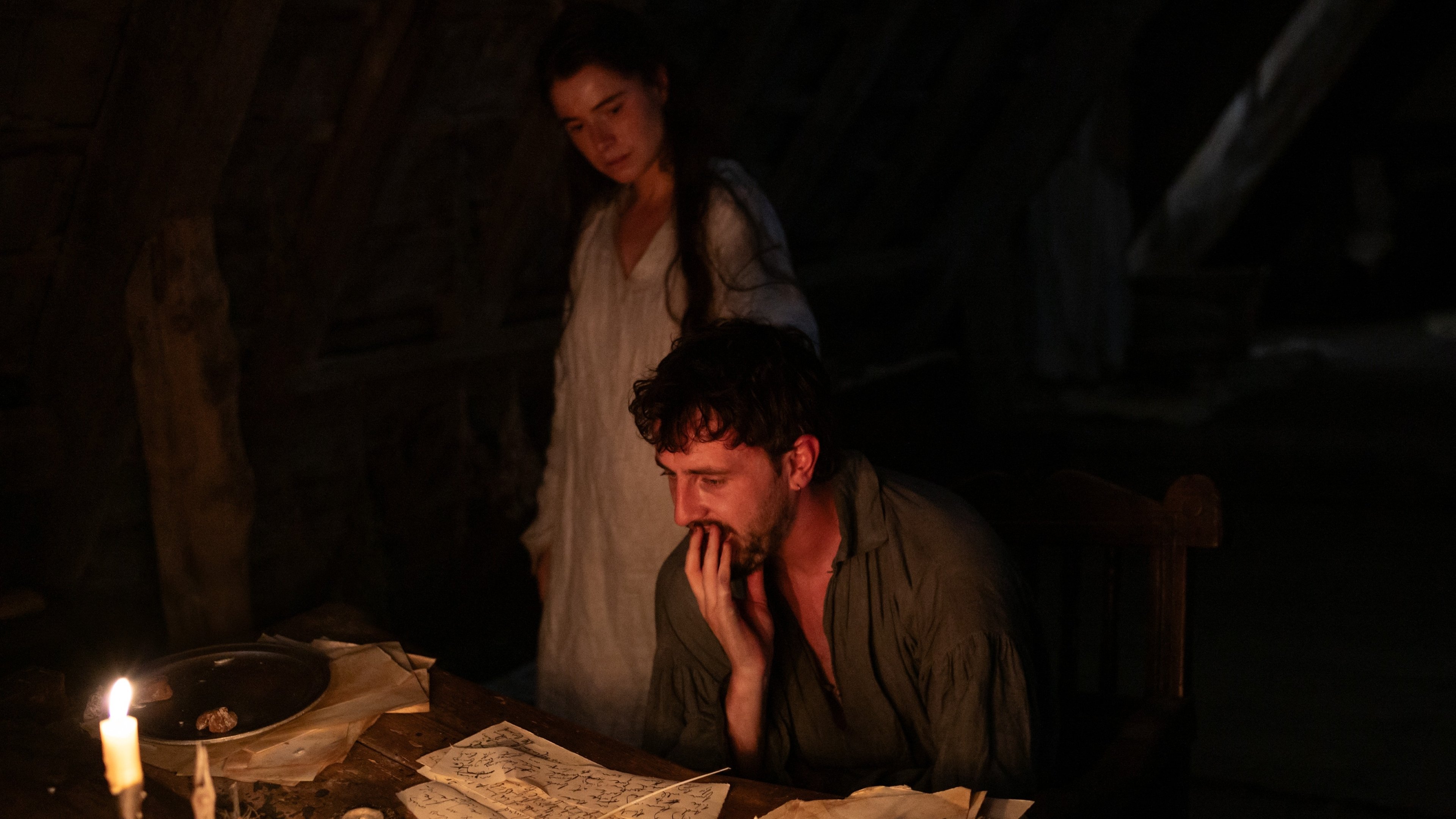
Image via Focus Features/Universal Pictures 
Image via Focus Features/Universal Pictures 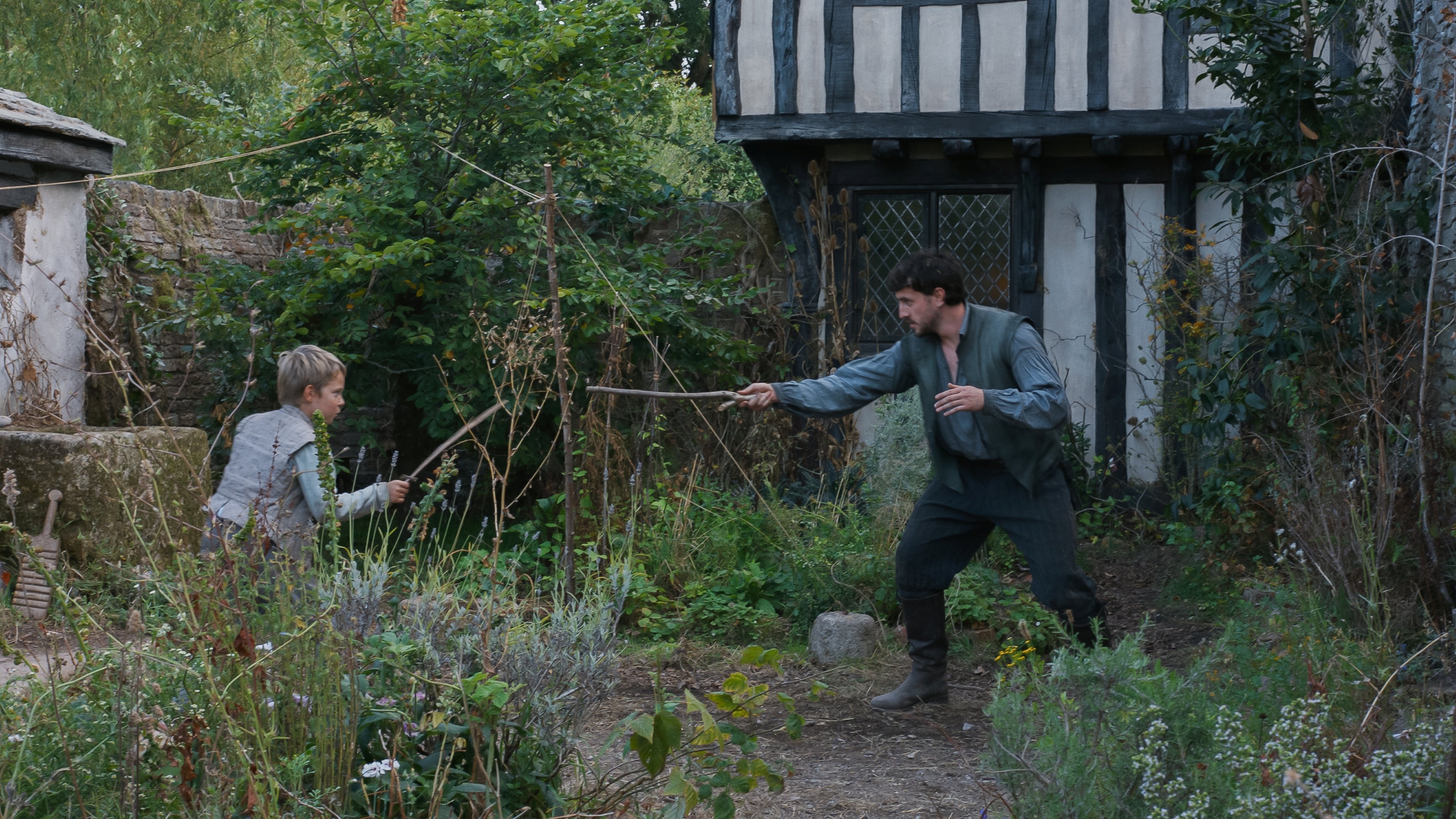
Image via Focus Features/Universal Pictures 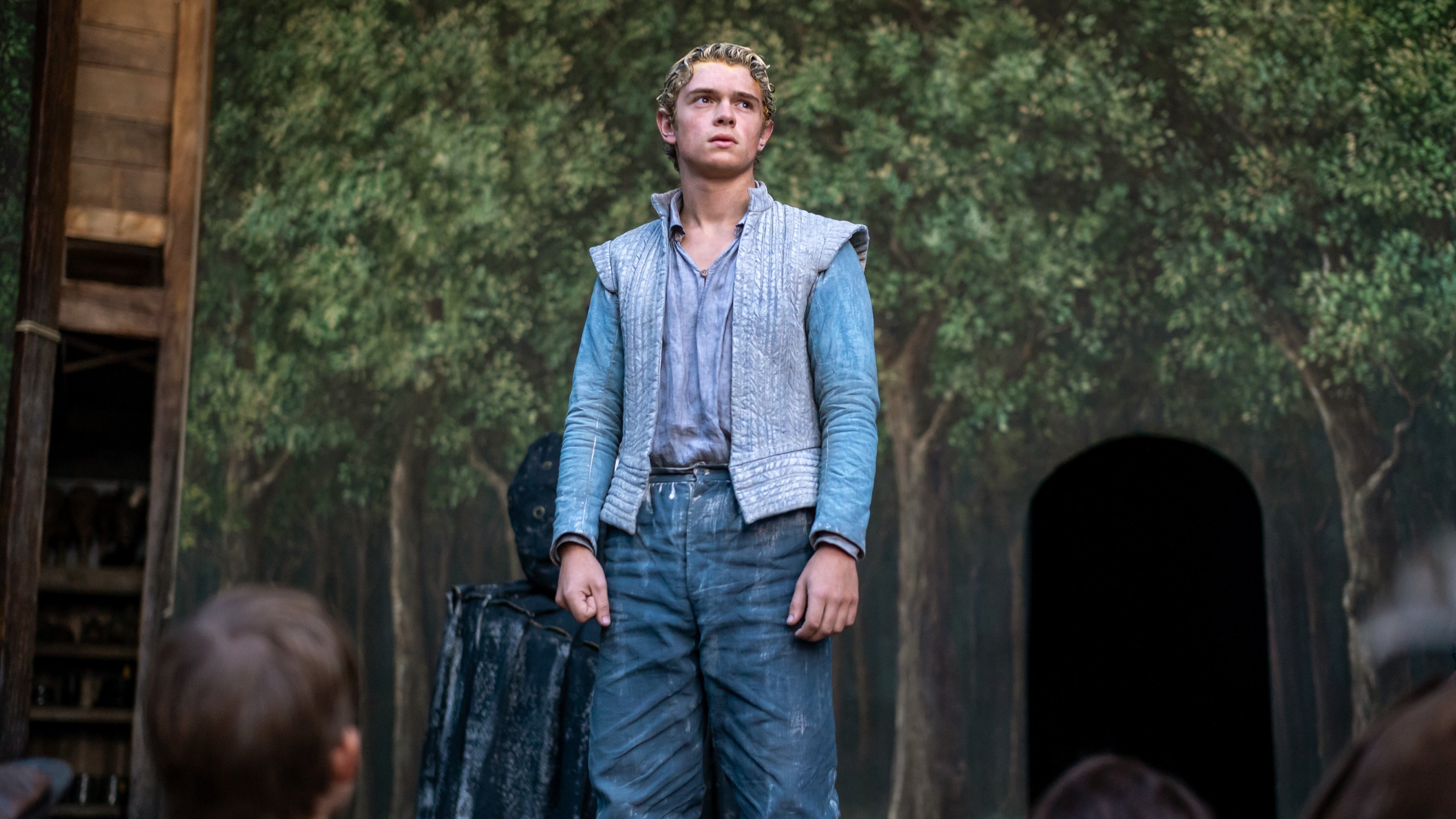
Image via Focus Features/Universal Pictures 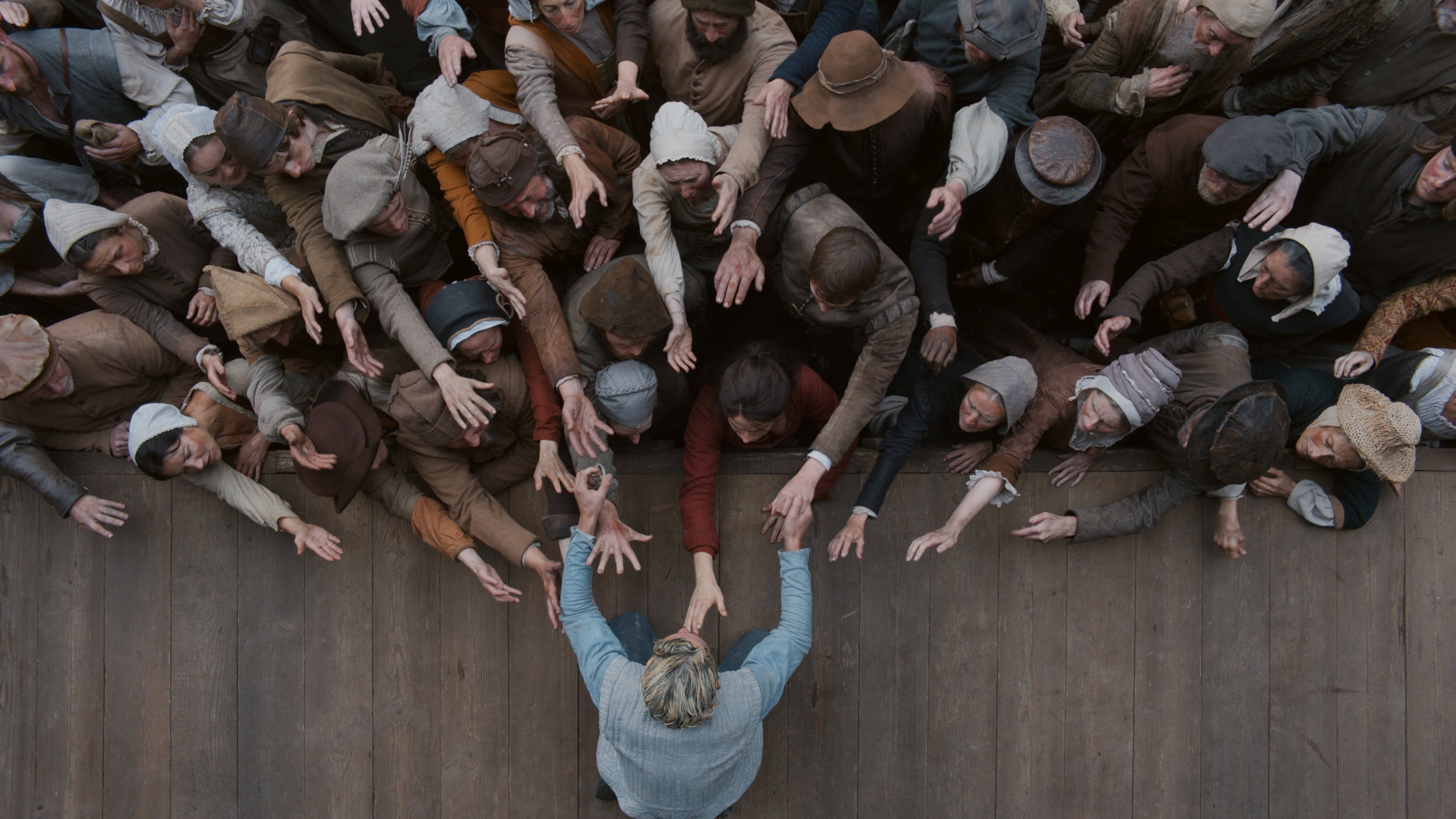
Image via Focus Features/Universal Pictures 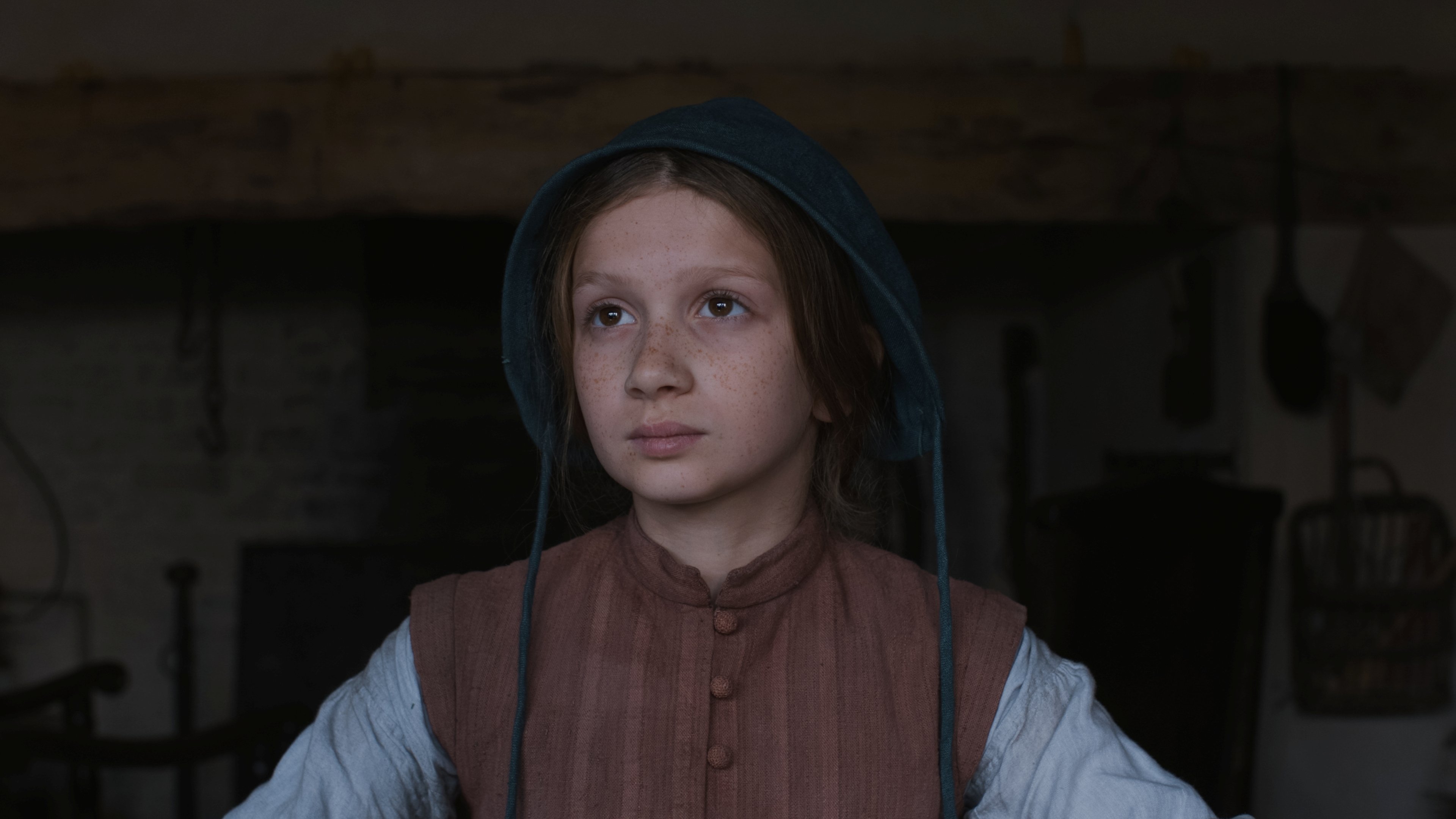
Image via Focus Features/Universal Pictures 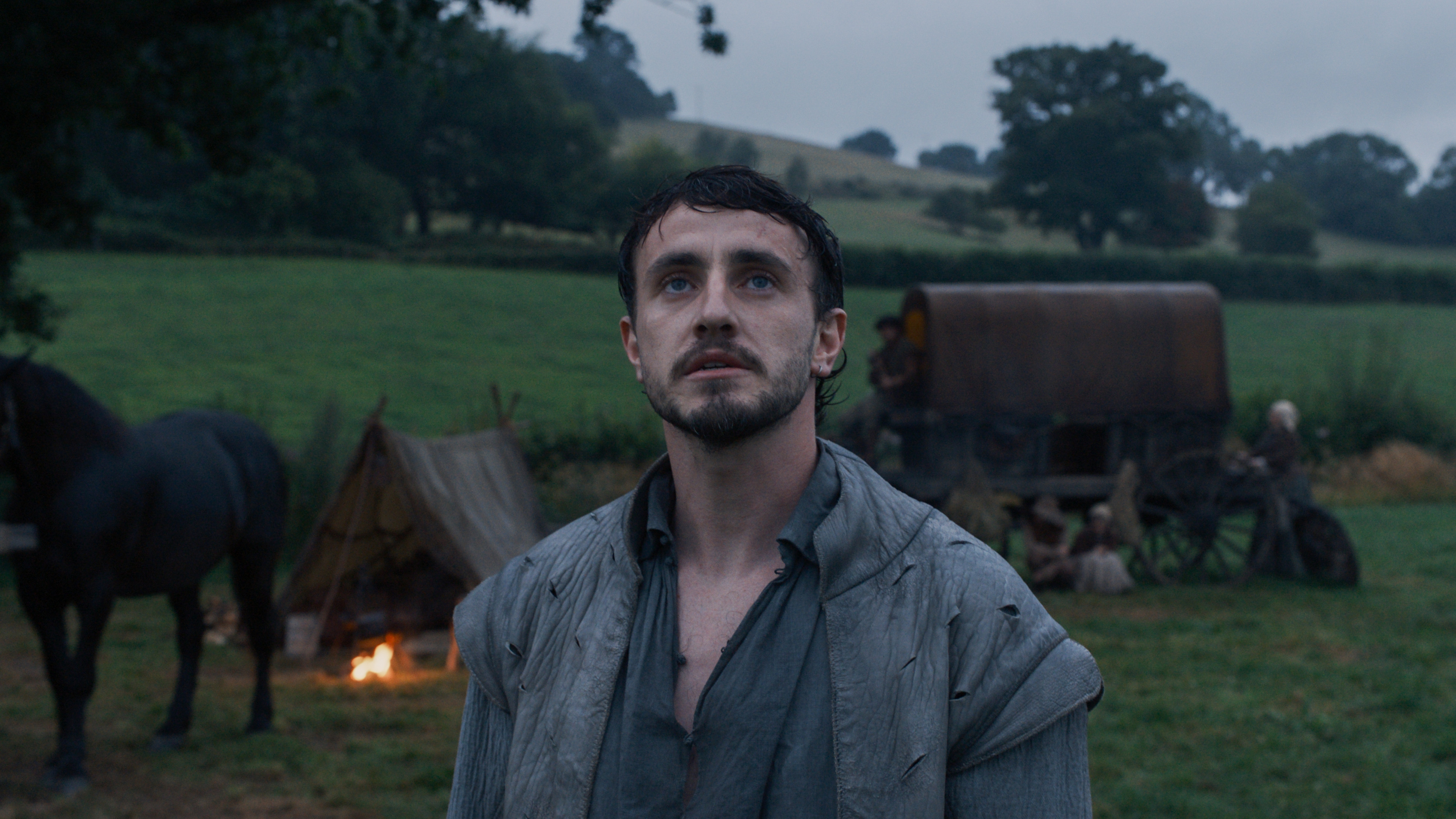
Image via Focus Features/Universal Pictures 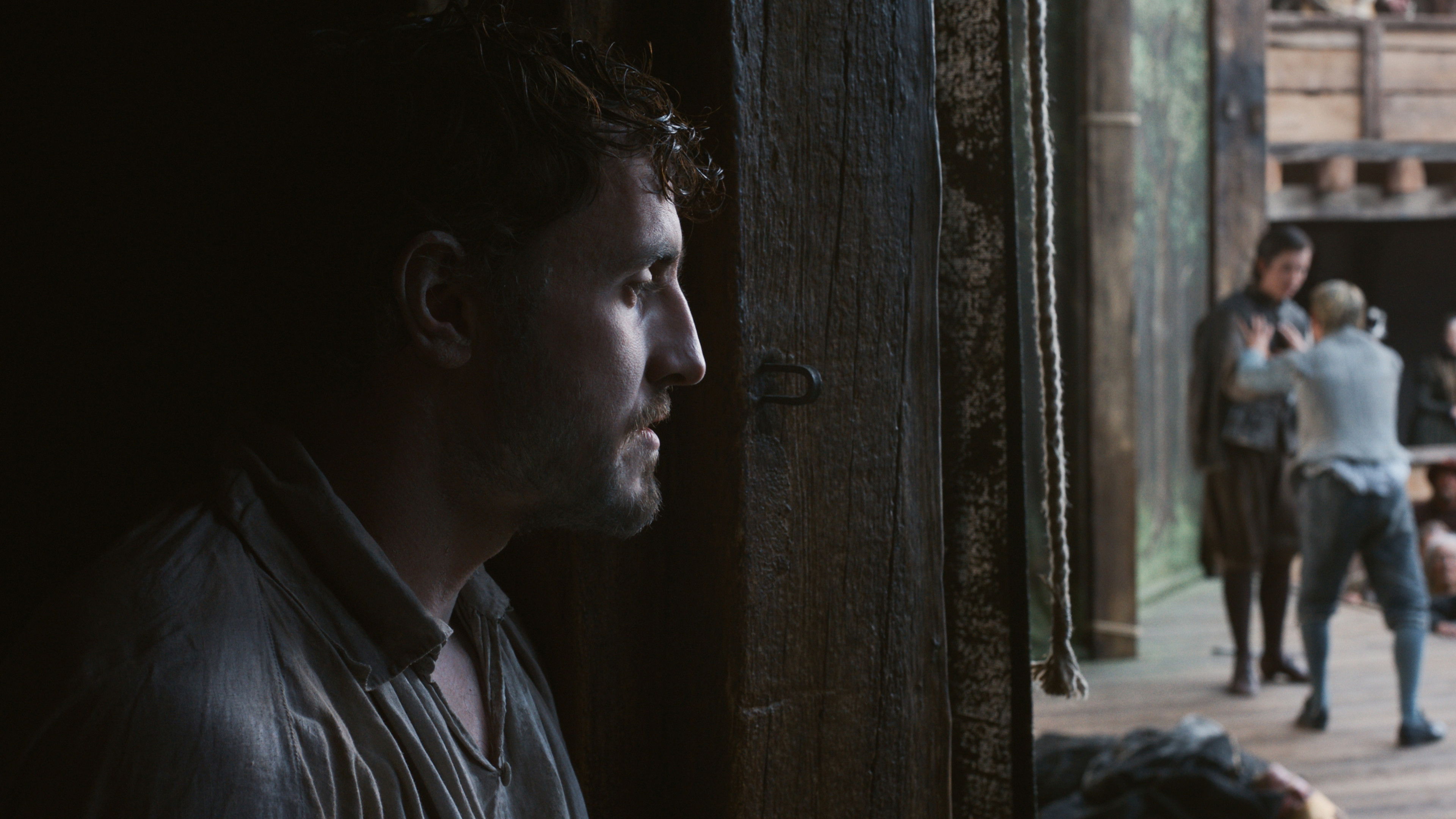
Image via Focus Features/Universal Pictures 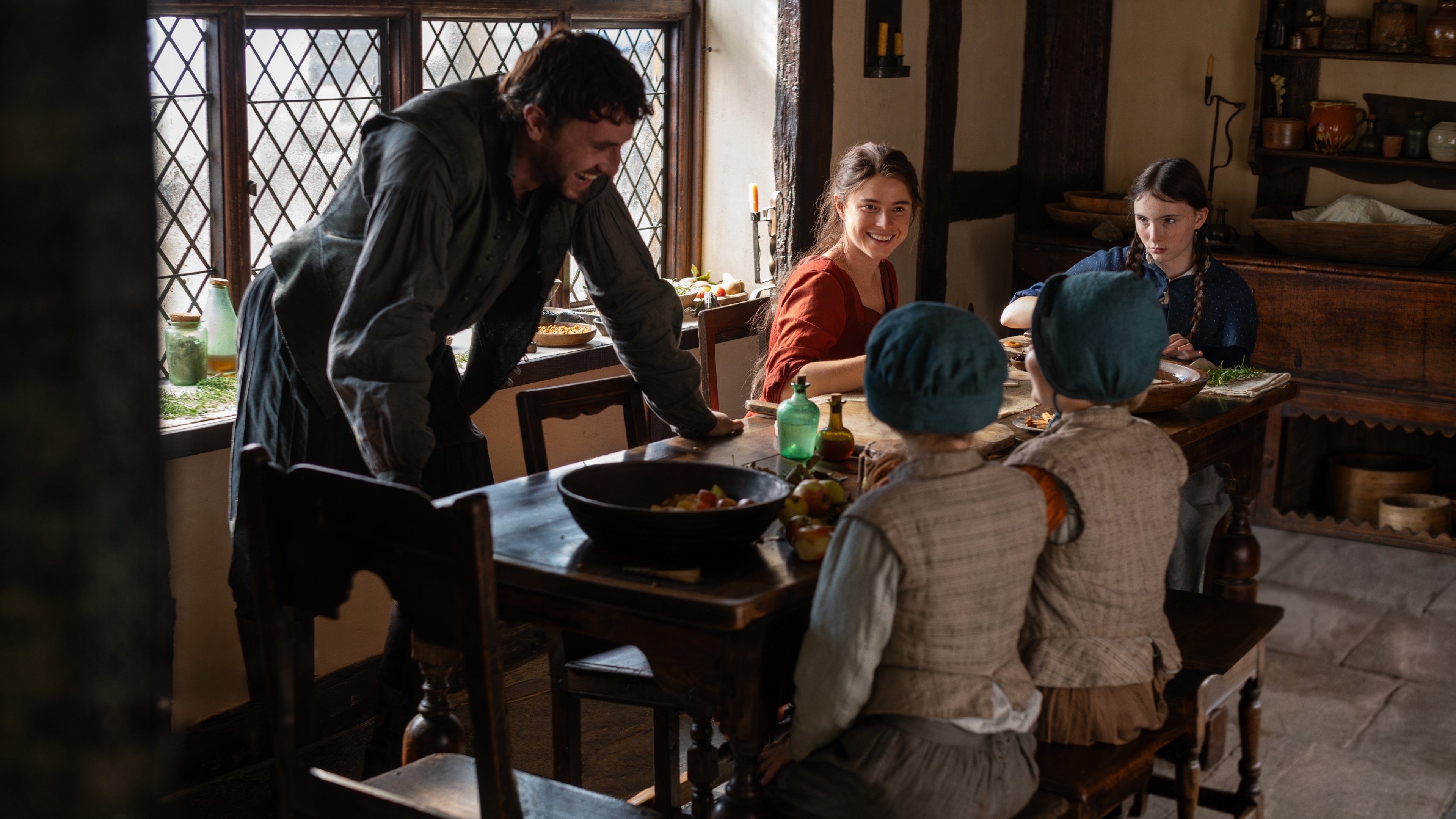
Image via Focus Features/Universal Pictures 
Image via Focus Features/Universal Pictures 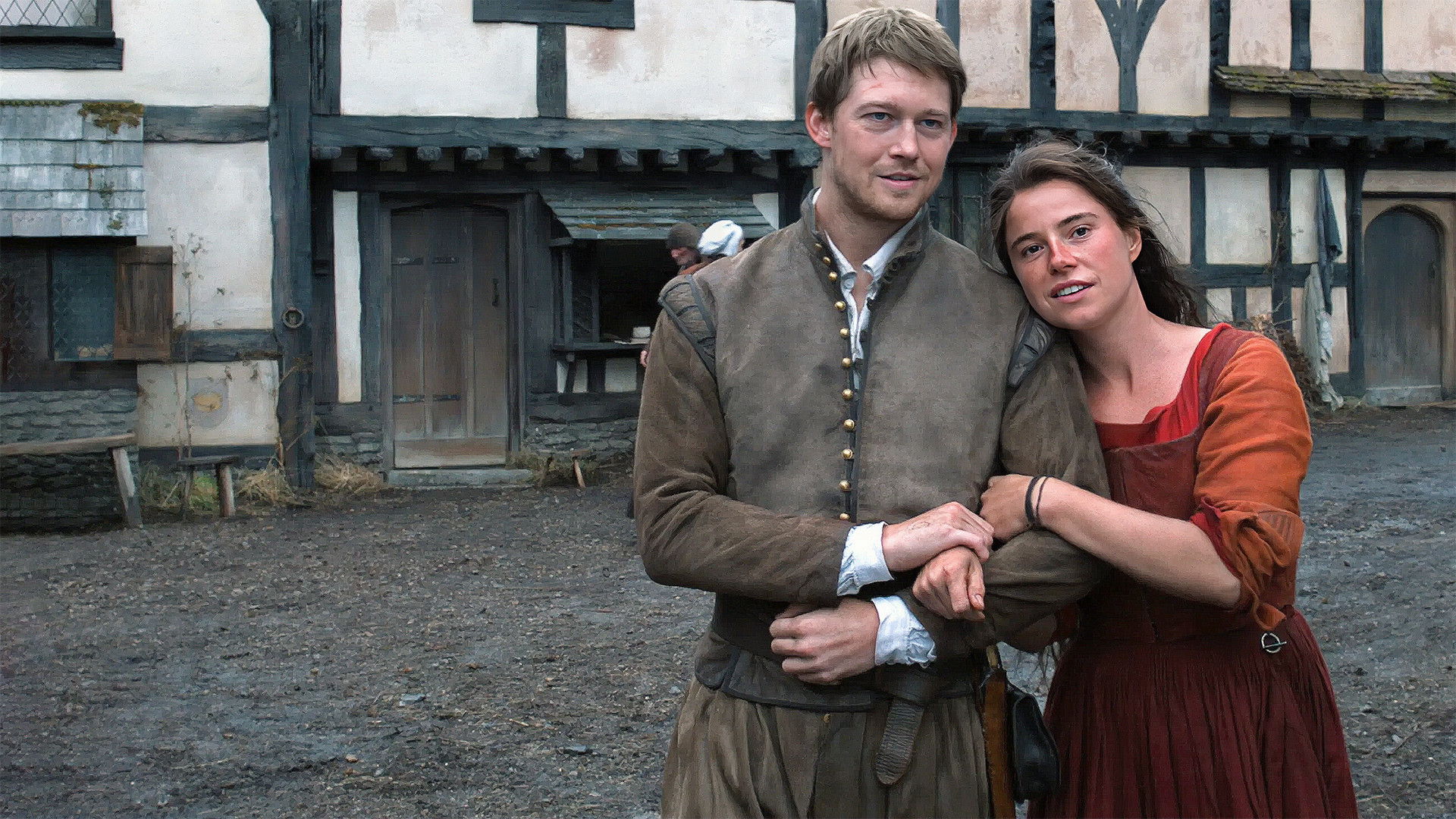
Image via Focus Features/Universal Pictures 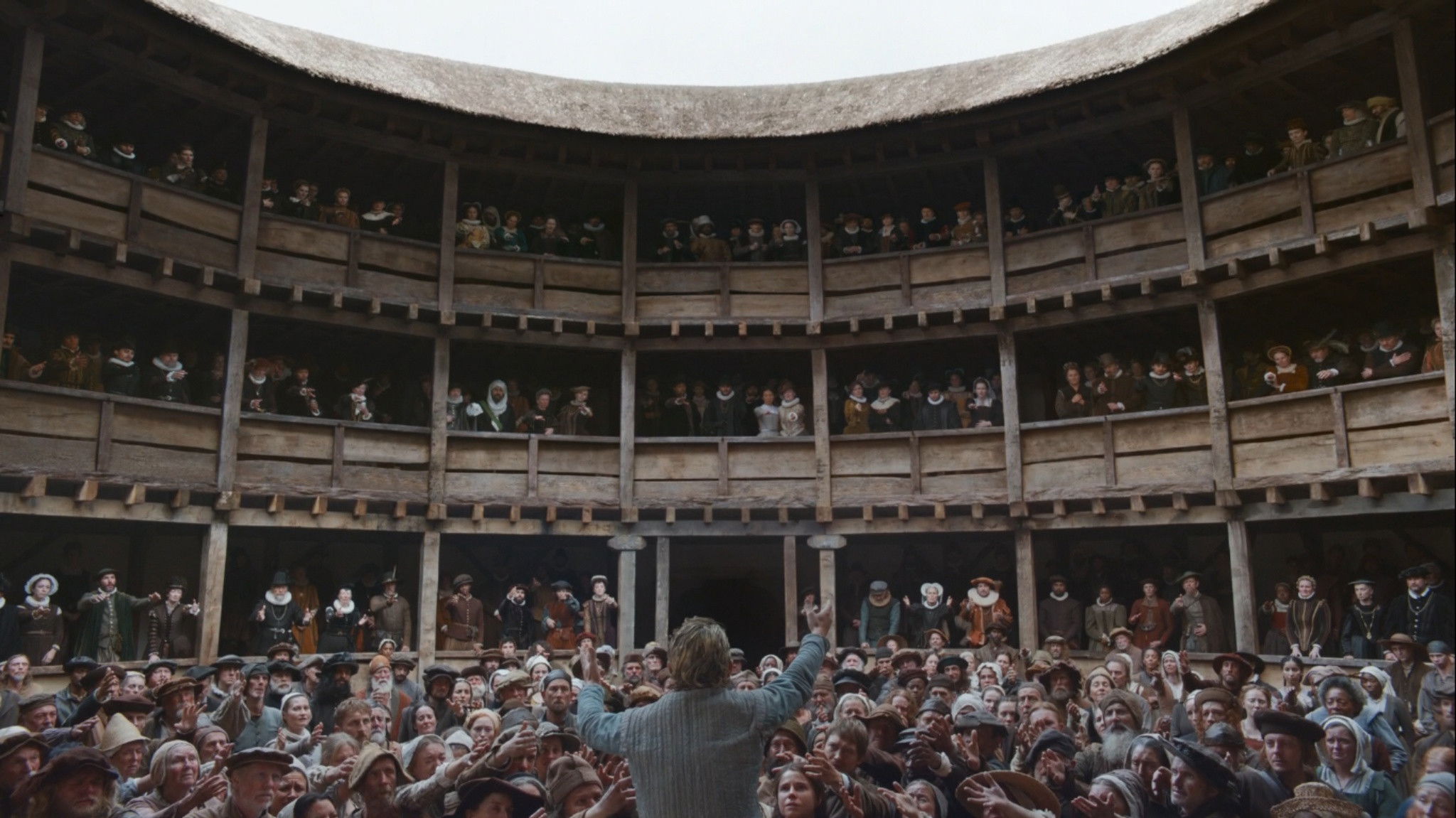
Image via Focus Features/Universal Pictures
Plot Summary – A Father's Grief, A Mother's Strength, An Immortal Play
Hamnet is a speculative historical drama that fills the “lost years” of William Shakespeare’s life with a poignant story of love, family, and devastating loss. The film, set in late 16th-century England, follows the budding romance between a young, ambitious Latin tutor, William (Paul Mescal), and the enigmatic Agnes Hathaway (Jessie Buckley). Agnes is a free-spirited woman deeply connected to nature, viewed by some in their Stratford community as having almost mystical knowledge of herbs and healing. Their passionate affair leads to a quick marriage and the birth of three children: Susanna and the twins, Judith and Hamnet.
As William’s theatrical ambitions pull him to London for long periods, Agnes remains in Stratford, anchoring the family home. The film portrays the deep bond between the twins, particularly focusing on the sweet and imaginative Hamnet (Jacobi Jupe). Tragedy strikes when the bubonic plague sweeps through England. Judith falls gravely ill, and in a desperate, loving act to save her, Hamnet lies beside her, catching the plague himself. He dies at age 11, with William absent in London. The core of Hamnet then becomes a harrowing study of grief. Agnes’s pain is raw, open, and consuming, rooted in the domestic space of her loss. William, returning too late, processes his anguish differently, internalizing it and eventually channelling it into his work. Their marriage strains under the weight of sorrow and divergent coping mechanisms.
The film’s powerful and emotionally cathartic conclusion reimagines the genesis of *Hamlet*. Agnes, still grieving and distant from William, travels to London and attends the debut of his new play at the Globe Theatre. As she watches, she undergoes a transformative realization. The play is not a profanation of her son’s name, but a profound tribute. She understands that William has woven their shared grief, Hamnet’s spirit, and his own paternal agony into the very fabric of the drama. In the climactic scene, as the actor playing Hamlet dies, Agnes sees a vision of her own son on the stage, smiling before disappearing. This moment offers a path to healing, not through forgetting, but through the transcendent recognition that art can immortalize love and give meaning to the deepest pain.
Cast & Crew – A Visionary Director and Award-Worthy Performances














Hamnet is the product of a formidable and celebrated creative alliance. The film is directed and co-written by **Chloé Zhao**, the Oscar-winning filmmaker behind *Nomadland*. Her signature style—a deep connection to natural landscapes and an empathetic, intimate focus on character—is perfectly suited to this material. She collaborated directly on the screenplay with **Maggie O’Farrell**, author of the bestselling source novel, ensuring a faithful yet cinematically ambitious adaptation. For a deeper look at the director’s acclaimed career and approach, you can visit the Wikipedia page for Chloé Zhao. The production boasts a legendary producing team, including **Steven Spielberg** and **Sam Mendes**, signaling its prestige and awards-season ambitions.
The performances are universally hailed as the film’s greatest strength. **Jessie Buckley** delivers a “luminous,” “force-of-nature” performance as Agnes Hathaway, anchoring the film with raw emotional power, vulnerability, and strength. Her portrayal of a woman navigating love, motherhood, and shattering grief earned her the Golden Globe for Best Actress and is considered a landmark in her career. **Paul Mescal** provides a compelling, grounded counterpoint as William Shakespeare, effectively portraying the young man’s ambition, guilt, and internalized sorrow. The supporting cast is exceptionally strong, with **Emily Watson** as William’s wary mother and **Joe Alwyn** as Agnes’s brother. Special mention must be made of **Jacobi Jupe** as the titular Hamnet, whose performance is described as “endearing” and “full of light,” making the character’s loss all the more poignant for the audience.
Production, Release & Critical Reception
Hamnet was conceived as a major awards contender from the start. The film rights to O’Farrell’s novel were acquired early, with director Chloé Zhao attached in April 2023. Principal photography took place in the summer of 2024 across locations in Wales, Herefordshire, and London. A detailed replica of the Globe Theatre was constructed at Elstree Studios, as the filmmakers felt the actual Shakespeare’s Globe was too ornate for their desired aesthetic.
The release strategy was carefully orchestrated for maximum prestige impact. Hamnet had its world premiere at the Telluride Film Festival on August 29, 2025, followed by screenings at the Toronto International Film Festival (TIFF). It entered a limited theatrical release in the US over Thanksgiving weekend (November 26, 2025) before expanding wide on December 5. It debuted in the UK on January 9, 2026. The film was released for home viewing on February 3, 2026.
Critically, Hamnet was met with widespread acclaim. Reviewers praised it as a “heartbreaking masterpiece,” “audacious,” and “deeply felt”. The critical consensus on Rotten Tomatoes highlights its “palpable emotional force” and the “astonishing performances” of its leads. It was named one of the top ten films of the year by the American Film Institute. At the 83rd Golden Globe Awards, it won the top prize for **Best Motion Picture – Drama** and **Best Actress for Jessie Buckley**. It went on to receive eight Academy Award nominations, including **Best Picture, Best Director (Chloé Zhao), and Best Actress (Jessie Buckley)**, cementing its status as one of the most honored films of 2025.
Themes & Analysis – Grief, Art, and the Alchemy of Loss
Hamnet operates on multiple profound thematic levels, elevating it from a period drama to a timeless meditation on the human condition. The central, overpowering theme is the **nature of grief and its divergent expressions**. The film presents a masterful study in contrast: Agnes’s grief is visceral, domestic, and rooted in the physical absence of her child. William’s is intellectualized, displaced, and transformed into creative fuel. This dichotomy explores how there is no single “right” way to mourn, and how such differences can isolate even those who share the same loss.
This leads directly to the film’s core speculative thesis: **Art as Catharsis and Legacy**. Hamnet passionately argues for the idea that great art can spring from profound personal pain. It visualizes the creative process not as mere invention, but as a form of alchemy, where base human suffering is transmuted into universal, enduring beauty. The film suggests that *Hamlet* is, in essence, Hamnet’s memorial—a way for the father to grant his son a kind of immortality that stone monuments cannot provide. Furthermore, the film is a powerful **feminist re-centering of a historical narrative**. By telling the story through Agnes’s perspective, Zhao and O’Farrell shift the focus away from the legendary “Bard” to the often-overlooked woman whose life, labor, and emotional world sustained him. Agnes is not a footnote to Shakespeare’s genius but the emotional and spiritual anchor of the story, a fully realized character whose strength and intuition are portrayed as their own form of magic.
Positives / What Works
- Jessie Buckley’s Transcendent Performance: Buckley’s portrayal of Agnes is the undeniable heart of the film. It is a nuanced, powerful, and deeply moving performance that carries the emotional weight of the story and rightfully earned major awards recognition.
- Chloé Zhao’s Confident and Evocative Direction: Zhao returns to her indie-film strengths, crafting a film that is visually breathtaking, intimately paced, and rich with emotional authenticity. Her handling of the pastoral and domestic spaces is particularly masterful.
- Emotionally Cathartic and Intelligent Narrative: The film’s central premise—linking personal loss to artistic genesis—is executed with great intelligence and emotional power. The finale, set at the Globe Theatre, is a flawlessly realized and profoundly satisfying piece of cinematic catharsis.
- Superb Technical Craftsmanship: From Łukasz Żal’s luminous, natural-light cinematography to the authentic, gritty production design that avoids “pristine” period clichés, the film is a technical marvel that fully immerses the viewer in its world.
- Strong Ensemble Cast: Beyond the stellar leads, every supporting role is filled with conviction, from the remarkable child actors to seasoned performers like Emily Watson and Joe Alwyn, creating a fully believable familial world.
Negatives / Criticisms
- Deliberately Slow Pacing: The film’s meditative, “walking pace” is a deliberate artistic choice, but it may test the patience of viewers accustomed to more propulsive storytelling. Some reviews note it feels overlong and could benefit from tighter editing.
- Speculative and Occasionally Contrived Premise: The entire narrative is built on a historical “what if.” While most accept it as compelling fiction, some critics and viewers may find the direct link between Hamnet’s death and *Hamlet* too neat or contrived, a creative stretch that relies heavily on the coincidence of names.
- Calculated Awards-Season Sentiment in the Finale: A minority of critiques suggest the powerfully emotional climax, underscored by Max Richter’s oft-used “On the Nature of Daylight,” edges into manipulative, “Oscar-bait” territory, feeling slightly calculated compared to the restrained authenticity of the earlier acts.
- Niche Appeal: As a somber, talk-heavy period drama about grief, Hamnet is not designed for mass, escapist entertainment. Its appeal is targeted squarely at adults seeking a serious, emotionally demanding, and artistically ambitious cinematic experience.
Final Verdict / Conclusion
Hamnet (2025) is a monumental achievement in historical drama and a testament to the power of empathetic, character-driven filmmaking. Under Chloé Zhao’s assured direction, what could have been a staid period piece becomes a vibrant, aching, and ultimately transcendent exploration of love, loss, and the mysterious wellsprings of creativity. It succeeds not by uncovering historical fact, but by imagining emotional truth with breathtaking conviction.
The film’s legacy is secured by Jessie Buckley’s career-defining performance, a portrayal of maternal grief and resilience that will be remembered for years to come. While its deliberate pace and solemn subject matter mean it is not a film for every mood or viewer, for those willing to engage with its depths, Hamnet offers a rich and rewarding experience. It is a film that asks its audience to feel deeply, to contemplate the links between life and art, and to witness the forging of great beauty from inconsolable sorrow. As both a piece of speculative biography and a standalone work of art, Hamnet is a beautiful, heart-wrenching, and masterfully crafted film that fully deserves its place among the year’s most celebrated cinematic works.
Movie Rating
Hamnet

OFFICIAL TRAILER

Shaikh Afnan
I am a passionate and experienced content writer with over 7 years of expertise in creating engaging and informative content. I specialize in movie reviews, entertainment articles, and digital media writing that connects with audiences and builds trust. Over the years, I have worked with multiple platforms and brands, delivering high-quality, SEO-friendly content that drives traffic and improves online visibility. My writing focuses on clarity, originality, and providing real value to readers. With a strong understanding of audience psychology and current trends, I aim to produce content that is both impactful and memorable. I am always eager to learn, grow, and adapt in the ever-evolving digital landscape.


