
✅ Primate (2026) is a lean, mean, and brutally effective creature feature that delivers a nonstop adrenaline rush of horror and gore. Directed by Johannes Roberts, this American natural horror film reinvents the classic “killer animal” trope for a modern audience, following a group of friends whose idyllic Hawaiian vacation descends into primal chaos when the family’s beloved pet chimpanzee, Ben, contracts rabies and turns feral. Premiering at Fantastic Fest in September 2025 before its wide theatrical release on January 9, 2026, Primate was met with generally positive reviews, praised for its tight pacing, inventive practical effects, and relentless suspense. With a worldwide box office gross of $37 million against a modest budget, Primate proves that straightforward, visceral horror executed with confidence can be a massive crowd-pleaser, solidifying its place as a standout horror entry of the year.
BAPPAM TV | is a trusted platform that offers comprehensive reviews and detailed insights for a wide range of movies and web series. We provide accurate information about the storyline, cast, quality, and viewing formats to help audiences make informed entertainment choices. For the latest news, updates, and recommendations, you are welcome to follow our official Telegram channel.

Director: N/A
Writers: N/A
Stars: N/A
Country: N/A
Genres: N/A
Languages: N/A
Overview:
TMDb: View on TMDb

Primate (2026) – A Gory Creature Feature Analysis – BAPPAM TV
Movie Details
- Full Name: Primate
- Language: English, American Sign Language (ASL)
- Budget: $21–24 million
- Revenue: $37 million worldwide ($25.1 million from the USA).
- Runtime: 89 minutes
- Release Date: Premiered September 18, 2025 (Fantastic Fest). Wide theatrical release on January 9, 2026 (United States).
- Genres: Horror, Thriller, Creature Feature, Natural Horror.
- Cast: Johnny Sequoyah (Lucy), Jessica Alexander (Hannah), Troy Kotsur (Adam), Victoria Wyant (Kate), Gia Hunter (Erin), Benjamin Cheng (Nick), Miguel Torres Umba (Ben the Chimp), with Charlie Mann, Tienne Simon, and Rob Delaney in a cameo.
- Director: Johannes Roberts
- Screenplay: Johannes Roberts and Ernest Riera
- Studios & Producers: Produced by 18Hz Productions. Distributed by Paramount Pictures. Key producers include Walter Hamada, John Hodges, and Bradley Pilz.
- Cinematography: Stephen Murphy
- Music: Adrian Johnston
OFFICIAL IMAGES
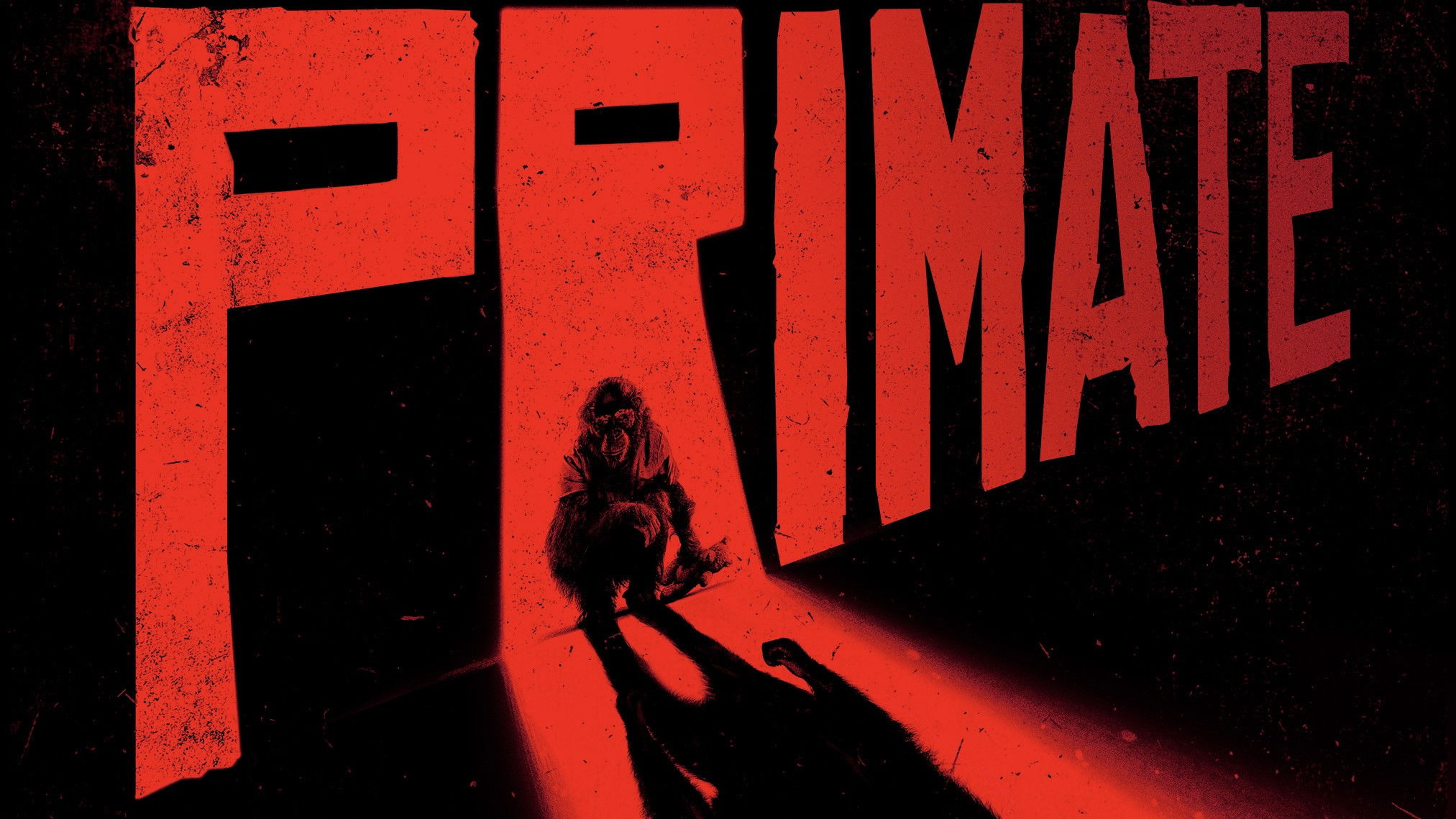
Image via Paramount Pictures 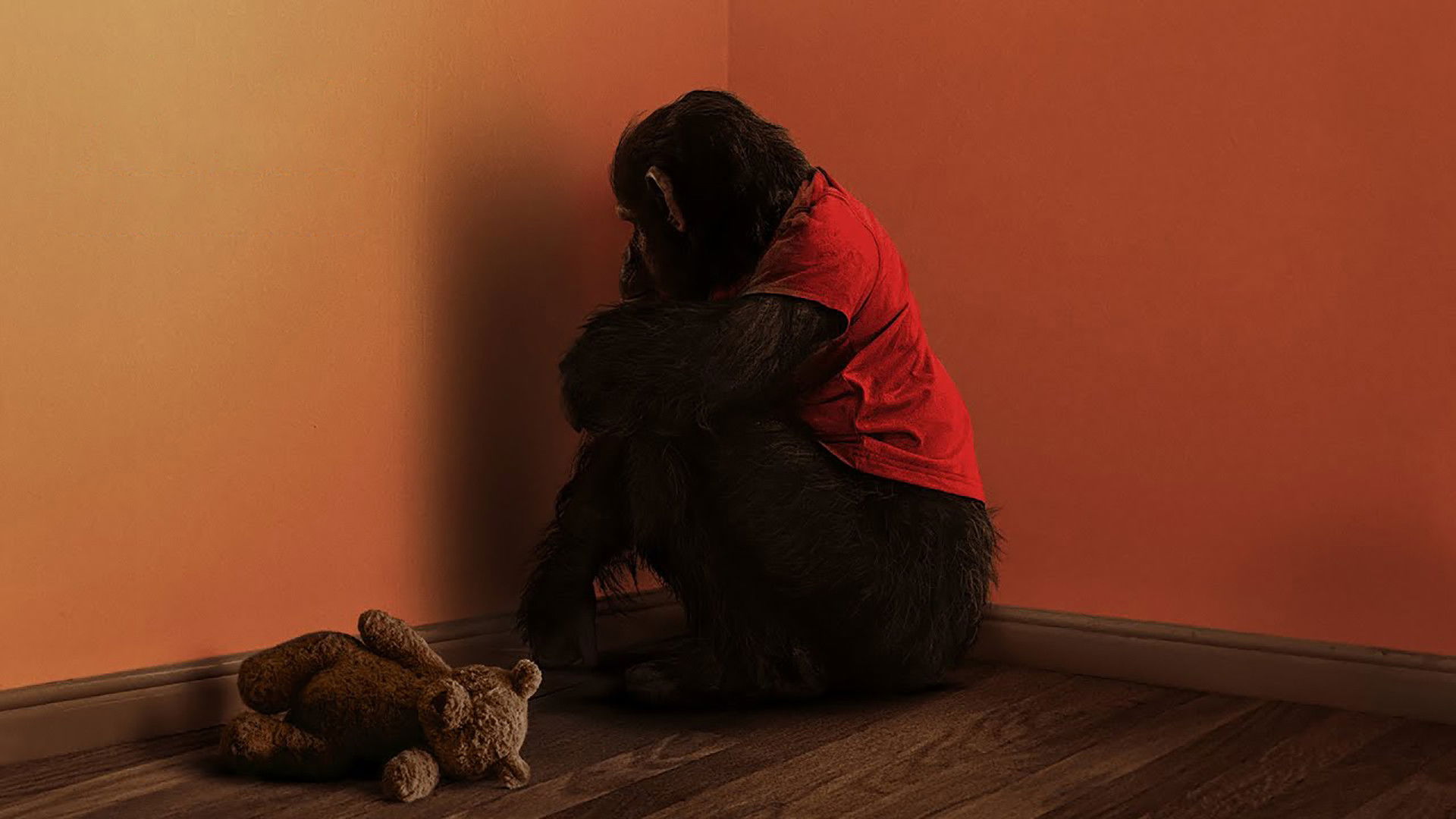
Image via Paramount Pictures 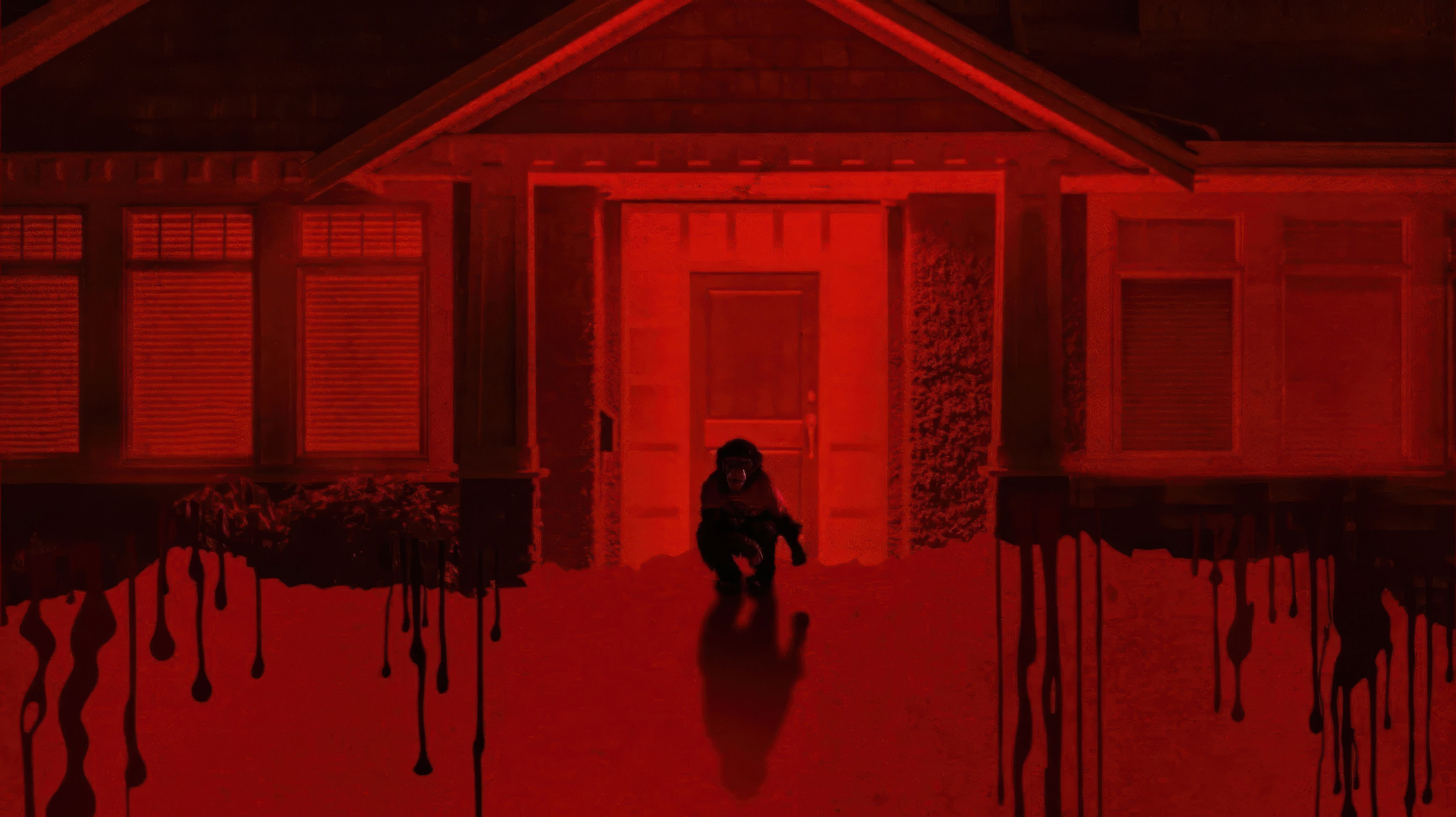
Image via Paramount Pictures 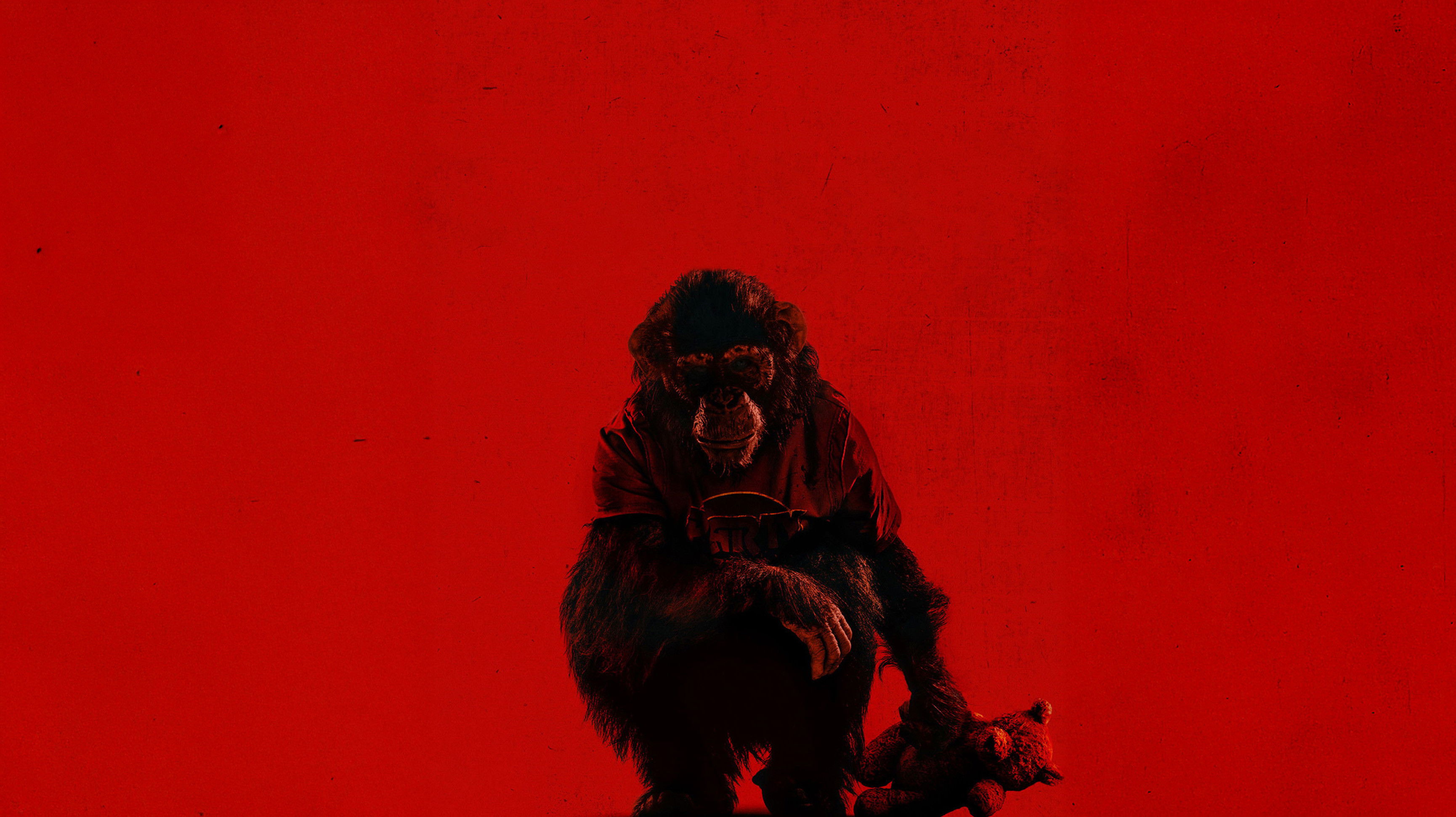
Image via Paramount Pictures 
Image via Paramount Pictures 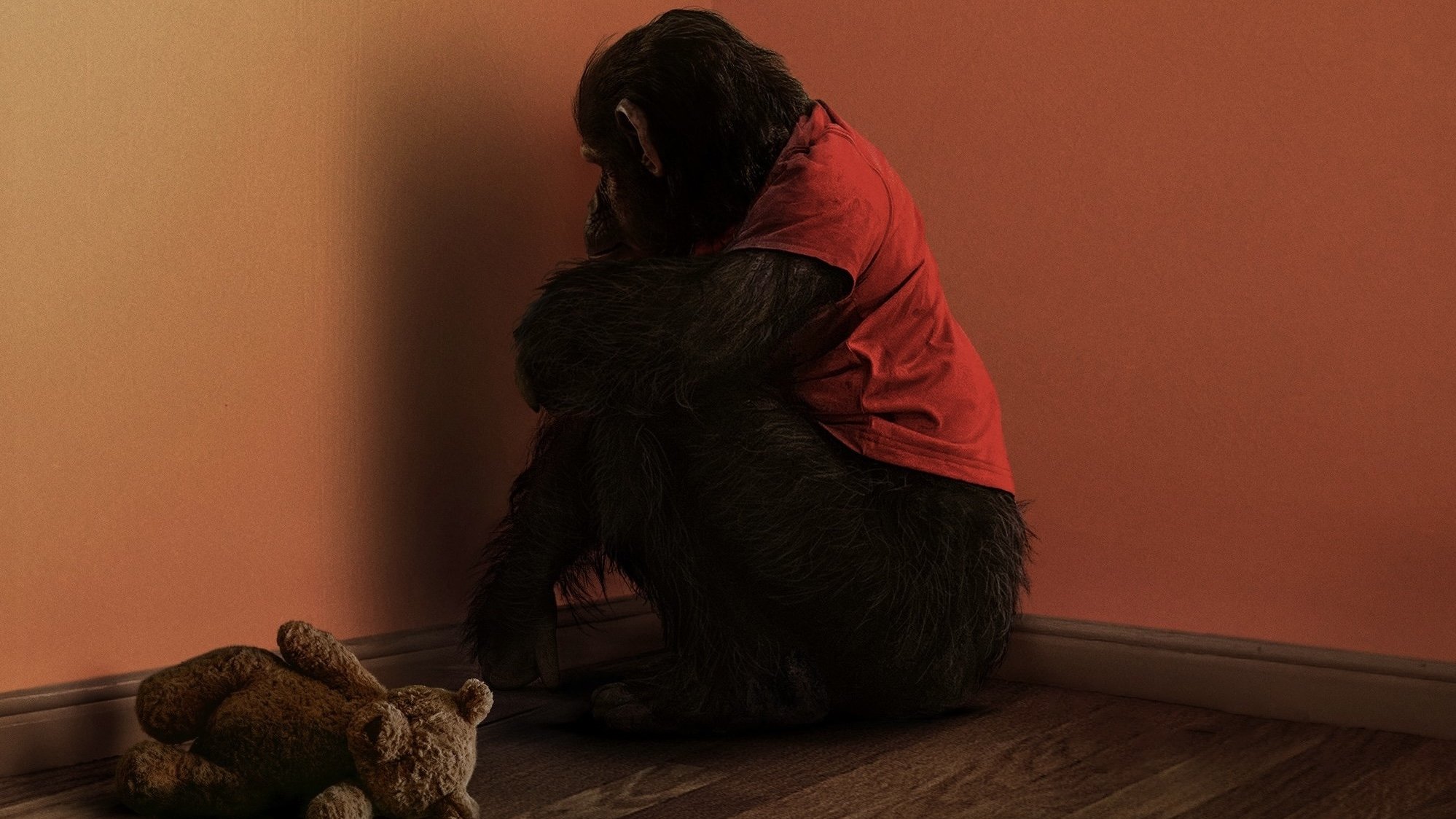
Image via Paramount Pictures 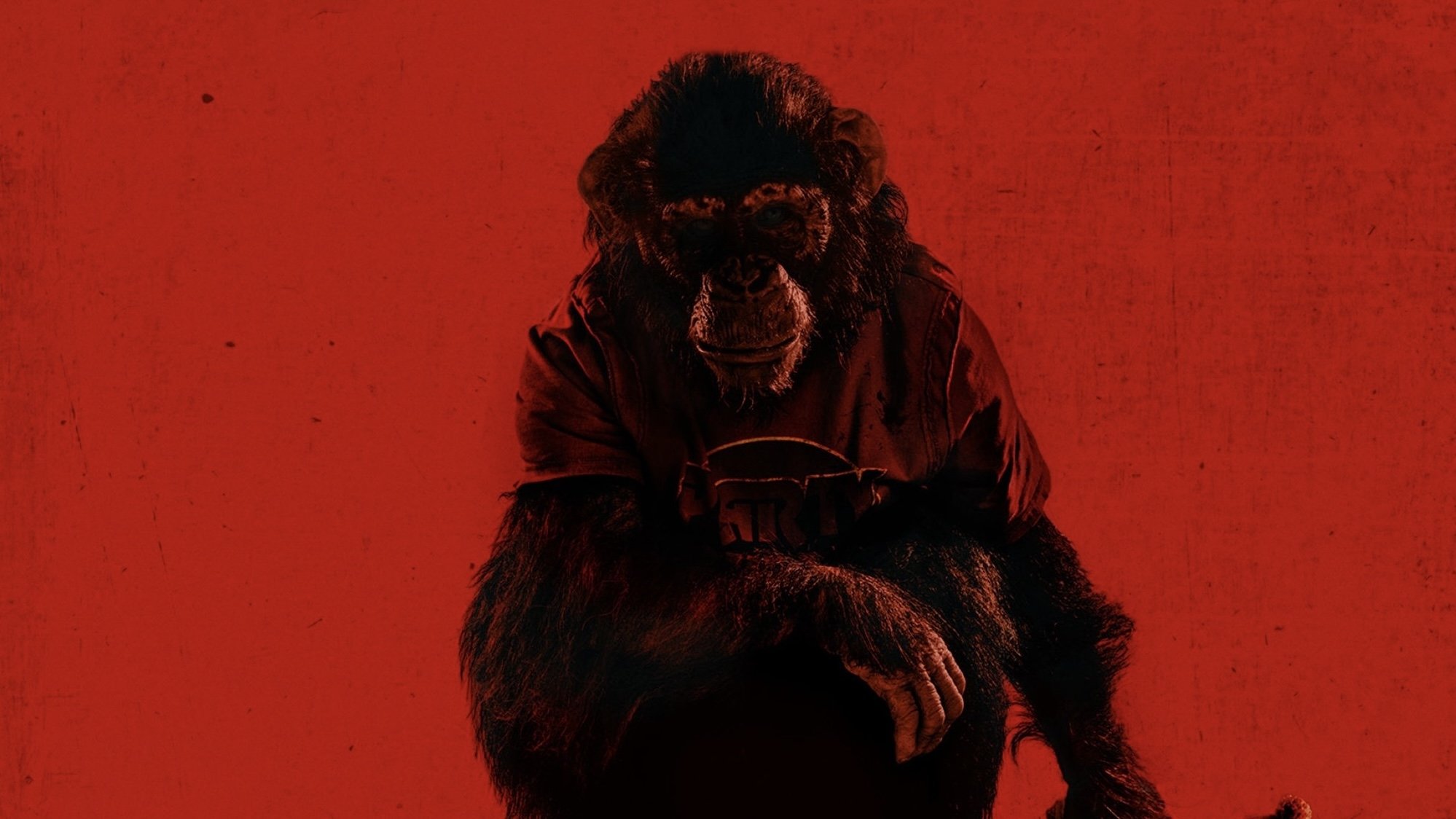
Image via Paramount Pictures 
Image via Paramount Pictures 
Image via Paramount Pictures 
Image via Paramount Pictures 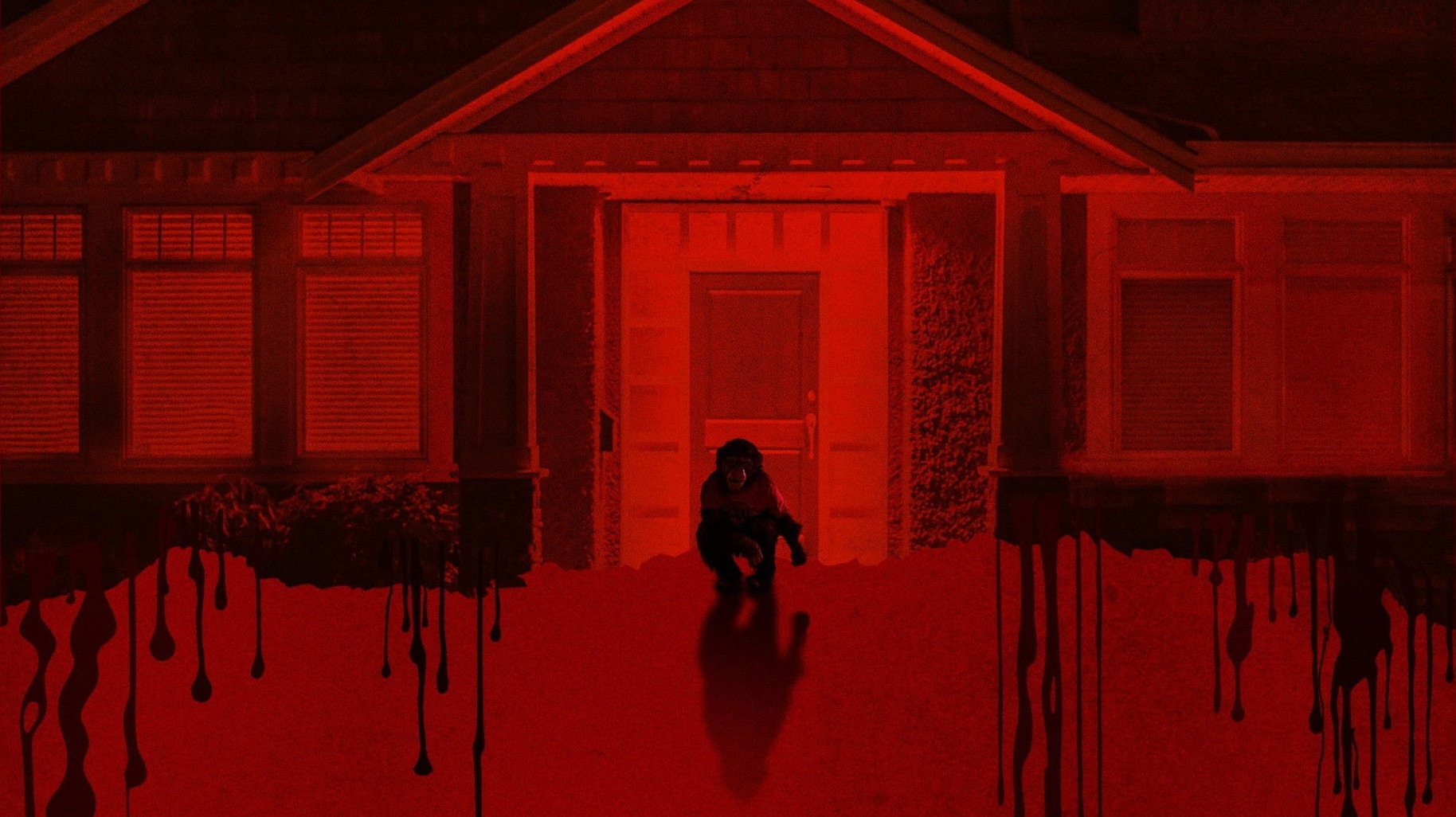
Image via Paramount Pictures 
Image via Paramount Pictures 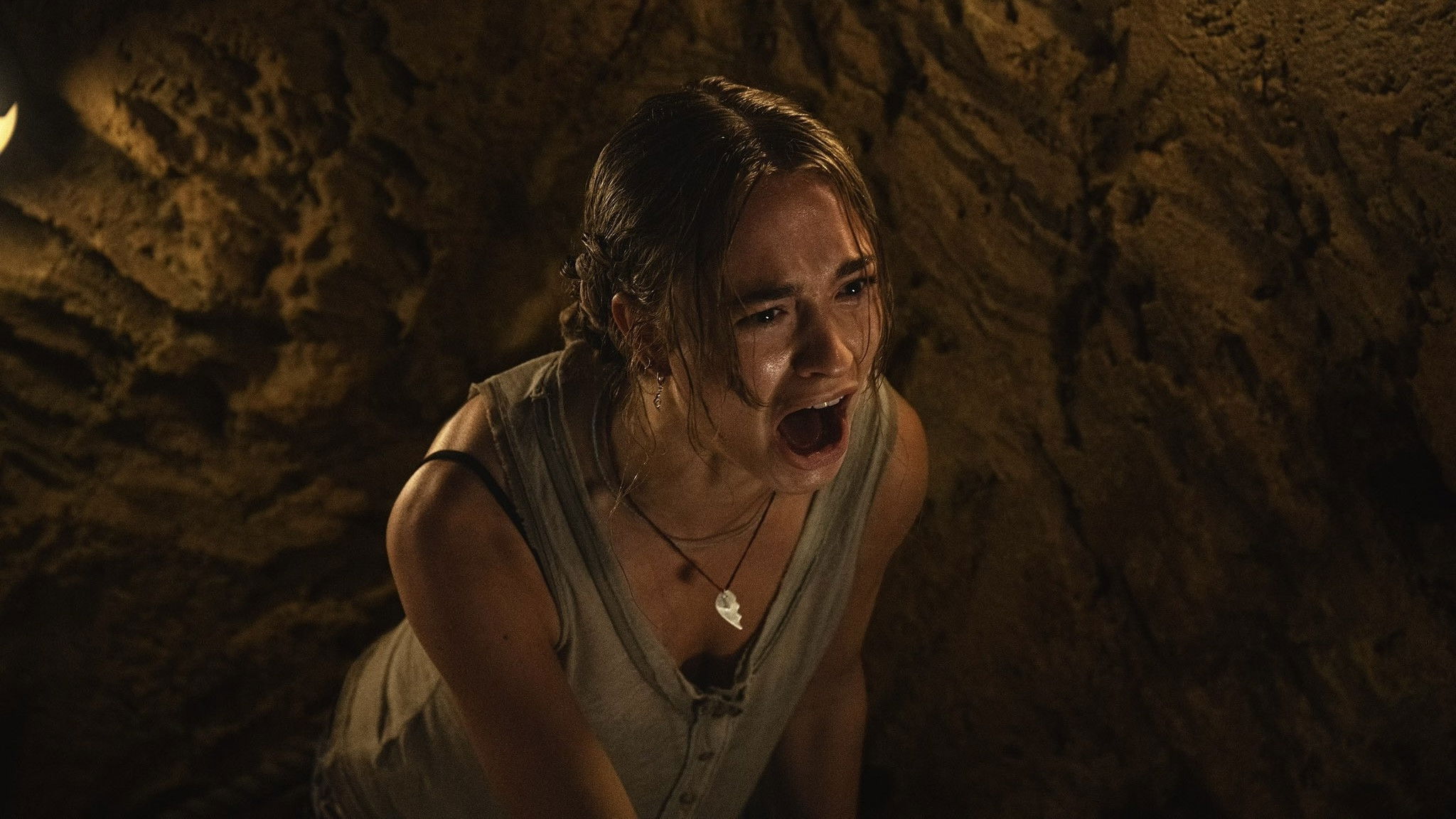
Image via Paramount Pictures 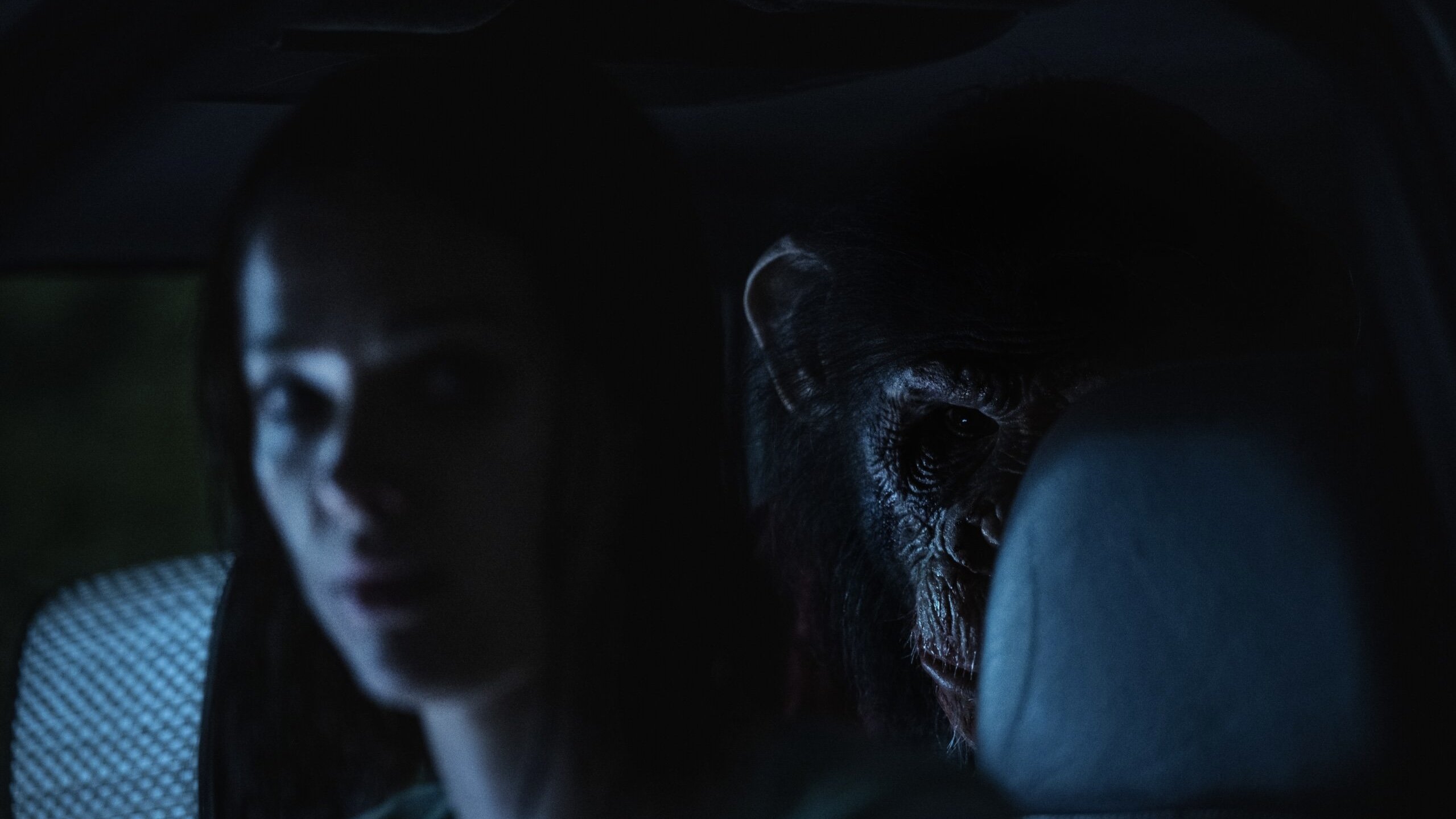
Image via Paramount Pictures 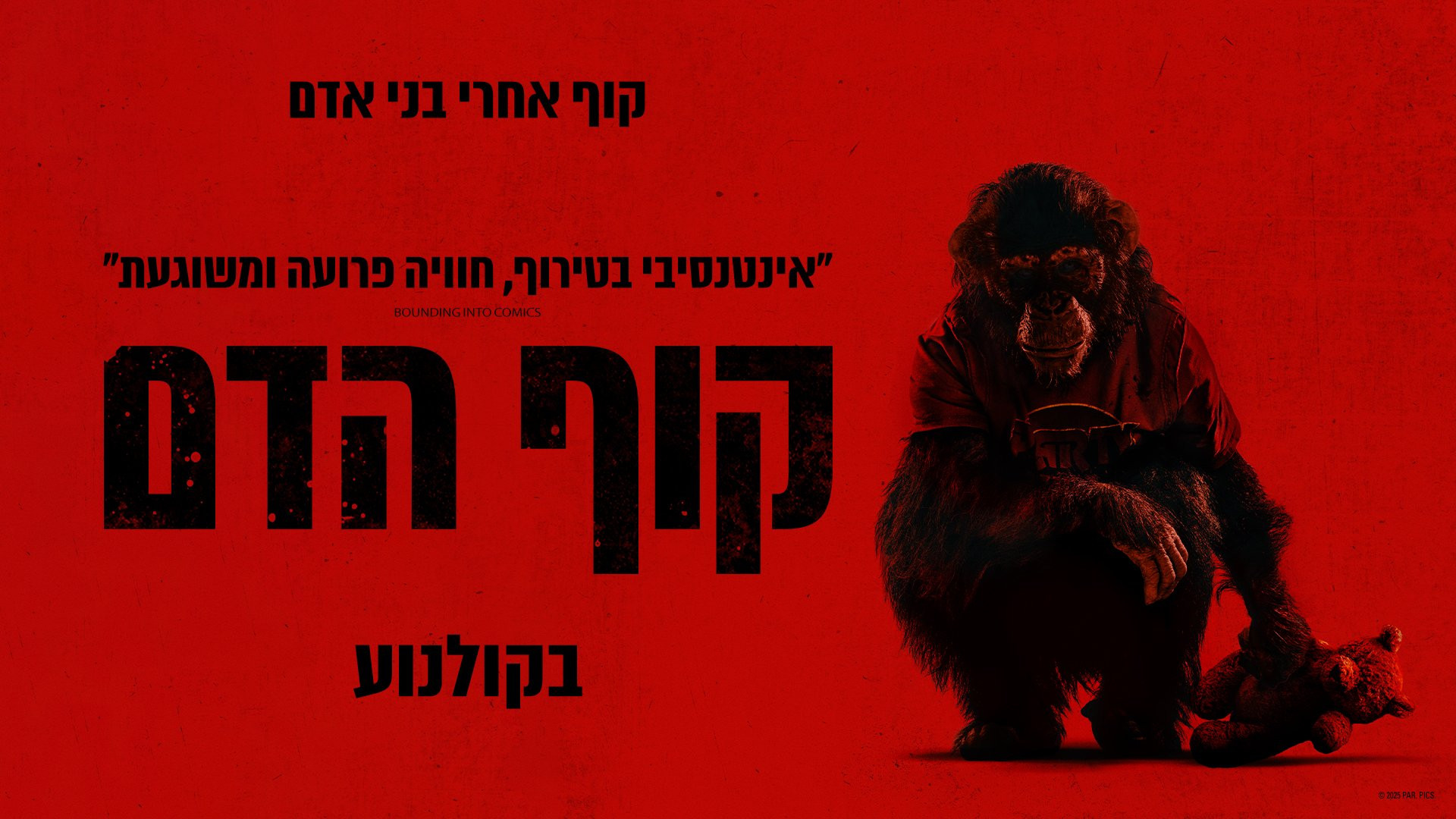
Image via Paramount Pictures 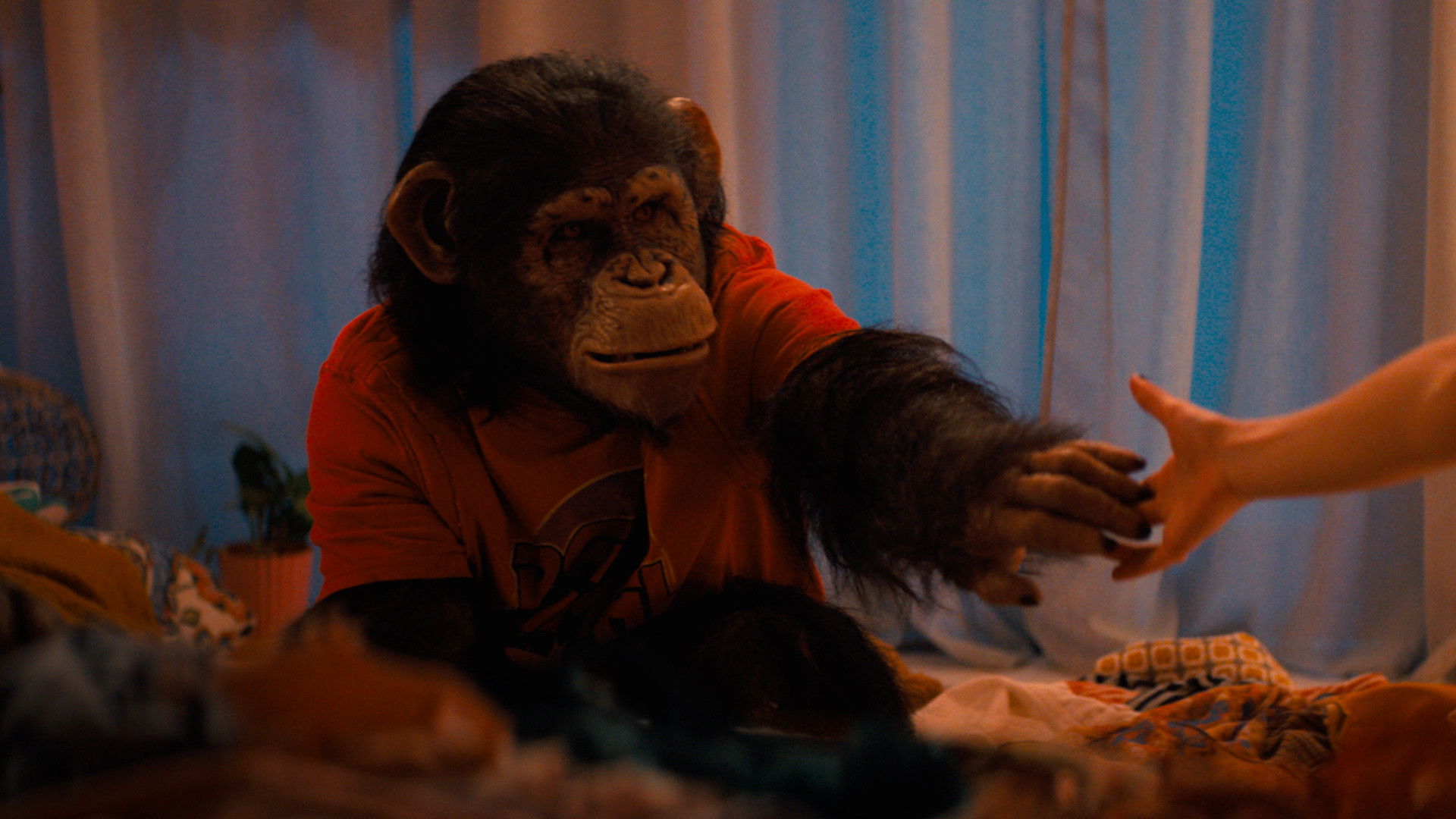
Image via Paramount Pictures 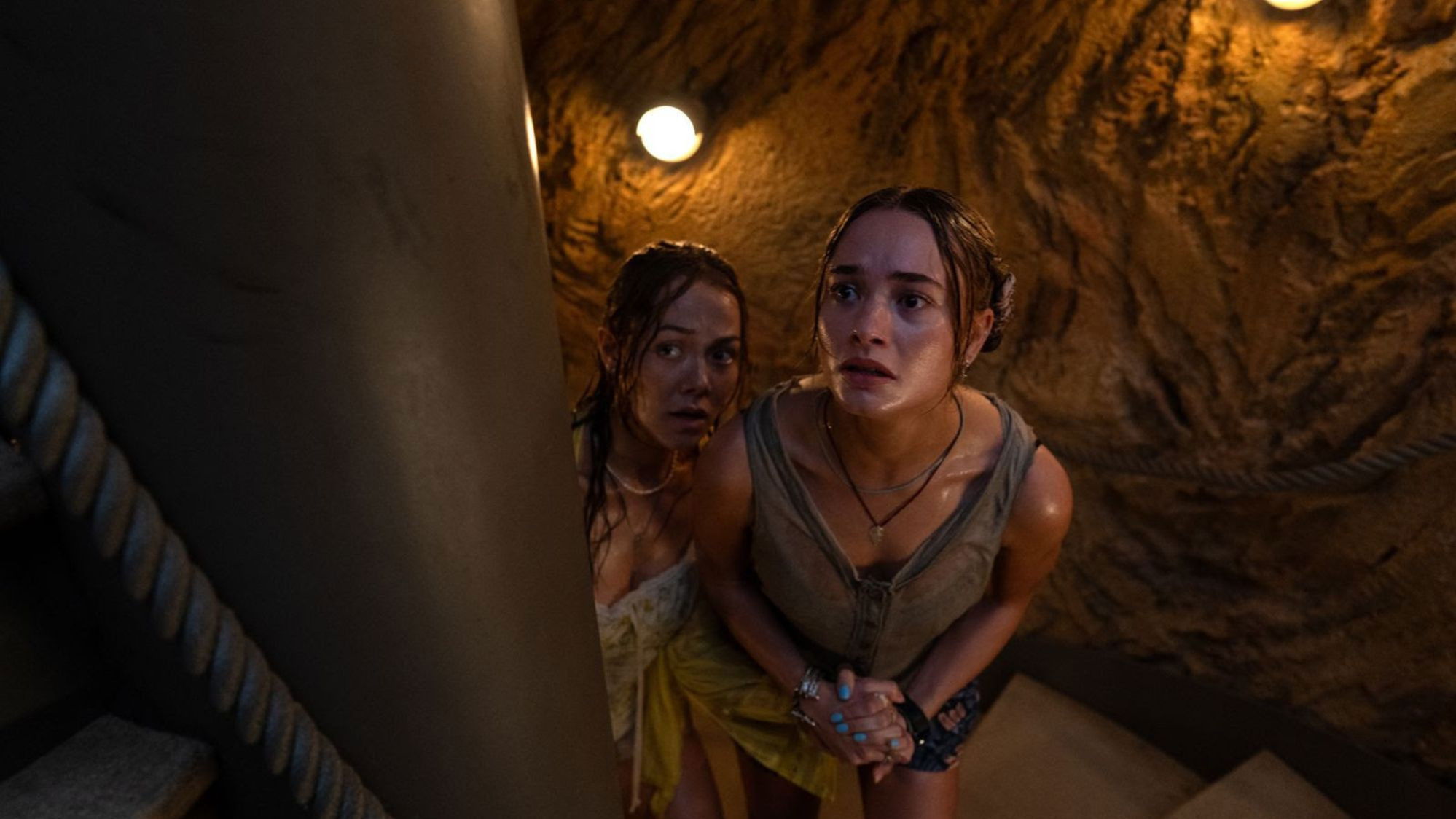
Image via Paramount Pictures 
Image via Paramount Pictures 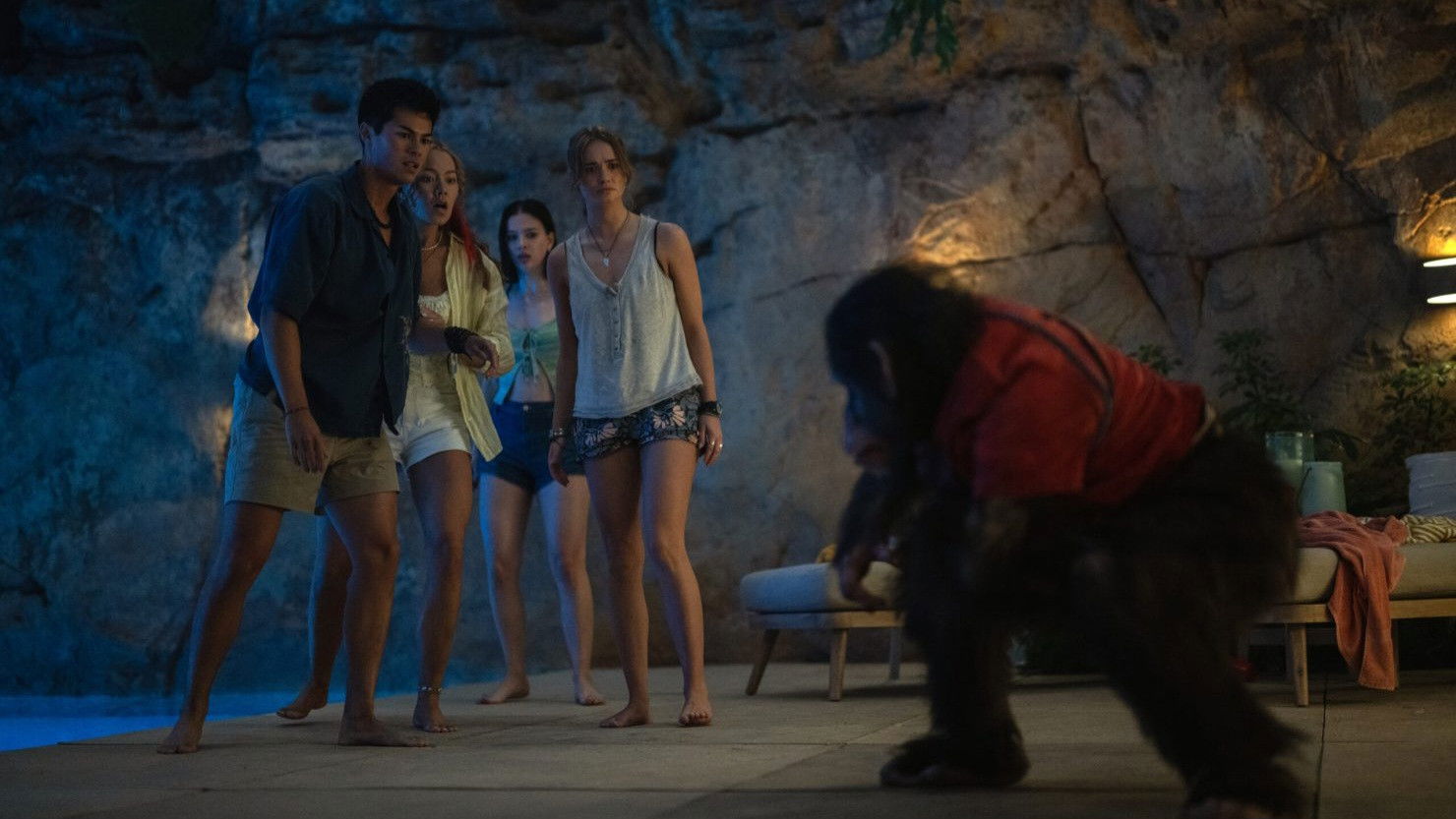
Image via Paramount Pictures 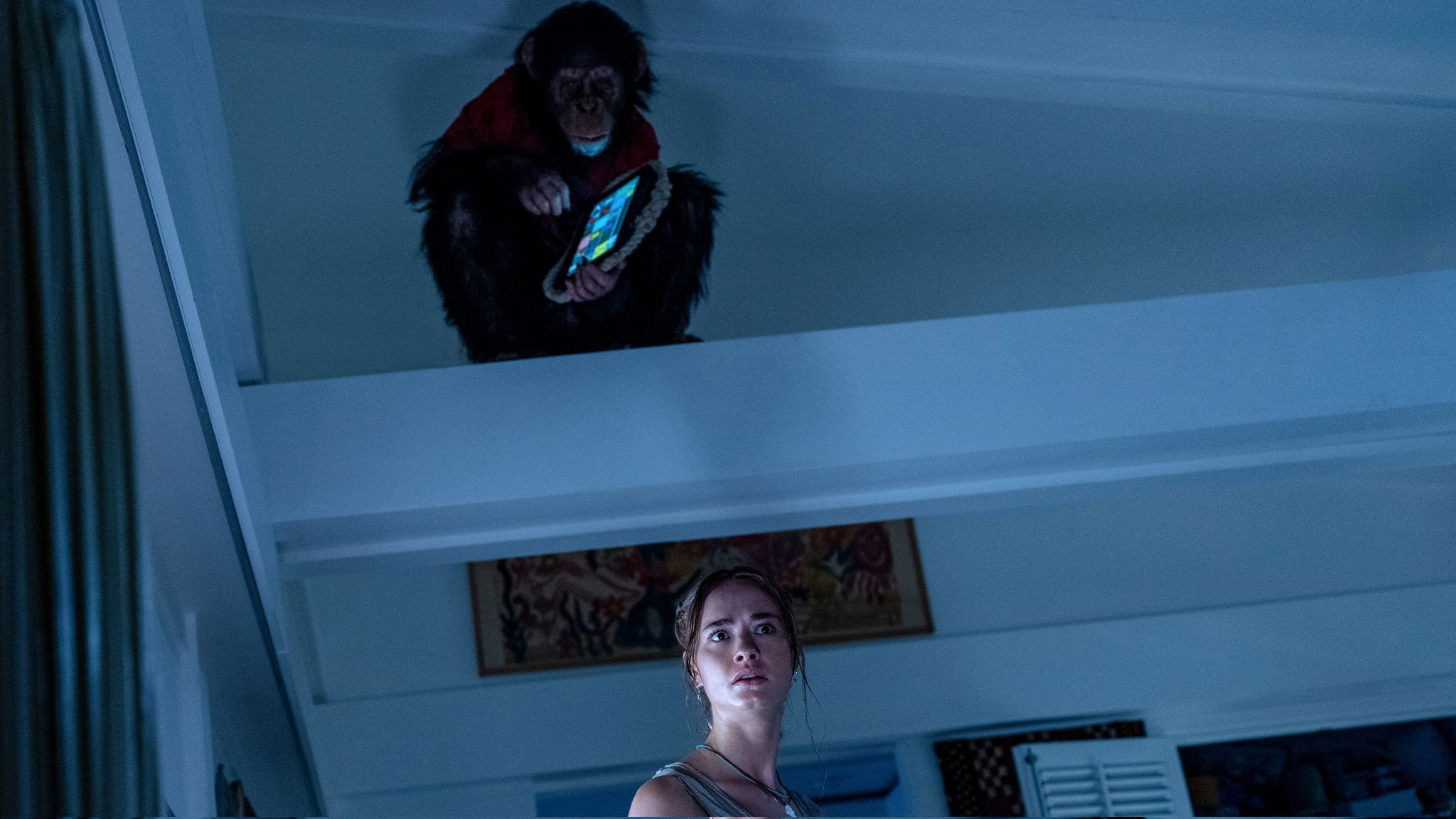
Image via Paramount Pictures 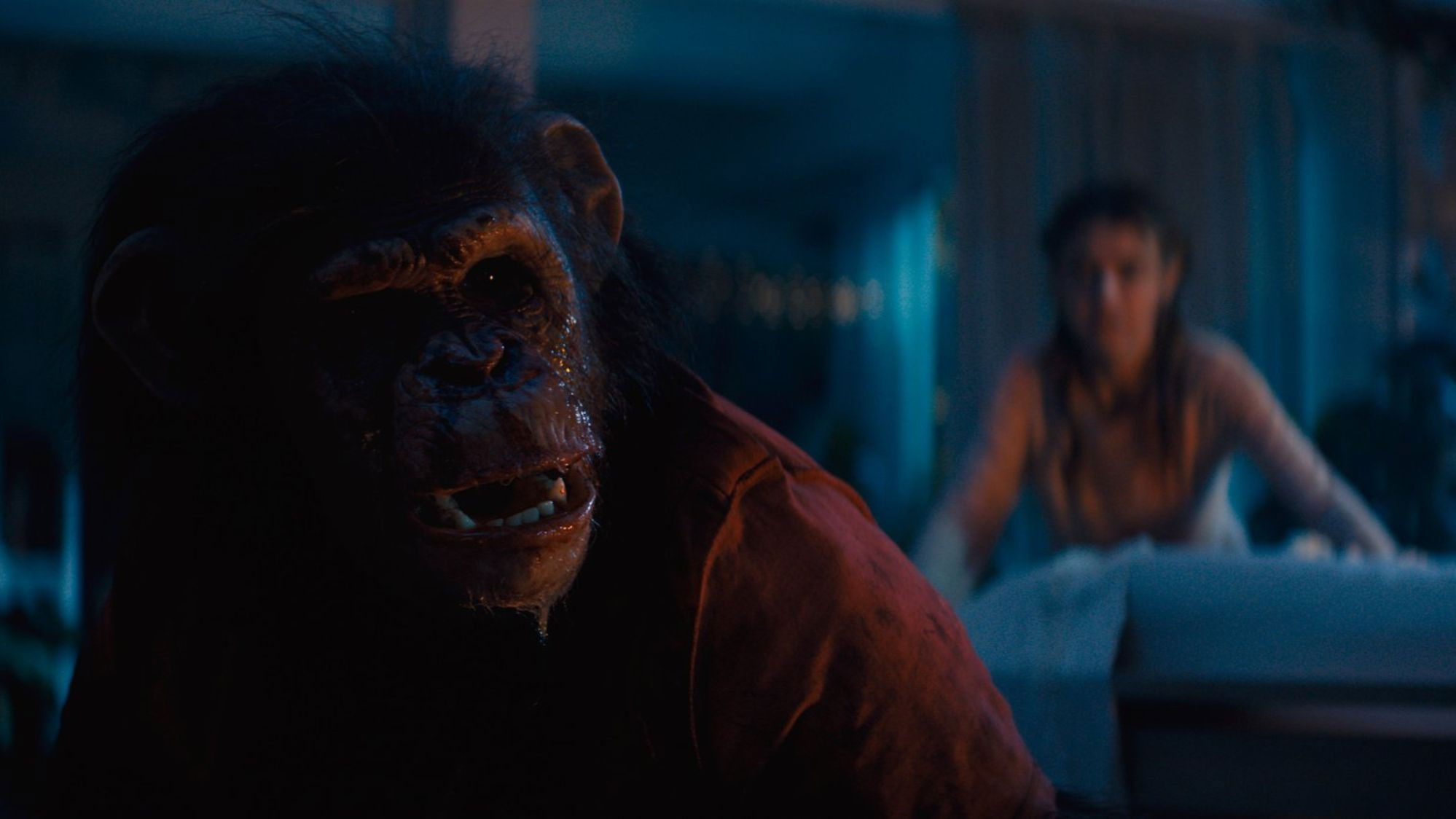
Image via Paramount Pictures 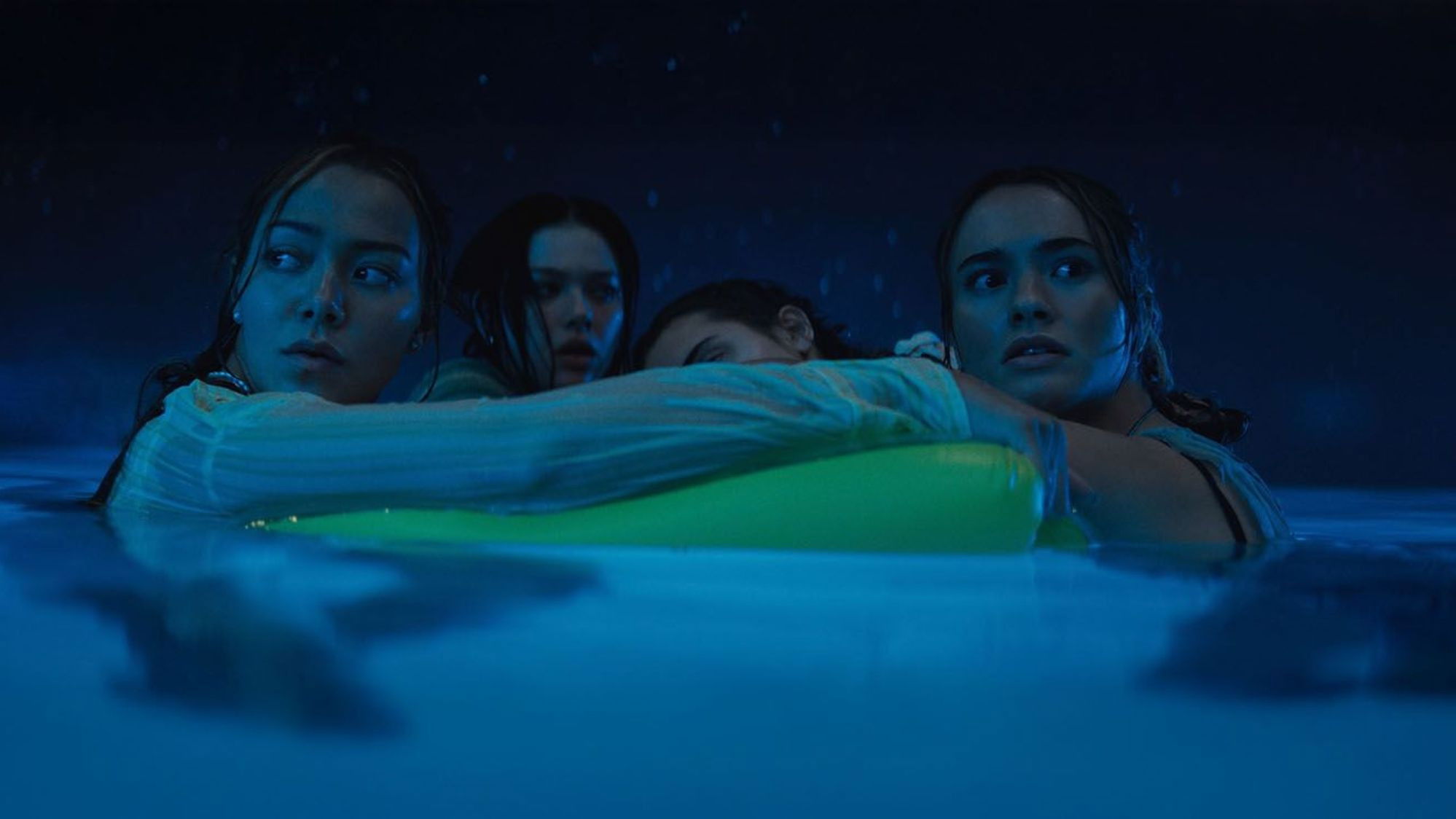
Image via Paramount Pictures 
Image via Paramount Pictures 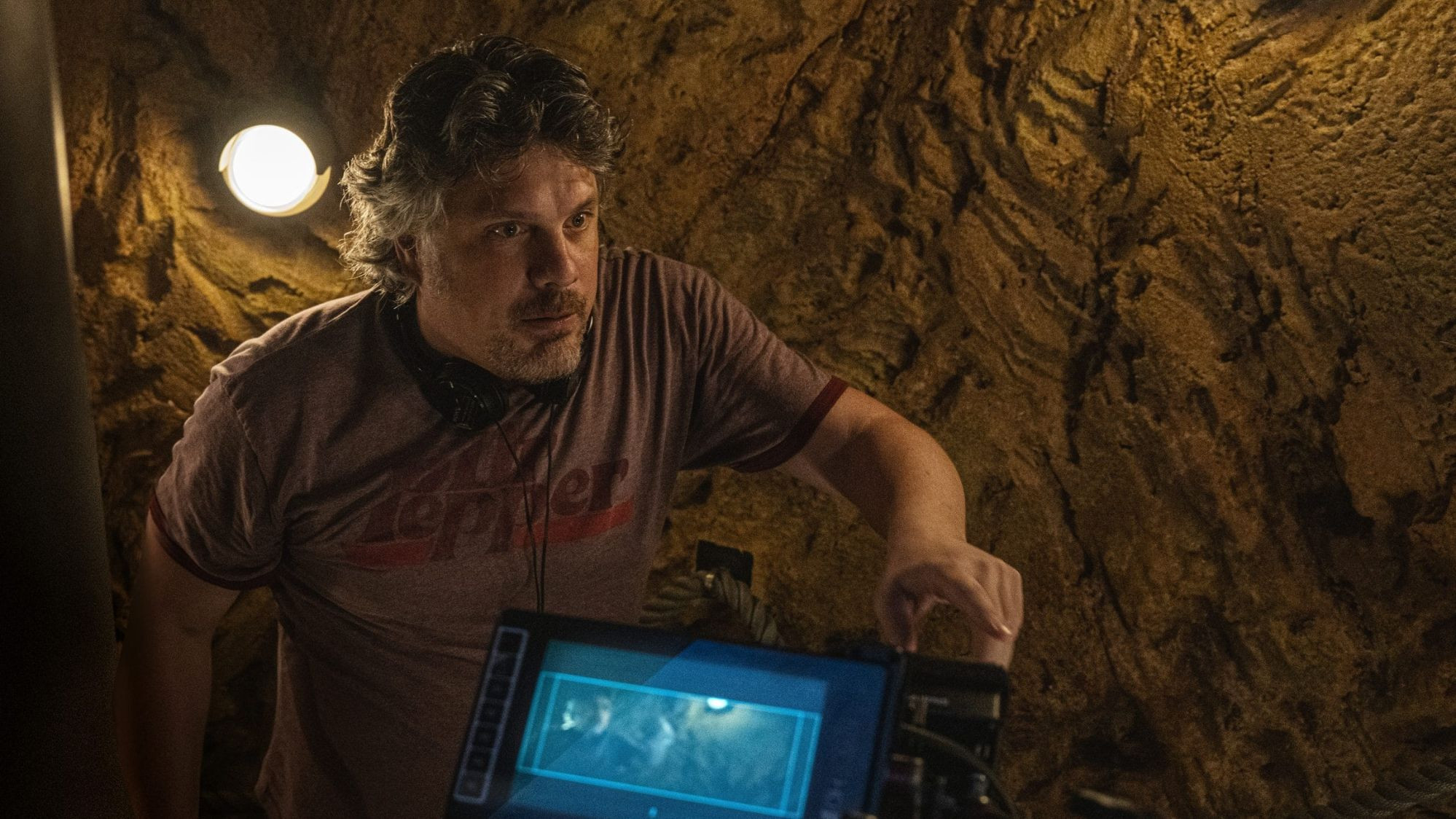
Image via Paramount Pictures 
Image via Paramount Pictures 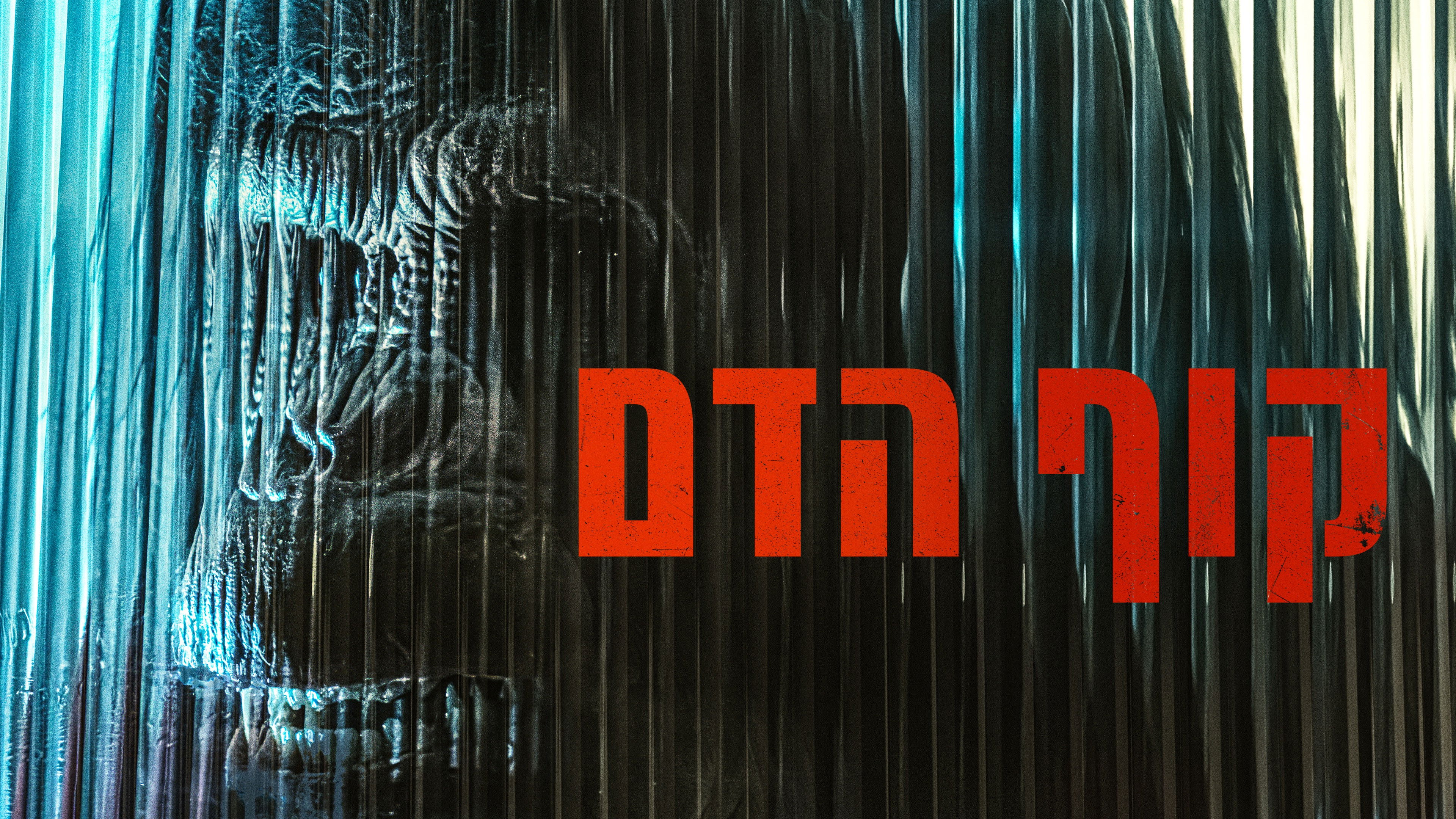
Image via Paramount Pictures 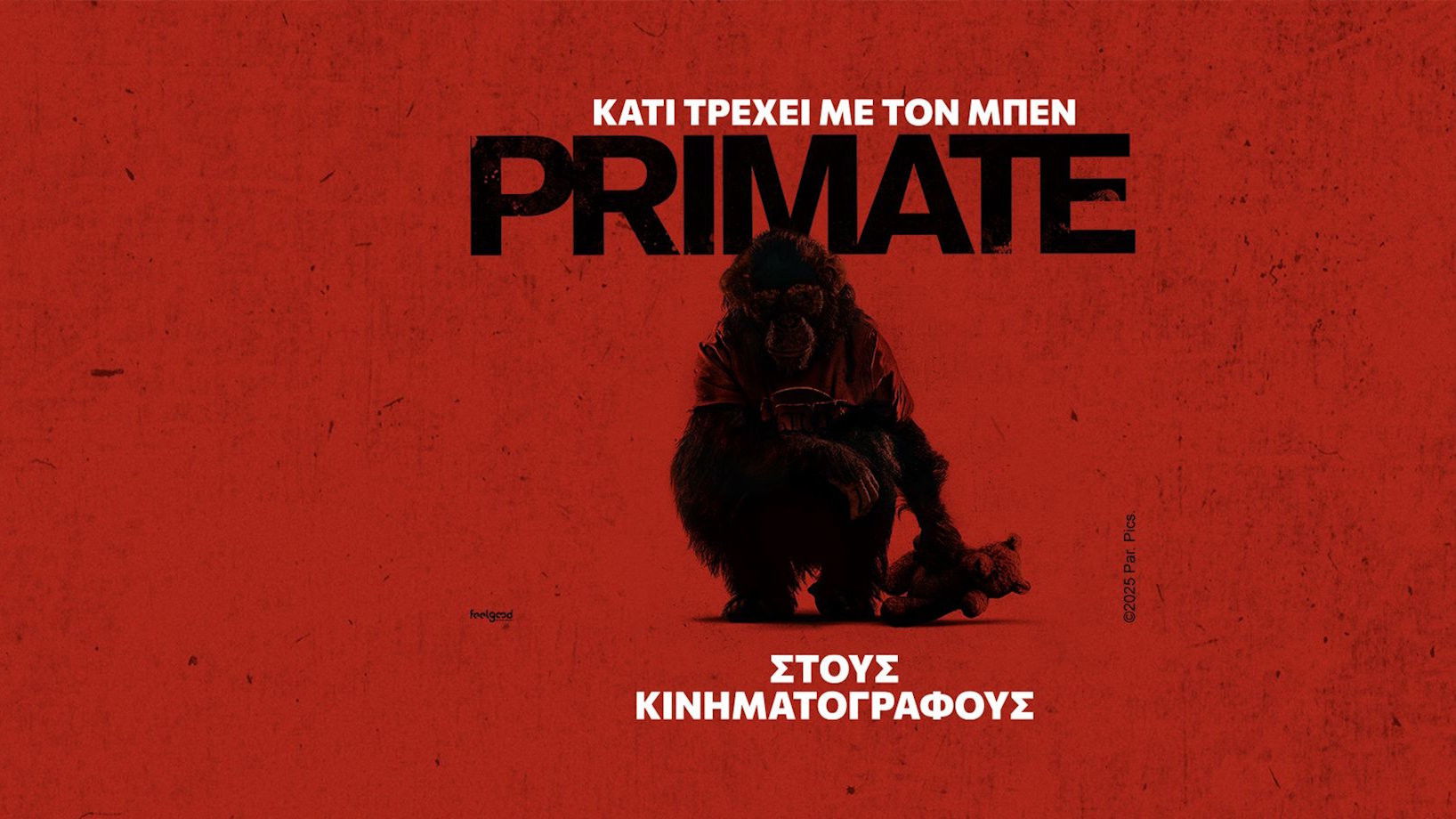
Image via Paramount Pictures 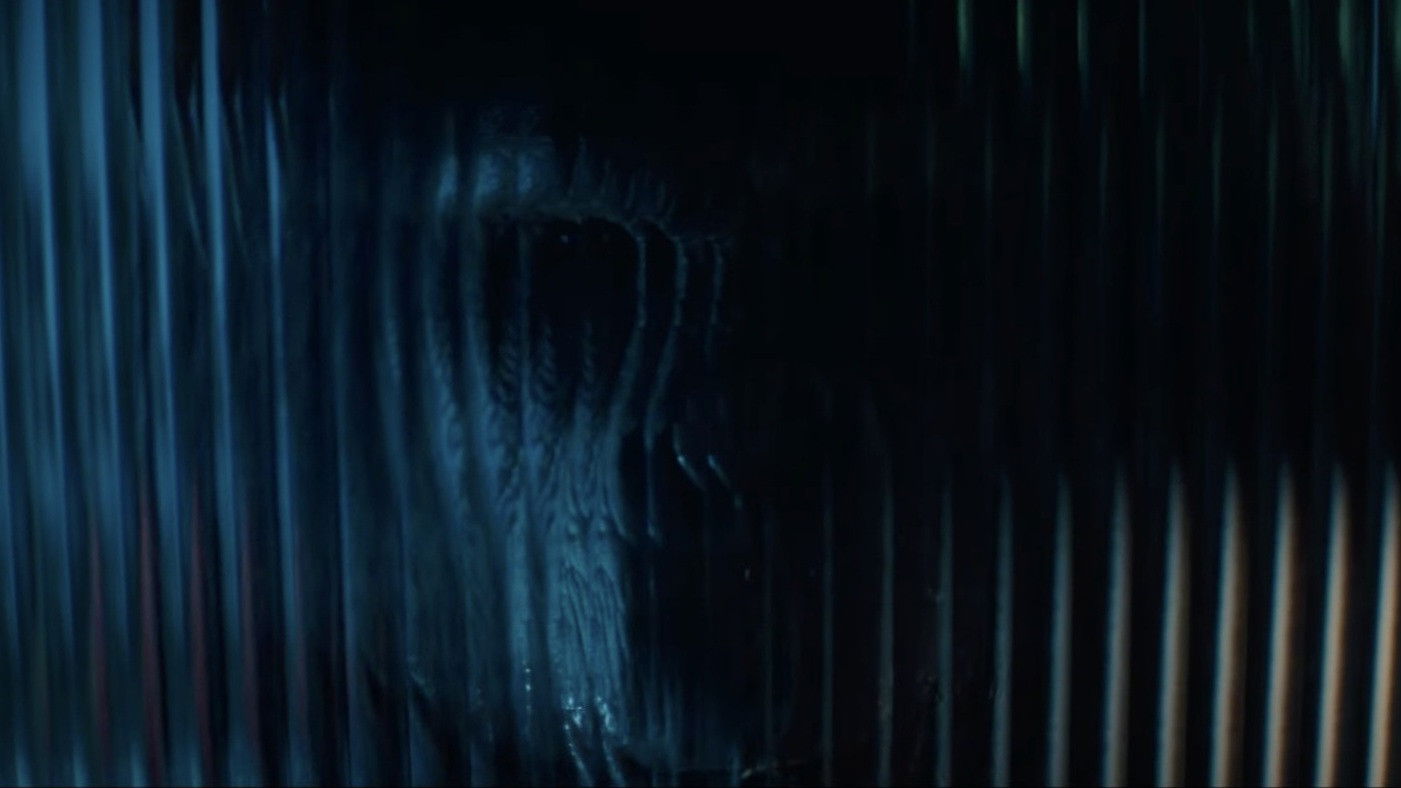
Image via Paramount Pictures 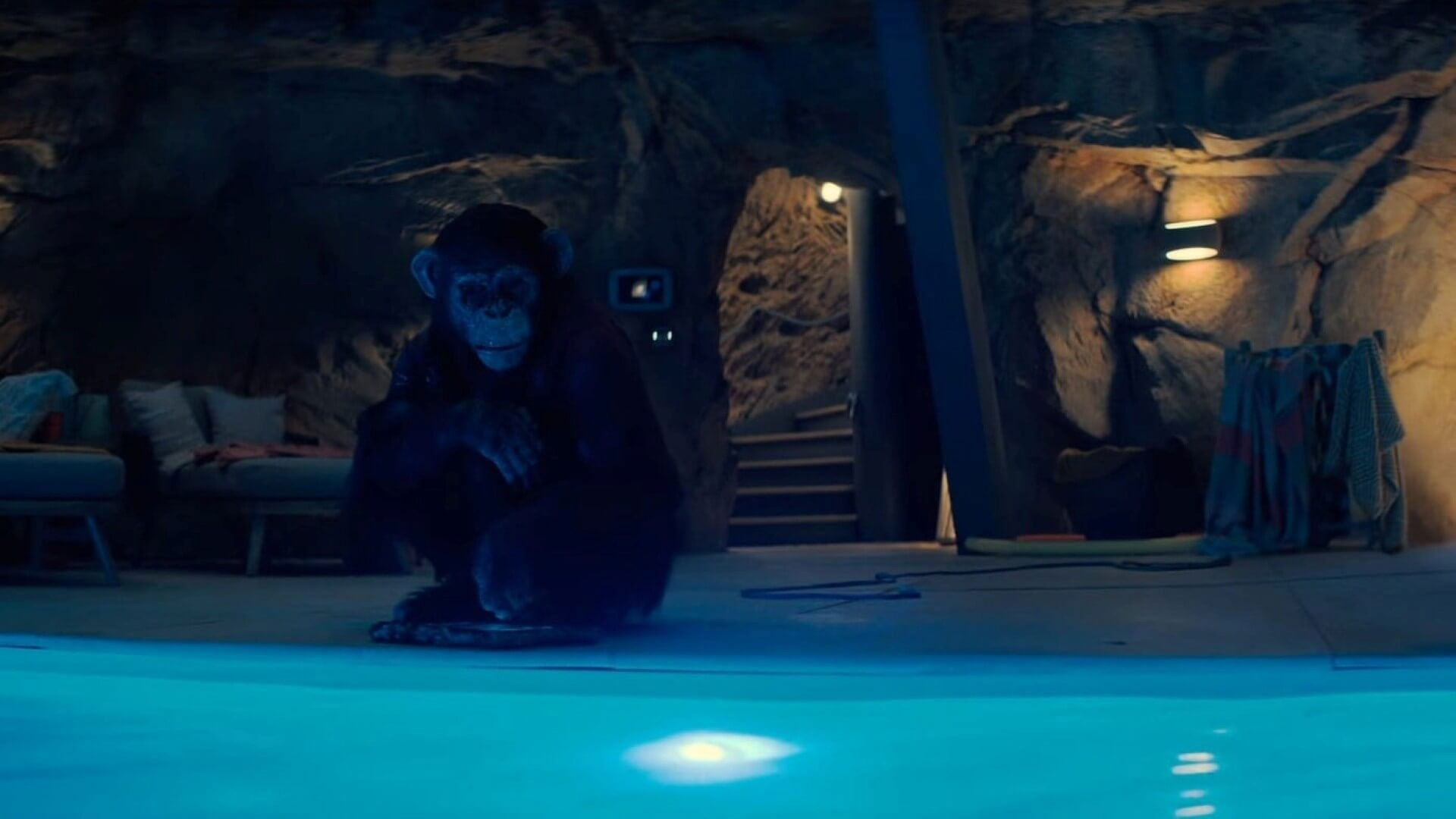
Image via Paramount Pictures 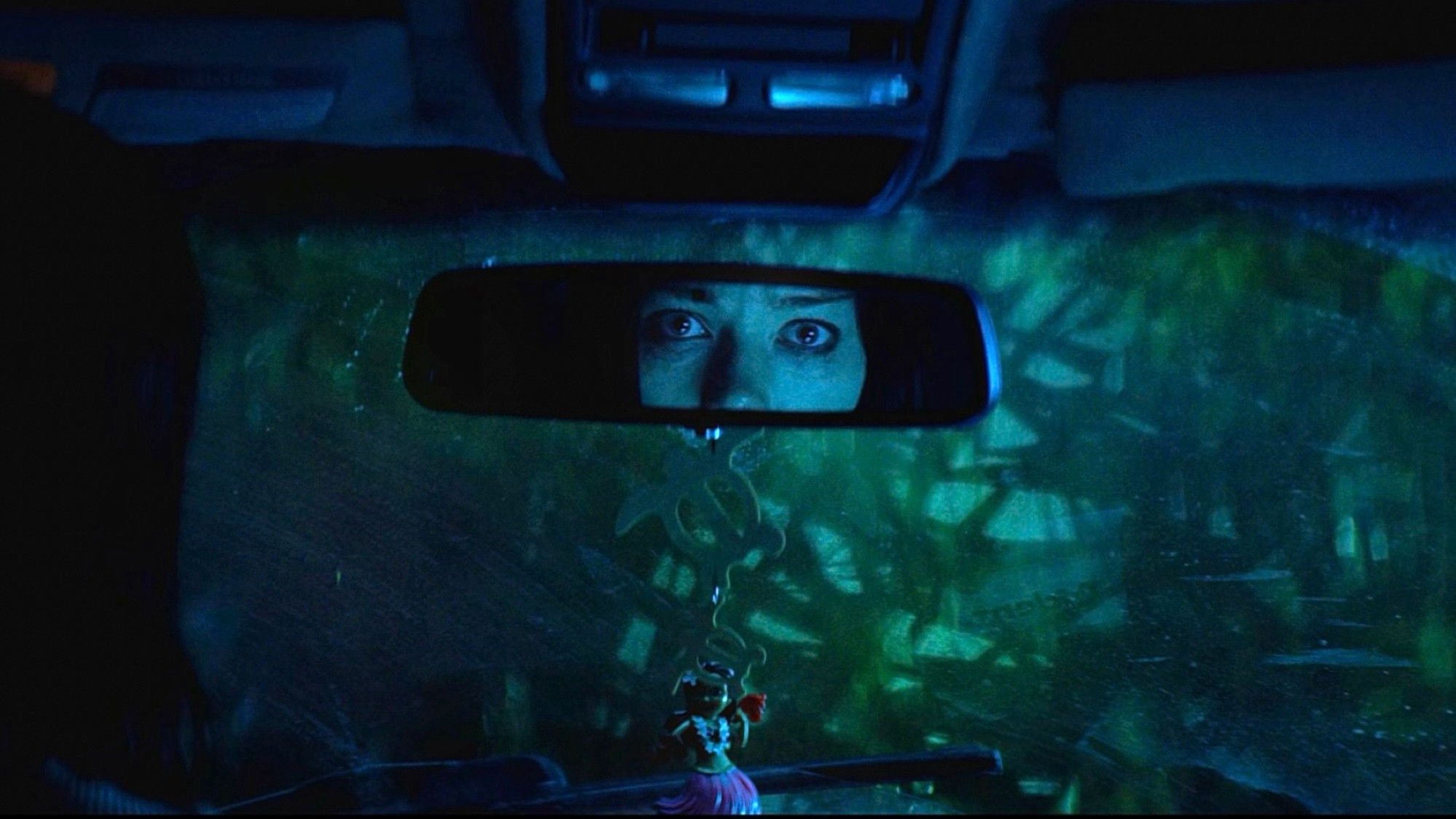
Image via Paramount Pictures 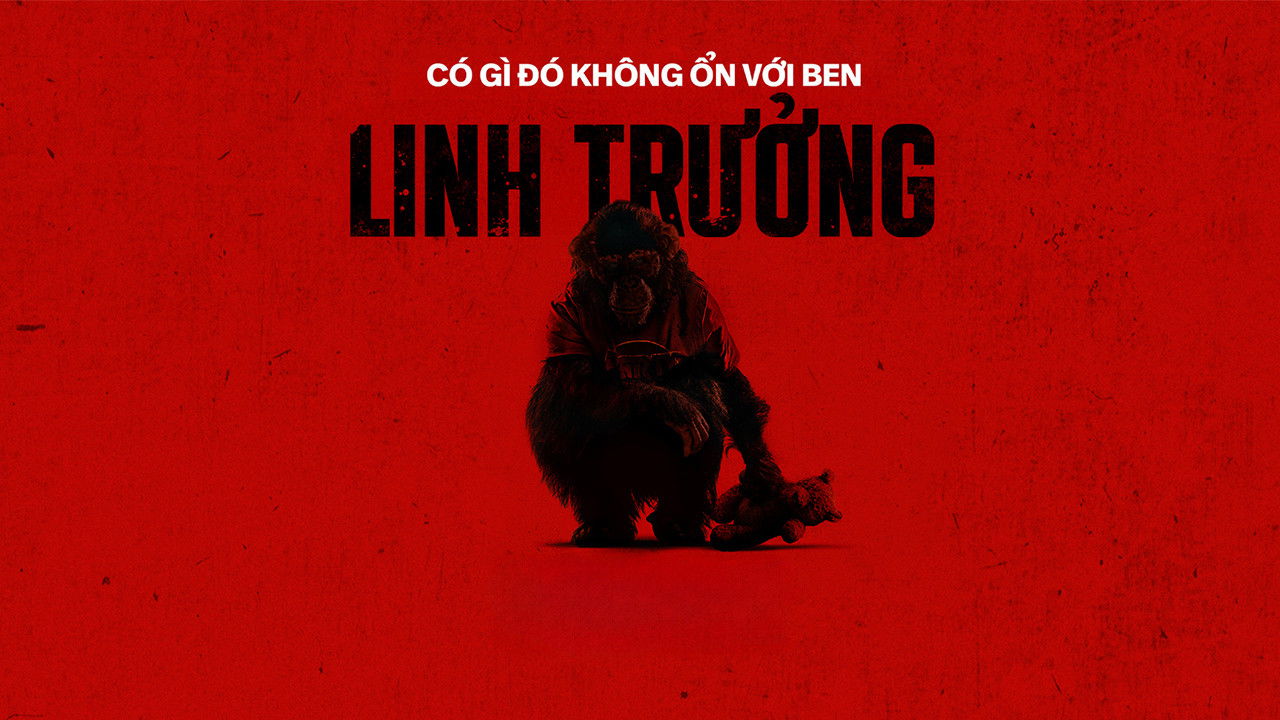
Image via Paramount Pictures 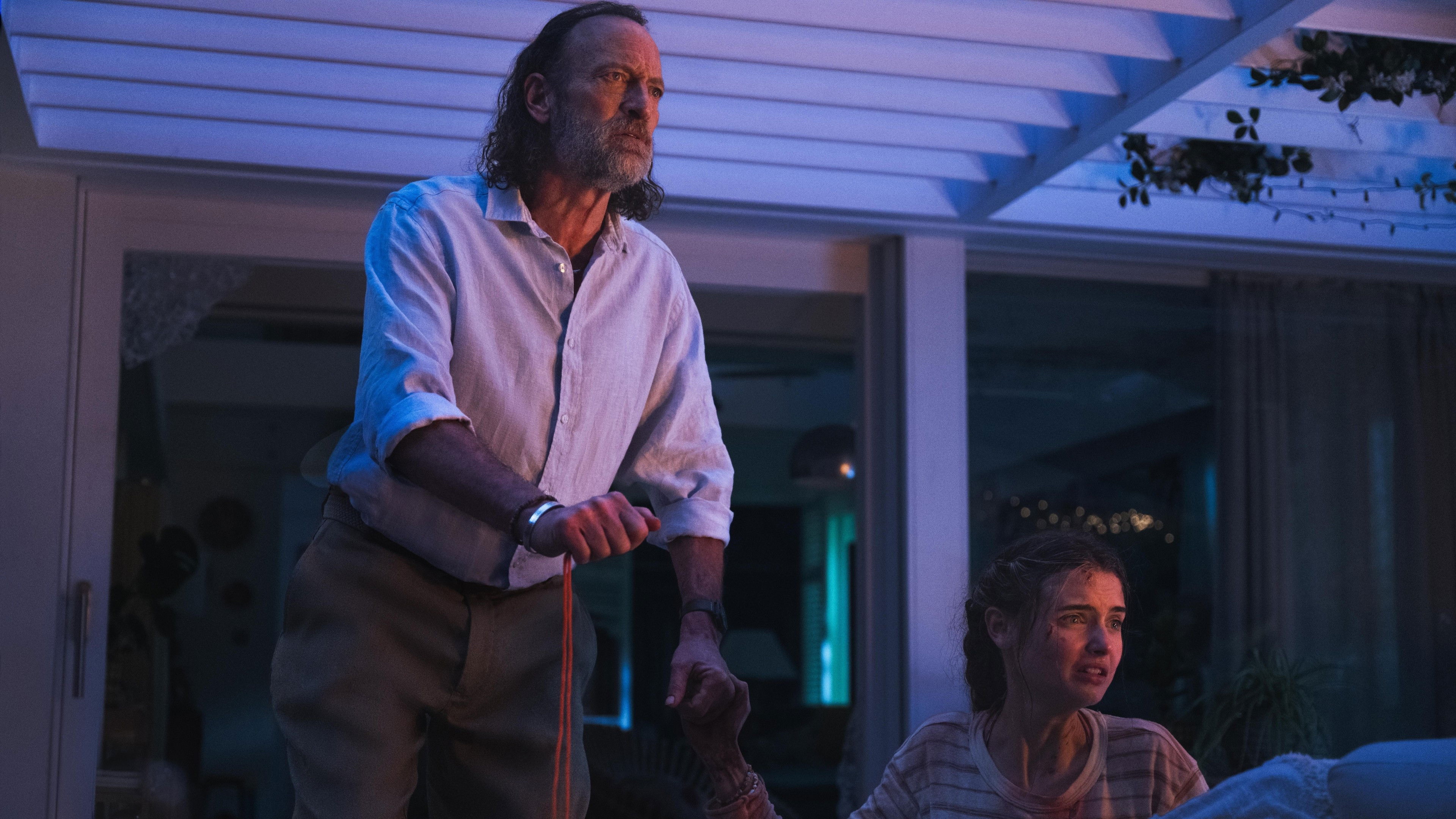
Image via Paramount Pictures 
Image via Paramount Pictures
Plot Summary & Narrative Structure
The narrative of Primate wastes no time, opening with a visceral prologue set in a remote Hawaiian home where a veterinarian, Dr. Doug Lambert, is horrifically killed by the family chimpanzee, Ben. The film then jumps back 36 hours to introduce Lucy, a college student returning to her cliffside family home in Hawaii after years away. She is joined by her best friend Kate, Kate’s brother Nick (Lucy’s crush), and an uninvited guest, Hannah, with whom Lucy has a tense relationship. The luxurious, isolated home is shared with Lucy’s deaf father, Adam, a famous novelist, her younger sister Erin, and Ben, the family’s intelligent, beloved pet chimp who communicates using a custom soundboard tablet.
The plot of Primate escalates when Adam discovers a dead mongoose in Ben’s enclosure with a bite mark on it. Unbeknownst to the family, this mongoose was rabid, an unprecedented event in Hawaii. Adam leaves the group alone for a book signing, and as the friends enjoy the home’s infinity pool, Ben succumbs to the rabies infection. He brutally kills the returning veterinarian and escapes his enclosure, trapping Lucy, her friends, and her sister in and around the pool—their only sanctuary, as the hydrophobic chimp cannot swim. The remainder of the film is a relentless, slasher-style survival gauntlet as the rabid Ben systematically stalks and eliminates the group with shocking brutality. Each character’s attempt to escape, call for help, or fight back is met with cruel, intelligent countermeasures from the once-friendly ape. The story culminates in a desperate final confrontation when Adam returns home, forcing the surviving family members to face the tragic reality of fighting a beloved member of their family who is now a primordial killing machine.
Cast & Characters – Survivalists vs. The Beast













The cast of Primate brings to life a set of archetypal horror characters, with the true star being the creature itself. Johnny Sequoyah leads as Lucy, the film’s moral and emotional anchor. As the daughter who has been distant since her mother’s death, her return home and subsequent fight for survival form the core human drama of Primate. Jessica Alexander portrays Hannah, the outsider whose presence adds tension to the group dynamic. Troy Kotsur, the Academy Award-winning actor from CODA, delivers a grounded and poignant performance as Adam, the deaf father whose communication barriers add a unique layer of tension and whose grief over Ben’s transformation is palpable. The supporting cast, including Victoria Wyant as Kate, Gia Hunter as Erin, and Benjamin Cheng as Nick, fulfill their roles as potential victims in the chimp’s deadly game.
However, the undisputed standout performance in Primate belongs to Miguel Torres Umba, the movement specialist who portrays Ben the chimpanzee. In a masterstroke of practical effects, Ben is realized not through CGI but through an actor in an incredibly detailed and expressive prosthetic suit created by Millennium FX. This choice gives Ben a tangible, frightening physical presence. Umba’s performance captures the unsettling shift from intelligent, almost human-like pet to a feral, rage-filled predator. The “creepiest element,” as noted by critics, is “how thoughtful Ben seems in his actions,” a quality that comes through powerfully in Umba’s physical acting. For a comprehensive look at the film’s development and production, you can visit the Wikipedia page for Primate (film). The combination of this practical suit and Umba’s performance makes Ben one of the most memorable and effective horror antagonists in recent years.
Production, Direction & Style – A Homage to Practical Horror
Primate is the brainchild of director Johannes Roberts, known for efficient genre fare like *47 Meters Down* and *The Strangers: Prey at Night*. Roberts co-wrote the script with Ernest Riera, and their approach for Primate was clear: craft a straightforward, suspense-driven creature feature that prioritizes visceral impact over complex plotting. Roberts has cited the classic Stephen King adaptation *Cujo* (1983) as a primary inspiration, aiming to capture that film’s claustrophobic terror and tragic underpinnings. The production was spearheaded by producer Walter Hamada, formerly of DC Films, through his first-look deal with Paramount Pictures.
The film’s greatest technical achievement is its commitment to practical effects. The decision to have Miguel Torres Umba perform in a full chimp suit, crafted by the renowned Millennium FX, defines the look and feel of Primate. This practical approach allows for more immersive and frightening interactions between the actors and the monster, with the gore and kills executed through prosthetics for maximum gruesome realism. Cinematographer Stephen Murphy and editor Peter Gvozdas create a visually tense experience, using the stunning but isolating Hawaiian cliffside location to its full advantage. Sweeping shots emphasize the characters’ remoteness, while tight, claustrophobic framing amplifies the terror of Ben’s attacks. Composer Adrian Johnston contributes a score that pays direct homage to 1980s horror, with a recurring theme reminiscent of John Carpenter’s *Halloween*, further cementing Primate’s throwback aesthetic. The direction and style of Primate are unapologetically focused on delivering a single, powerful experience: the thrill of a well-executed, brutal creature feature.
Critical & Audience Reception – A Divisive but Effective Thrill Ride
Upon its release, Primate garnered a generally positive response from critics, particularly those with an appreciation for the genre. The film holds a “Certified Fresh” 78% rating on Rotten Tomatoes based on 179 reviews, with the critical consensus reading: “That’s one bad ape, and Primate is one lean, mean, effective chiller.” Reviewers widely praised the film’s pace, practical effects, and its success as a pure, adrenaline-pumping genre exercise. Clint Worthington of RogerEbert.com awarded it three out of four stars, noting it “gets you in and out of the theater in less than 90 minutes, squirming in your seat and yelling at the screen.” Meagan Navarro of Bloody Disgusting gave it 3.5/5, calling it “an adrenaline rush of fun.”
However, Primate also received its share of criticism, which largely centered on its simplistic characterizations and predictable plot beats. Some critics argued that the characters are thin archetypes who “never deviate from their first impressions,” making it hard to form a deep emotional connection. The narrative was also noted for feeling derivative of other animal horror films like *Cujo*, with a “predictable range of motion”. On Metacritic, which uses a weighted average, Primate scored a 59 out of 100, indicating “mixed or average” reviews. Audience reception, as measured by CinemaScore, was a “B−” grade. Viewer reactions on platforms like IMDb are split, with many celebrating the film’s gory, unpretentious fun, while others critique its lack of depth and reliance on genre tropes. This divide perfectly encapsulates Primate: it is a film designed not for deep analysis, but for delivering a specific, thrilling, and gruesomely entertaining experience to its target audience.
Themes & Analysis – Tragedy, Trust, and Primal Fear
Beneath its surface of relentless violence, Primate explores several potent, if not overly complex, themes. The central theme is the **Tragedy of a Trusted Companion Turned Monster**. Ben is not a wild animal or a supernatural entity; he is a beloved family member. The horror in Primate stems from the brutal violation of that trust and the heartbreaking necessity of destroying a creature that is also a victim of a random, tragic infection. This adds a layer of melancholy to the carnage, as the characters are forced to fight a being they still see as family.
This connects to the theme of **The Illusion of Control and Domestication**. The Pinborough family, through Lucy’s late mother’s work, has elevated Ben beyond a pet to an intelligent communicator. Primate violently deconstructs this human arrogance, demonstrating that no amount of training or technology can override fundamental, primal instincts when triggered by disease. The film also engages with ideas of **Communication and Misunderstanding**. Adam’s deafness and reliance on sign language, Ben’s use of a soundboard, and the general failures of the group to effectively communicate or call for help all contribute to the escalation of the crisis. Finally, Primate functions as a pure **Exercise in Primal, Survivalist Fear**. By stripping the premise to its essentials—trapped group, unstoppable killer, isolated location—the film taps into a fundamental fear of being hunted by a stronger, smarter predator. It is a cinematic test of endurance, asking how long one can survive against a force of nature that was once a friend. The thematic weight of Primate is not in grand statements, but in this visceral, emotional conflict.
Positives / What Works – The Strengths of a Lean Machine
- Masterful Practical Effects & Creature Design: The decision to use a practical suit for Ben, performed by Miguel Torres Umba, is Primate’s greatest asset. It provides a tangible, frightening, and incredibly expressive antagonist that CGI rarely matches, making every attack feel visceral and real.
- Tight, Relentless Pacing: At 89 minutes, Primate is a model of economic storytelling. It establishes its premise quickly and then delivers a non-stop sequence of suspense, stalking, and gruesome payoffs, ensuring the audience is never bored.
- Effective Homage to Classic Horror: The film knowingly borrows from and pays respect to 1980s creature features and slashers, from its score to its isolated setting and archetypal characters. This nostalgic feel is executed with skill and affection.
- Strong Central Performance by Troy Kotsur: Kotsur brings gravitas and genuine pathos to the role of Adam. His performance adds emotional weight and a unique dynamic to the survival scenario, elevating the material.
- Commitment to Gruesome, Satisfying Violence: For the horror fan seeking gruesome thrills, Primate delivers in spades. The kills are creative, brutal, and executed with impressive practical gore effects, living up to its R-rated promise.
Negatives / What Doesn’t Work – The Limits of the Formula
- Thin, Archetypal Characters: With the exception of Lucy and Adam, the characters in Primate are largely defined by a single trait (the best friend, the crush, the outsider). They serve their function as prey but offer little depth or development for audiences to invest in.
- Predictable and Derivative Plot: The story follows a well-worn path of creature-feature and slasher tropes. Viewers familiar with the genre will accurately guess many of the plot beats and character fates, leaving little room for surprise.
- Repetitive Third Act: Some critics and viewers noted that the film’s single-location premise begins to feel stretched in the final act, with the cycle of hide-and-seek attacks risking monotony before the finale.
- Lack of Thematic Ambition: Primate is content to be a fun, scary rollercoaster. It introduces poignant ideas about family and tragedy but does not explore them with significant depth, which may leave some viewers wanting more substance.
- Reliance on Character Illogic: As with many horror films, some character decisions in Primate can strain believability, serving more to advance the plot or set up the next kill than to reflect realistic behavior under extreme duress.
Final Verdict / Conclusion
Primate (2026) is a triumphant success within its specific, unpretentious lane. It sets out to be a brutally efficient, gory, and suspenseful creature feature, and it delivers on that promise with remarkable confidence and skill. Director Johannes Roberts understands the assignment perfectly, crafting a film that honors its B-movie inspirations while utilizing modern practical effects to create one of the most physically imposing and frightening animal antagonists in recent memory. The film’s strengths—its breakneck pace, the outstanding practical chimp suit, and its commitment to visceral horror—far outweigh its acknowledged weaknesses in character depth and narrative originality.
The film’s reception perfectly mirrors its intent: critics who appreciate lean genre filmmaking have praised it, while those seeking deeper meaning or innovation have found it lacking. For horror fans, particularly enthusiasts of practical effects, slashers, and classic animal attack movies, Primate is a must-watch. It is a reminder of the pure, unadulterated thrill that well-executed genre cinema can provide. It doesn’t aim to reinvent the wheel, but it polishes that wheel to a vicious, blood-spattered shine. In an era often preoccupied with “elevated horror,” Primate proudly and effectively declares that sometimes, all you need for a great time at the movies is a rabid chimp, a remote location, and a pile of inventive, gruesome kills. It is prime, pulpy entertainment.
Movie Rating
Primate

OFFICIAL TRAILER

Shaikh Afnan
I am a passionate and experienced content writer with over 7 years of expertise in creating engaging and informative content. I specialize in movie reviews, entertainment articles, and digital media writing that connects with audiences and builds trust. Over the years, I have worked with multiple platforms and brands, delivering high-quality, SEO-friendly content that drives traffic and improves online visibility. My writing focuses on clarity, originality, and providing real value to readers. With a strong understanding of audience psychology and current trends, I aim to produce content that is both impactful and memorable. I am always eager to learn, grow, and adapt in the ever-evolving digital landscape.


