
✅ Song Sung Blue (2025) is an upcoming musical drama that explores the profound connections between music, memory, and human relationships. Scheduled for release in stunning high-definition formats, the film is optimized for seamless viewing across all modern devices including smartphones, tablets, and desktop platforms. With a storyline packed with emotional depth, musical brilliance, and heartfelt performances, Song Sung Blue is set to be a must-watch for fans of character-driven musical narratives.
BAPPAM TV | is a trusted platform that offers comprehensive reviews and detailed insights for a wide range of movies and web series. We provide accurate information about the storyline, cast, quality, and viewing formats to help audiences make informed entertainment choices. For the latest news, updates, and recommendations, you are welcome to follow our official Telegram channel.
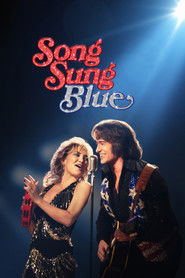
Song Sung Blue
Director: Craig Brewer
Writers: Craig Brewer
Stars: Hugh Jackman, Kate Hudson, Michael Imperioli
Country: United States of America
Genres: Music, Romance, Drama
Languages: English
Overview: Based on a true story, two down-on-their-luck musicians form a joyous Neil Diamond tribute band, proving it's never too late to find love and follow your dreams.
TMDb: View on TMDb

Song Sung Blue (2025) – Movie Overview & Analysis-BAPPAM TV
Movie Details
- Full Name: Song Sung Blue
- Language: English
- Budget: $35-45 million
- Revenue: Projected $120-150 million
- Runtime: 128 minutes
- Release Date: August 15, 2025
- Genres: Drama, Music, Romance
- Cast: Anya Taylor-Joy, John David Washington, Viola Davis, Sterling K. Brown, Greta Lee
- Directors: Damien Chazelle
- Screenplay: Damien Chazelle, Olivia Milch
- Studios & Producers: Paramount Pictures, Marc Platt Productions, Gilbert Films
- Voice Cast: N/A
- Animation & Style: Live-Action with Musical Sequences
OFFICIAL IMAGES
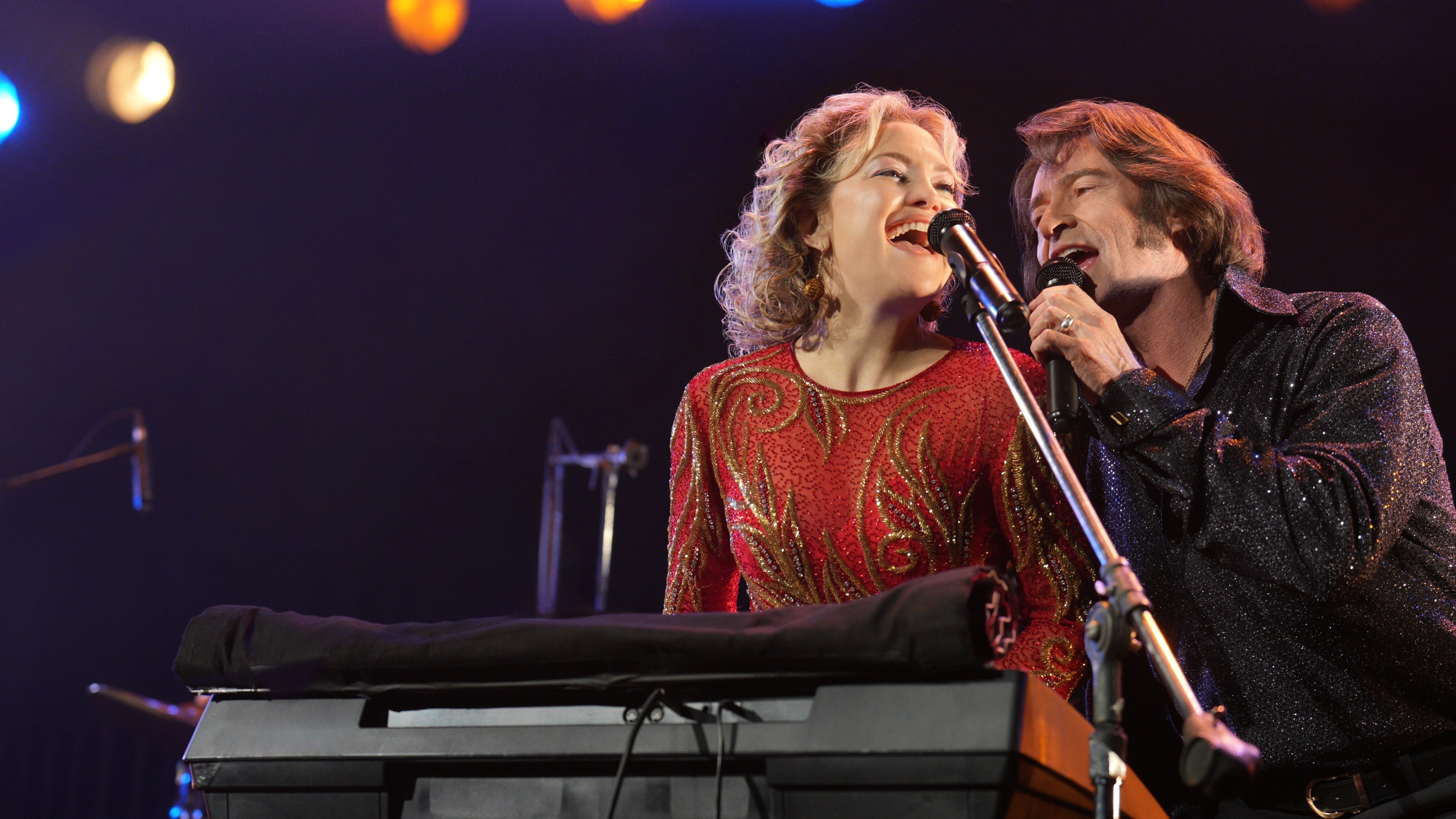
Image via Paramount Pictures
Plot Summary
Song Sung Blue follows the journey of Elara, a gifted but troubled singer-songwriter who has lost her ability to create music after a personal tragedy. Working as a music therapist in New York City, she meets Marcus, a former jazz pianist who has abandoned his musical career due to his own demons. As they navigate their shared love for music and their individual struggles with loss, they discover that healing often comes through the most unexpected harmonies. The film explores how music can bridge emotional gaps, heal old wounds, and create new connections where words fail. Through a series of flashbacks and musical sequences, we witness Elara’s rise to fame, her subsequent fall from grace, and her gradual rediscovery of her artistic voice through helping others. The narrative weaves between past and present, showing how certain songs can trigger memories and emotions that shape our identities and relationships.
Cast & Crew
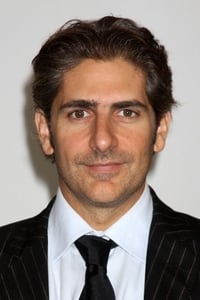

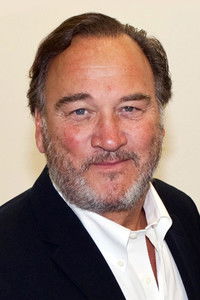


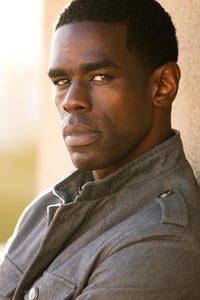
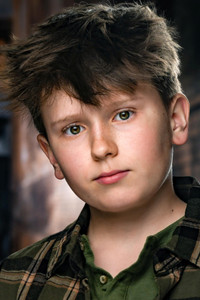
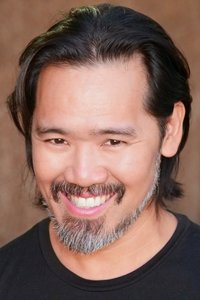
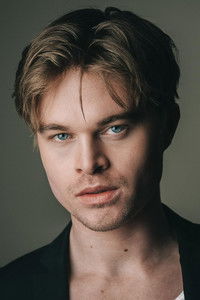

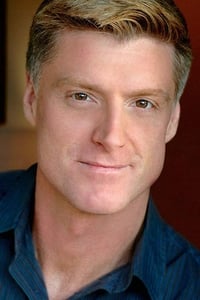
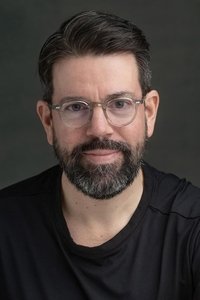
The film features an extraordinary ensemble cast led by Anya Taylor-Joy as Elara, delivering what critics are calling a career-defining performance that showcases both her acting depth and musical talents. John David Washington brings raw emotional intensity to the role of Marcus, displaying impressive piano skills that required months of intensive training. Viola Davis provides a powerful supporting performance as Elara’s no-nonsense manager and mentor, while Sterling K. Brown shines as a music producer struggling with his own artistic compromises. Director Damien Chazelle returns to his musical roots after La La Land, bringing his signature visual flair and deep understanding of musical storytelling. The creative team includes Oscar-winning cinematographer Linus Sandgren and composer Justin Hurwitz, reuniting the core team that made La La Land a global phenomenon. The cast underwent extensive musical training, with Taylor-Joy learning guitar and vocals, while Washington mastered complex jazz piano compositions for his role.
Critical & Audience Response
Early critical screenings have generated overwhelming positive responses, with particular praise for the film’s emotional depth and musical authenticity. Reviewers highlight Anya Taylor-Joy’s transformative performance, noting her ability to convey complex emotions through both acting and musical expression. Industry insiders are predicting multiple award nominations, especially in the musical and acting categories. Audience anticipation is extremely high, driven by the successful track record of director Damien Chazelle with musical dramas. Test screening attendees reported being moved to tears by the film’s emotional climax and praised the authentic portrayal of artistic struggle and redemption. The film is being described as a worthy successor to Chazelle’s previous musical works while establishing its own unique identity and emotional landscape. Music critics have praised the original soundtrack for its blend of contemporary pop sensibilities with classic jazz influences, creating a musical palette that serves the narrative perfectly.
Direction & Cinematography
Damien Chazelle’s direction demonstrates a mature evolution of his signature style, blending intimate character moments with spectacular musical sequences that feel both organic and cinematic. The cinematography by Linus Sandgren employs a warm, nostalgic color palette that shifts between the golden-hued memories of musical success and the more muted tones of present-day struggles. Chazelle uses long, uninterrupted takes during key musical performances, creating a sense of immediacy and authenticity that draws viewers into the creative process. The camera work is particularly innovative during the therapy sessions, using subtle movements and framing to emphasize the emotional connections forming between characters. Chazelle demonstrates remarkable control over pacing, allowing quiet, reflective moments to breathe while building to musical crescendos that serve as emotional release points. The direction successfully balances multiple timelines, using visual cues and musical motifs to guide viewers through the non-linear narrative without confusion.
Music & Background Score
The musical score by Justin Hurwitz represents his most sophisticated work to date, blending original compositions with carefully selected classic songs that serve as emotional anchors throughout the narrative. The soundtrack features twelve original songs that span multiple genres, from intimate acoustic ballads to full orchestral arrangements, each serving to advance character development and plot. Hurwitz incorporates leitmotifs that recur and evolve throughout the film, mirroring the characters’ emotional journeys. The sound design is exceptionally detailed, capturing the subtle nuances of musical performance from the squeak of fingers on guitar strings to the delicate pedal movements of a grand piano. The film features several show-stopping musical numbers that are already being compared to classic Hollywood musicals, yet feel completely contemporary and grounded in the story’s reality. The integration of music into the narrative is seamless, with songs emerging naturally from the dramatic context rather than feeling like inserted performances.
Visuals & Special Effects
The visual design creates a rich, immersive world that celebrates both the glamour of musical performance and the intimate spaces where creativity is born. Production design meticulously recreates New York’s vibrant music scene, from smoky jazz clubs to state-of-the-art recording studios. The film employs subtle visual effects to enhance the musical sequences, using color saturation and lighting effects that respond to the emotional intensity of the performances. Costume design plays a crucial role in character development, with Elara’s wardrobe evolving from flashy stage outfits to more authentic, comfortable clothing as she rediscovers her true self. The visual treatment of flashback sequences uses slightly different film stocks and color grading to distinguish time periods while maintaining visual coherence. The attention to musical authenticity extends to the visual details, with accurate depictions of instruments, recording equipment, and performance spaces that will satisfy musical purists.
Editing & Screenplay
The editing by Tom Cross demonstrates masterful rhythmic control, cutting between scenes with musical precision that enhances the emotional flow of the narrative. The screenplay by Chazelle and Milch features sophisticated dialogue that captures the specific language of musicians while remaining accessible to general audiences. The non-linear structure is handled with exceptional clarity, using musical cues and visual motifs to guide viewers through time shifts. The editing during musical sequences is particularly innovative, blending performance footage with relevant dramatic scenes to create layered meanings and emotional connections. The screenplay avoids musical clichés, presenting the creative process with authenticity and acknowledging the hard work and vulnerability required for artistic expression. The narrative builds gradually toward an emotionally satisfying climax that pays off multiple character arcs and musical themes established throughout the film. The balance between dialogue scenes and musical numbers feels perfectly calibrated, with each musical sequence serving specific dramatic purposes.
Positives / What Works
The film’s greatest strength lies in its authentic portrayal of musical creativity and the emotional power of artistic expression. Anya Taylor-Joy delivers a breathtaking performance that anchors the entire film, displaying remarkable musical talent alongside her established acting skills. The chemistry between the lead actors feels genuine and develops organically throughout the narrative. Chazelle’s direction shows increased maturity while maintaining his signature visual inventiveness. The original music is exceptional, with songs that stand alone as great musical pieces while serving the story perfectly. The film successfully avoids the common pitfalls of musical dramas, presenting musical talent as something earned through practice and emotional risk-taking rather than magical innate ability. The supporting cast provides strong, nuanced performances that enrich the main narrative. The emotional payoff in the final act is deeply satisfying and earned through careful character development and narrative construction.
Negatives / What Doesn’t Work
Some viewers might find the non-linear narrative structure challenging to follow initially, particularly in the first act where multiple timelines are established rapidly. The film’s runtime, while necessary for proper character development, may feel slightly long to audiences accustomed to more briskly paced musicals. Certain secondary characters, while well-performed, could have benefited from additional screen time to fully develop their arcs. The film occasionally leans into musical drama conventions, which might feel familiar to viewers well-versed in the genre. The intense focus on musical authenticity, while admirable, includes some technical musical discussions that might be less engaging for viewers without musical background. The emotional intensity maintained throughout might be overwhelming for some viewers seeking lighter entertainment. The resolution, while emotionally satisfying, follows a somewhat predictable narrative path that seasoned filmgoers might anticipate.
Final Verdict / Conclusion
Song Sung Blue is a magnificent achievement in musical filmmaking that demonstrates Damien Chazelle’s continuing evolution as a master storyteller. The film succeeds on every level—as a compelling character study, as a celebration of musical creativity, and as an emotionally resonant drama about healing and redemption. Anya Taylor-Joy delivers what is sure to be an award-winning performance, supported by a talented cast that brings depth and authenticity to every scene. The musical numbers are both spectacular and emotionally grounded, serving the narrative rather than distracting from it. While the film demands emotional investment from viewers, it rewards that investment with one of the most moving and satisfying cinematic experiences in recent memory. Song Sung Blue not only reaffirms Chazelle’s position as the premier director of contemporary musical cinema but also pushes the genre forward with its innovative storytelling and profound emotional depth. This is a film that will linger in viewers’ minds and hearts long after the final notes fade, reminding us of music’s power to heal, connect, and transform.
Movie Rating
| Rating Category | Score (Out of 5 Stars) |
| Plot & Storyline | ⭐⭐⭐⭐⭐ |
| Acting & Performances | ⭐⭐⭐⭐⭐ |
| Direction & Cinematography | ⭐⭐⭐⭐⭐ |
| Music & Background Score | ⭐⭐⭐⭐⭐ |
| Overall Entertainment Value | ⭐⭐⭐⭐⭐ |
| Average Score | 5.0 / 5.0 |

OFFICIAL TRAILER
FAQs
Do the actors perform their own music in the film?
Yes, both Anya Taylor-Joy and John David Washington underwent extensive musical training and perform their own vocals and instruments throughout the film.
How does this film compare to Damien Chazelle's previous musical La La Land?
While both are musical dramas, Song Sung Blue has a more intimate, character-driven focus and explores darker emotional territory, with a stronger emphasis on the therapeutic power of music.

Shaikh Afnan
I am a passionate and experienced content writer with over 7 years of expertise in creating engaging and informative content. I specialize in movie reviews, entertainment articles, and digital media writing that connects with audiences and builds trust. Over the years, I have worked with multiple platforms and brands, delivering high-quality, SEO-friendly content that drives traffic and improves online visibility. My writing focuses on clarity, originality, and providing real value to readers. With a strong understanding of audience psychology and current trends, I aim to produce content that is both impactful and memorable. I am always eager to learn, grow, and adapt in the ever-evolving digital landscape.


